US Treasury bought yen in July; Fed made no solo FX interventions in Q3
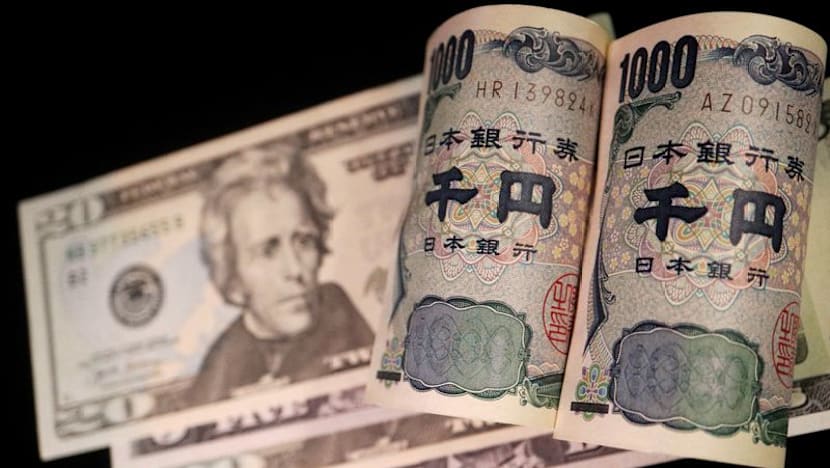
Nov 12 : The US Treasury bought Japanese yen in the July-to-September quarter, but the Federal Reserve did not intervene on its own in foreign exchange markets in the same period, the Federal Reserve Bank of New York said on Thursday.
The New York Fed's quarterly report on currency market operations detailed interventions executed on behalf of the Treasury this summer to stem a sharp weakening of the yen.
The purchase was the first US yen-buying intervention since 1998, and the report shows Washington acted alongside Tokyo to support the Japanese currency.
On July 30, press reports emerged that the New York Fed had requested "rate checks" on the dollar-yen rate. The New York Fed report said the checks were made "solely on behalf of the US Treasury," with the New York Fed acting as the government's fiscal agent. The yen rose 2.3 per cent against the dollar that day.
A Reuters photograph taken during a cabinet meeting at Camp David on July 31 showed a "to-do" list in which Treasury Secretary Scott Bessent appeared to be weighing US purchases of $5 billion to $10 billion worth of Japanese yen.
The New York Fed said it bought 79.4 billion yen ($497.37 million) in the spot market on July 31, selling euros from the Exchange Stabilization Fund.
The New York Fed made the purchase "to counter what the US Treasury viewed as disorderly moves in the Japanese yen," its report said.
Japan's Ministry of Finance acted in coordination, intervening "in the amount of 15.4 trillion yen" during the quarter to counter what it saw as excessive volatility and disorderly yen moves, the New York Fed added.
Bessent said on August 2 that the US "will not hesitate to participate in further joint intervention," while repeating calls for further interest rate hikes by the Bank of Japan.
The yen recovered quickly. Between July 30 and August 3, the dollar-yen rate fell "from around 164 yen per dollar to around 155 yen per dollar," the report said.
The yen has since weakened. Japan's top currency diplomat, Atsushi Mimura, warned on Thursday that it was "too early to forget" this summer's intervention as the yen moved back toward 160 per dollar, its weakest level since September.
Analysts at Mizuho Securities flagged the risk of Japanese intervention, saying the dollar was likely to keep rising against the yen, supported by resilience in the US economy and persistently high inflation driven by strong AI investment.
Some Bank of Japan policymakers called in October for speeding up rate hikes, arguing that underlying inflation has reached the central bank's 2 per cent target. Their remarks strengthen the case for near-term tightening.
A majority of economists in a Reuters poll expect the BOJ to raise its policy rate to 1.5 per cent in December, extending the faster pace after increases in June and September.
KioskNews shows a cleaned-up reading view extracted from the publisher’s page — the original always lives on their site, not ours.