Hidden clues could help predict a woman’s breast cancer risk years in advance
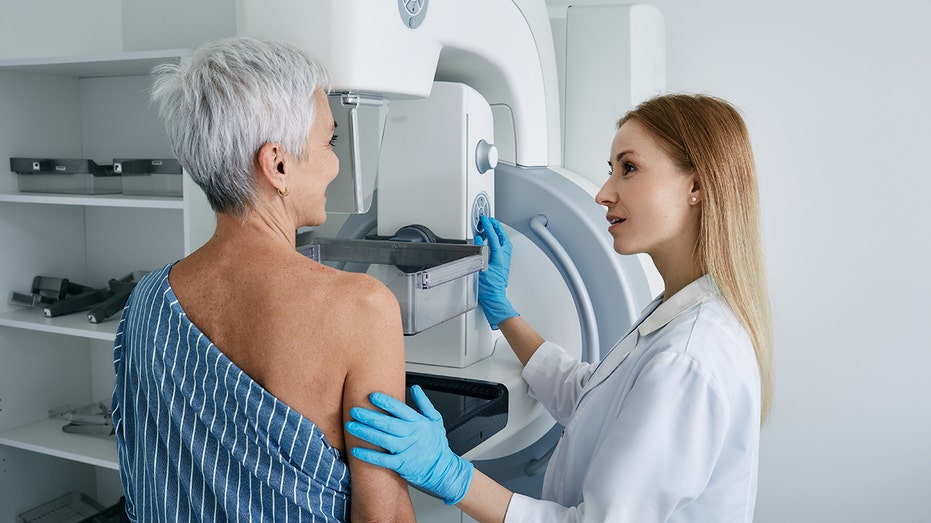
AI transforms breast cancer screening, aiding early detection
AI technology is transforming breast cancer screening by assisting doctors in identifying women at higher risk years before cancer develops. Mount Sinai's Breast Surgery Director and author of 'The Breast Advice' Dr. Elisa Port highlights how AI uncovers hidden tumors and slashes false positive results, especially for women with dense breasts. This advancement aims to increase screening adherence among the 30-40% who currently don't get regular mammograms.
NEWYou can now listen to Fox News articles!
An artificial intelligence (AI) tool could help doctors predict a woman's risk of developing breast cancer years in advance, according to new research.
In a new study, published in the American Journal of Roentgenology, researchers at NYU Langone Health and its Perlmutter Cancer Center tested an AI model designed to estimate a woman's risk of developing breast cancer within five years.
The tool looks at several years of a woman's 3D mammograms to track changes in breast tissue over time, rather than looking only at the latest scan, according to the researchers.
NEW ALZHEIMER'S BLOOD TEST PREDICTS WHO IS LIKELY TO DEVELOP DEMENTIA IN 5 TO 10 YEARS
The model was developed using more than 313,000 mammograms from more than 161,000 women, according to the study.
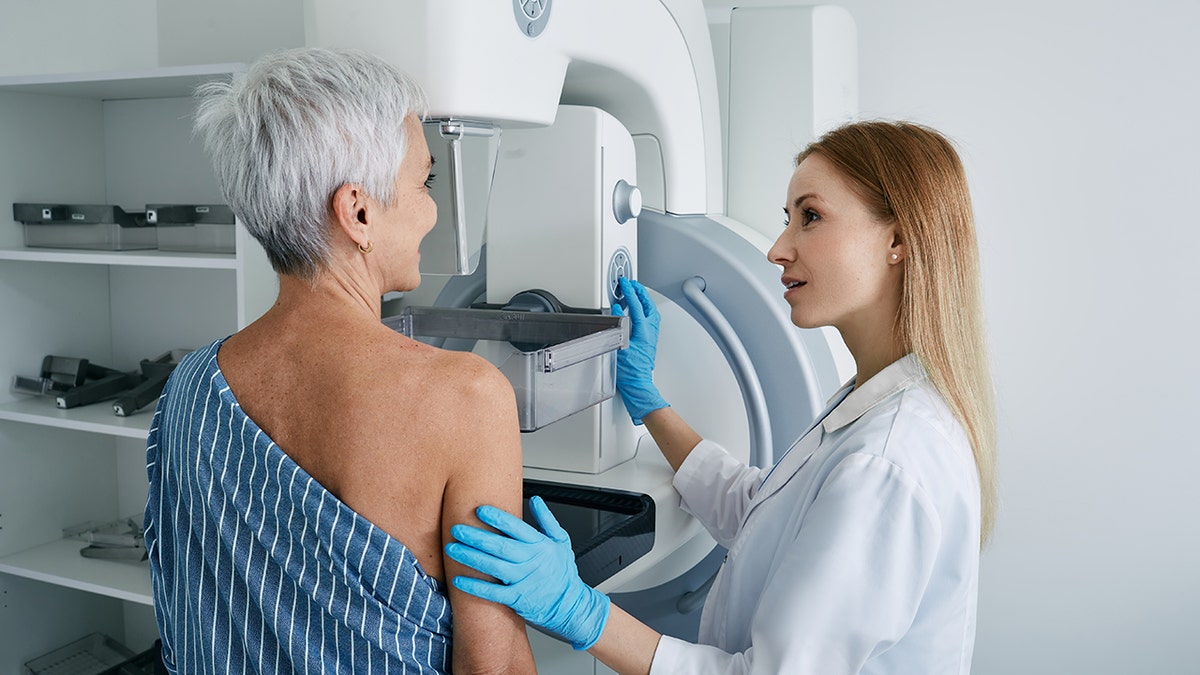
An artificial intelligence (AI) tool could help doctors predict a woman's risk of developing breast cancer years in advance. (iStock)
Connie Lehman, a Massachusetts-based breast imaging specialist and professor of radiology at Harvard Medical School who was not involved in the study, told Fox News Digital that AI could help identify women whose increased risk might otherwise go unnoticed.
"For decades, as a doctor and breast imaging specialist, I have cared for women who were shocked by a breast cancer diagnosis," Lehman said. "Again and again, I heard: 'How can this be? No one in my family has had breast cancer.'"
CLICK HERE TO SIGN UP FOR OUR LIFESTYLE NEWSLETTER
Traditional risk assessments can consider factors such as family history and genetic mutations, while AI can look for additional clues within a woman's breast tissue, according to Lehman.
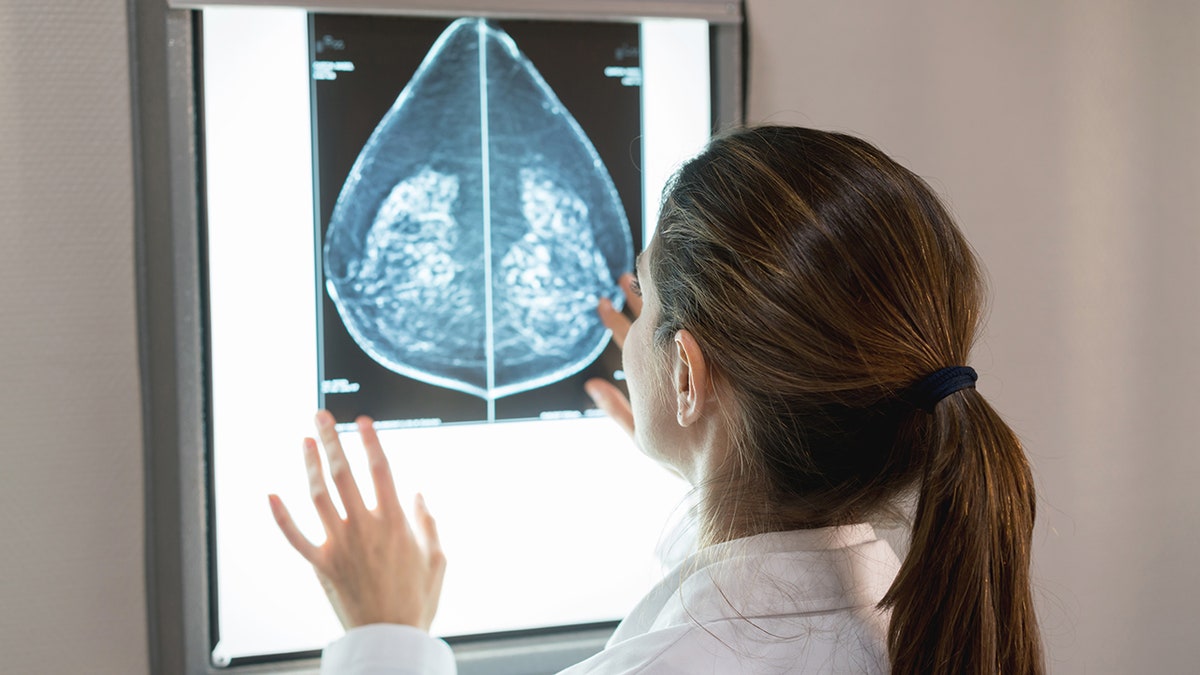
The tool looks at several years of a woman's 3D mammograms to track changes in breast tissue over time. (iStock)
"A mammogram can tell us more than whether cancer is visible today — it can also provide information about a woman's risk of developing cancer in the years ahead," she said.
That information could eventually help doctors tailor breast cancer screening to a woman's individual risk, Lehman said.
CLICK HERE FOR MORE LIFESTYLE STORIES
Women identified as being at increased risk could discuss additional screening, such as MRI, with their health care providers, while women at average risk may continue with routine mammograms, according to Lehman.
The technology could also analyze mammograms a woman has already had, meaning the added risk information would not require another imaging exam or additional radiation, she noted.
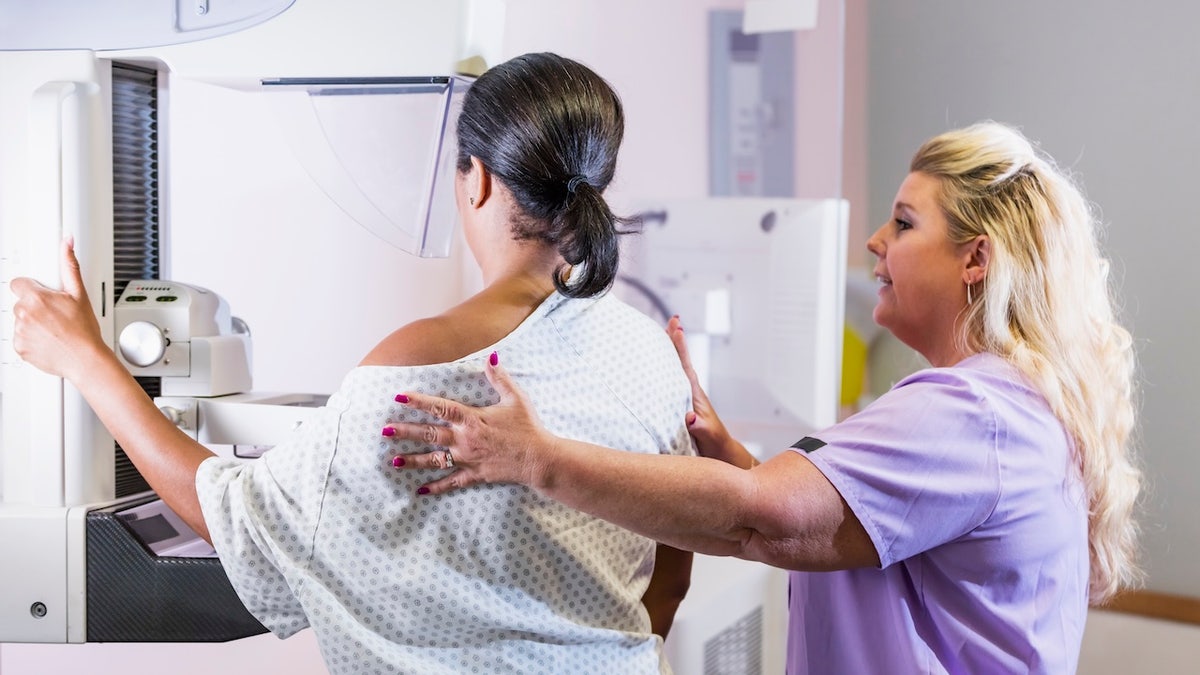
Traditional risk assessments can consider factors such as family history and genetic mutations, while AI can look for additional clues in a woman's breast tissue, experts say. (iStock)
Lehman cautioned that an AI risk score is not a cancer diagnosis and cannot predict with certainty whether a woman will develop the disease.
"A higher score can prompt a conversation with your health care provider about additional screening and risk-reduction options," she said. "A lower score does not eliminate risk or replace regular mammography."
TEST YOURSELF WITH OUR LATEST LIFESTYLE QUIZ
The NYU model remains a research tool and is not FDA-authorized for clinical use, according to Lehman.
The researchers also noted that more testing is needed. The study used mammograms from NYU Langone hospitals and imaging equipment from one manufacturer.
CLICK HERE TO DOWNLOAD THE FOX NEWS APP
The team plans to test the model using data from other medical centers and different 3D mammography systems, according to NYU Langone.
Fox News Digital reached out to the researchers for comment.
Kelly McGreal is a production assistant with the lifestyle team at Fox News Digital.
KioskNews shows a cleaned-up reading view extracted from the publisher’s page — the original always lives on their site, not ours.