Satellite hacking poses growing global threat as cyber defenses weaken, Israeli official warns
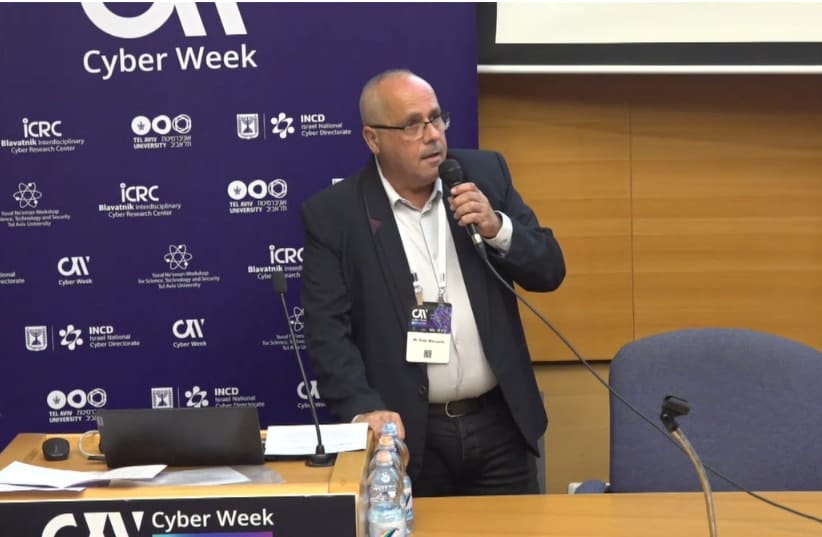
An Israeli cyber official warns that rising satellite attacks could disrupt global communications, aviation and shipping as space networks expand rapidly.
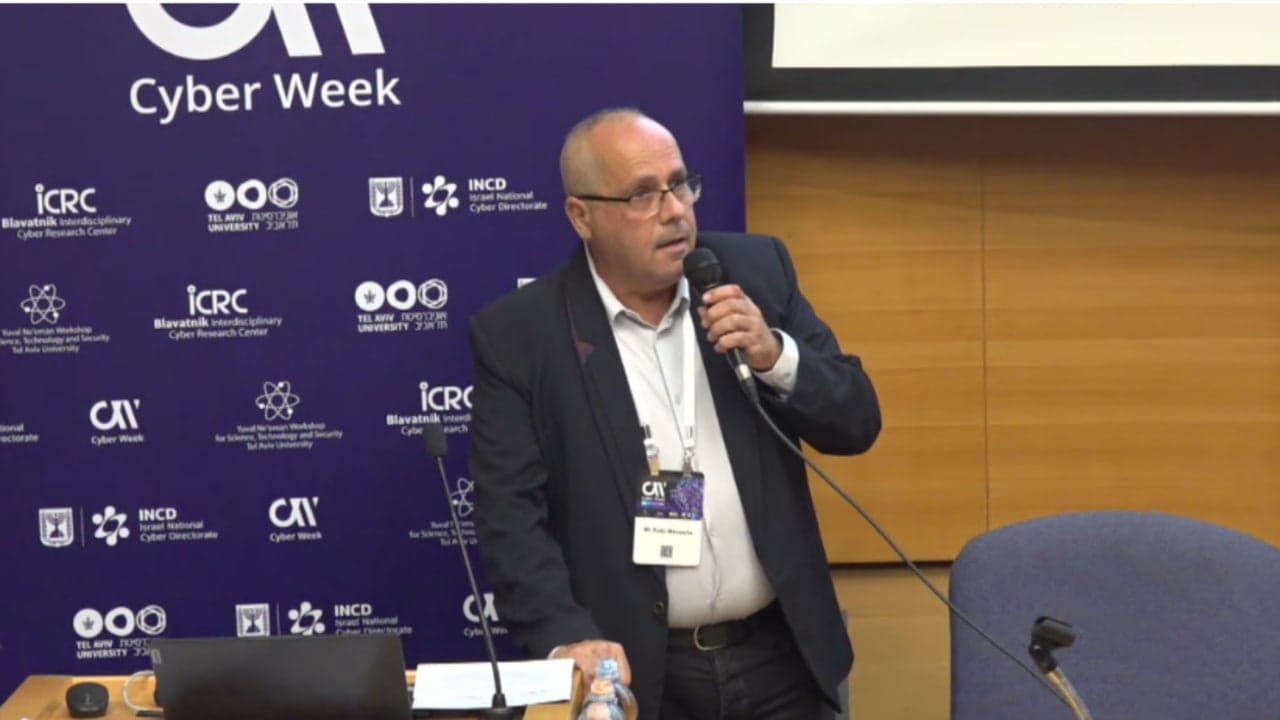
Cyber attacks on space-related assets have spiked in recent years, and the harm they can cause has grown substantially, Israel National Cyber Directorate Director of Guidance and Spectrum Defense Kobi Menashe said on Monday.
Speaking at the Cyber Week Conference at Tel Aviv University, Menashe described an "invisible" cyber war in space, far beyond the eyes of the general public, and with them often not even knowing afterward that some inconvenience they experienced stemmed from a hack in space.
In 2022, Russia carried out the Viasat hack against the satellite internet system of American communications company Viasat, which eventually affected Ukraine's communications network nationwide, as well as some other European countries like Germany.
Since then, such space hacks have only increased, at the same time that the number of satellites in space continues to jump, said Menashe.
Further, he pointed out that the higher volume of space machinery has lowered the standard of cyber defense security, such that there are both more targets to hack and hacking them is easier than it was before.

In addition, he stated that current satellites tend to communicate and connect with a wide number of other space satellites and nodes, as opposed to one ground station on the Earth's surface, the way satellite networks used to work.
This means that if even one satellite in a network is hacked, that many more satellites and space nodes can also easily be hacked, causing far more damage at a rapid speed.
Space hacks come in different ways
Menashe said that there are a number of different ways that space hacks can present themselves, from eavesdropping to spooling (where data is temporarily held in a storage area) and replaying (running and stalling data in a loop), to jamming or location spoofing, to protocol exploitation, which can involve abusing the space link communications with problematic commands.
There are also more space-related autonomous operations with less real-time human validation for as long as 48 hours, which allows hacking for longer periods without a real opportunity to even be aware of the cyber attack.
Such space hacks can affect national communications, as well as cars, aircraft, sea vessels, and a wide range of other operations. 1,100 maritime vessels lost maneuvering ability during the early 2026 Iran war.
KioskNews shows a cleaned-up reading view extracted from the publisher’s page — the original always lives on their site, not ours.