In Search Of The New Agatha Christie: 5 Overrated Crime & Mystery Books, & The New Authors To Read Instead

Agatha Christie. Dashiell Hammett. Raymond Chandler. The Silence of the Lambs. No Country For Old Men. L.A. Confidential. Go looking for book recommendations in the crime/mystery genre and the same authors, the same titles, are going to pop up over and over again. This list is for readers looking for novels that are just as essential to the genre, but don't have the same dominant reputations.
Especially now, in the era of the algorithm, it is hard to get into crime fiction without being steered toward the same half-dozen or so books. Collected here are some examples of crime authors whose work takes a bit more of a detective's eye to uncover, even though their names should be illuminated in neon as part of the pantheon of must-read mystery writers.
One thing we have to stress before getting started: this list isn't arguing that you shouldn't read the "overrated" or "over-recommended" books. They are all classics of crime fiction. However, there is a case to be made that readers shouldn't start with these books, but perhaps work their way up to them instead.
Or, if you find yourself trying one of the so-called GOATs of the genre, but unable to get into it, don't let that be a barrier to reading more mysteries and crime thrillers. Because there are always other readers and characters to explore instead.
James Ellroy's L.A. Quartet (Including L.A. Confidential)

This is a four-for-one special. James Ellroy is best known for his "L.A. Quartet" series of novels, and in particular, for L.A. Confidential, the third entry in the Quartet. Everything that can be said about the series as a whole, and Ellroy in general, can be said about L.A. Confidential.
Which is that the novel sets the gold-standard for literary crime fiction, but it can be as challenging as it is captivating. That's true of the writing style, as well as the story. L.A. Confidential and the rest of the Quartet are period pieces, set in 1940s-50s Los Angeles. Ellroy's vision of a bygone City of Angels will enthrall some modern readers, but strike plenty of others as abrasive.
Are Ellroy's books, especially Confidential, skippable? Not for crime fiction completists. Are they the most entertaining examples of the genre? Not exactly. For readers looking for a more accessible L.A. mystery series...
Try Reading Gary Phillips' Ivan Monk Series


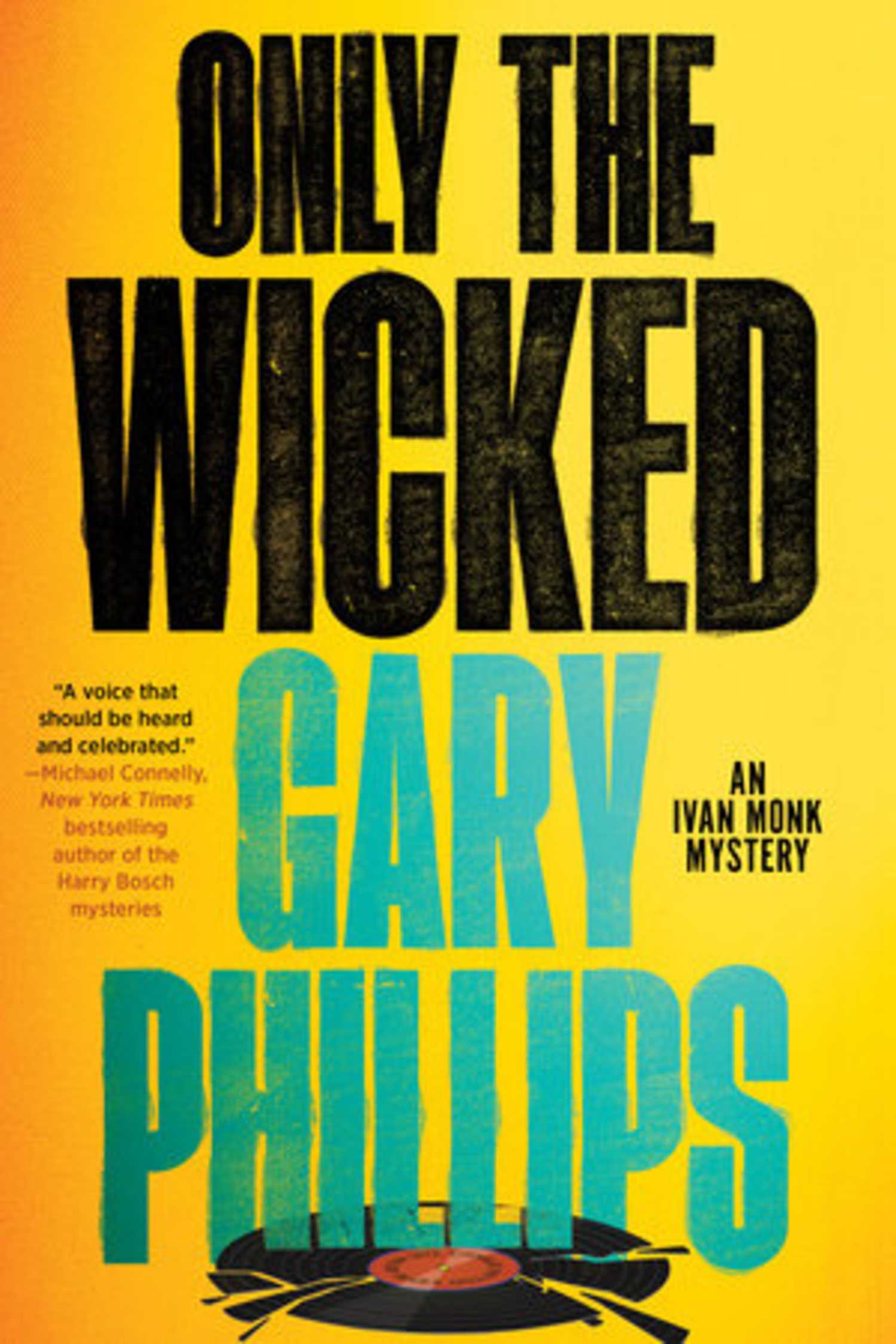
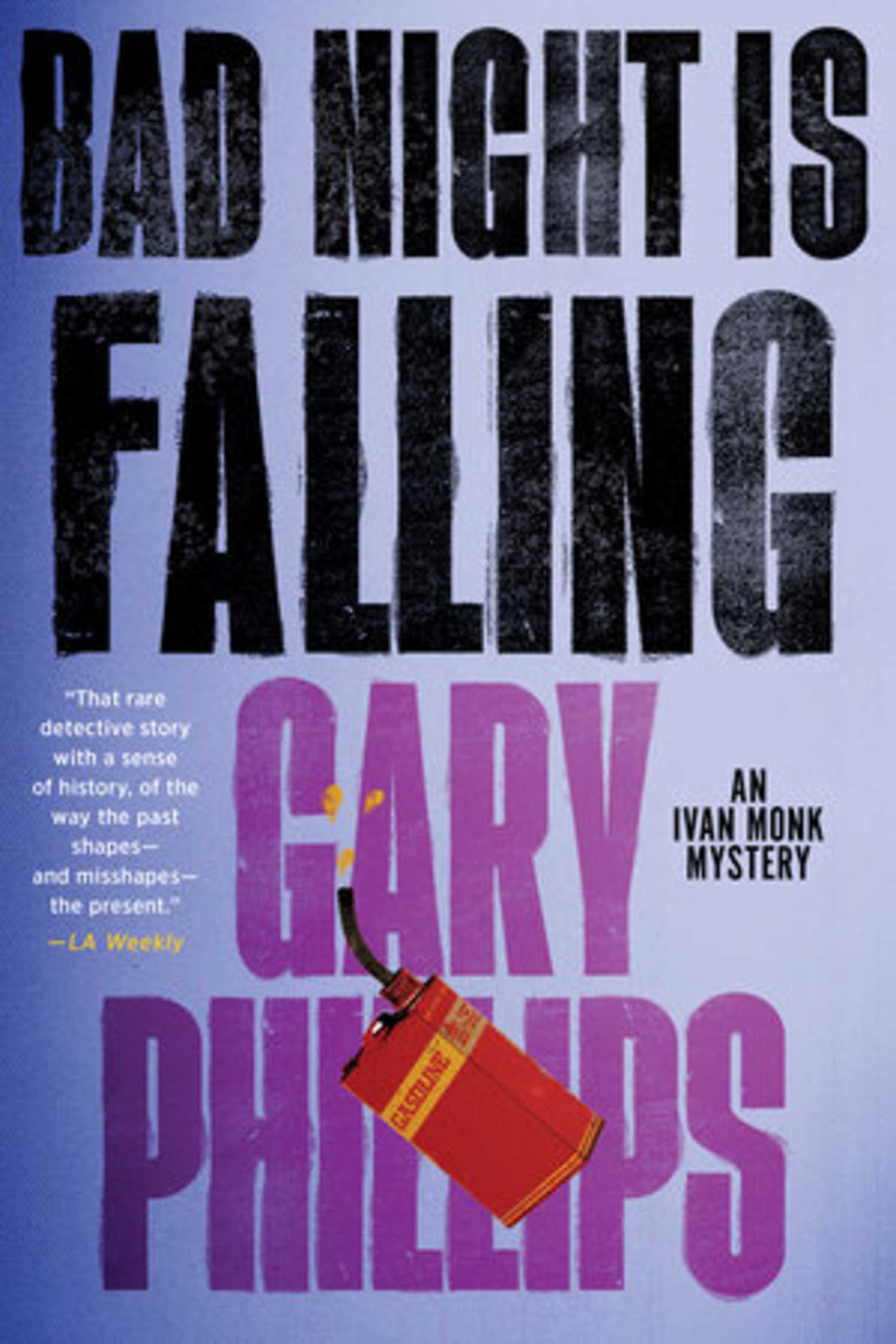
Like James Ellroy's "L.A. Quartet," Gary Phillips' Ivan Monk mystery series spans four novels. (There is also an addendum short story collection, Monkology, featuring over a dozen bonus stories starring the private detective protagonist.) Like Ellroy's, Phillips' work is full of big ideas, social commentary, thrilling action sequences, and propulsive procedural investigations. Except Phillips' Ivan Monk books are by far much more readable, more enjoyable.
And unlike the "L.A. Quartet," the Monk novels were contemporary at the time of their release in the 1990s. The first installment, Violent Spring, reckons with the ongoing consequences of the '92 L.A. In Perdition, USA, Monk, a black detective, investigates a series of murders that lead to a white supremacist organization. The racial history of L.A. plays a critical role in Bad Night is Falling, book three, and Only the Wicked, the final book in the series.
For readers today, the Ivan Monk novels are a window into the past, capturing a realistic snapshot of L.A. in the '90s. For that reason alone, they are worth checking out, but on top of that author Gary Phillips delivers grade-A mystery fiction.
Dennis Lehane's Mystic River
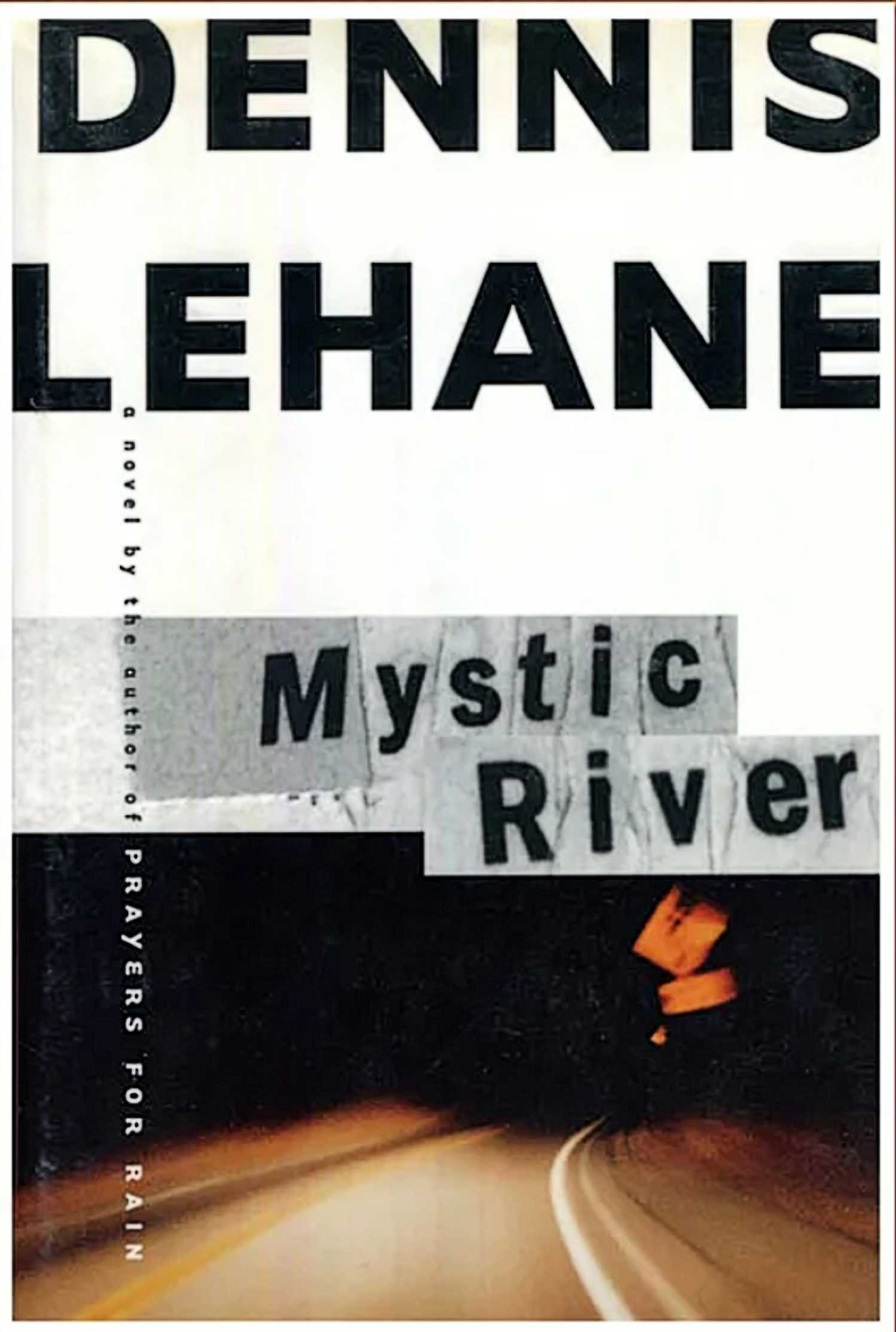
Dennis Lehane's Mystic River was an award-winner and bestseller at the time of its 2001 release, and it was quickly adapted into an Oscar-winning movie by director Clint Eastwood in 2003. It is generally accepted as a modern crime fiction masterpiece, and we're not here to challenge that.
Fair warning, though, that it is a hard read. Not in terms of prose, like James Ellroy's books, but in terms of content. The inciting incident of the book is the kidnapping and sexual assault of a child. Lehane doesn't graphically depict the incident, but the trauma of the victim, his friends, and everyone in the orbit of the crime is the engine that drives Mystic River the rest of the way.
Mystic River is at the top of most 21st-century crime fiction recommendation lists, but there are other Dennis Lehane novels readers might want to check out first, particularly his "Kenzie & Gennaro" series, which includes Gone, Baby, Gone. Those stories are still heavy, but a little more digestible than Mystic River. And since Lehane went on to write for The Wire after the success of Mystic River, readers would also be wise to check out the work of one of his colleagues and...
Try Reading George Pelecanos

George Pelecanos was one of The Wire's most instrumental behind-the-scenes players. He later co-created The Deuce, one of the best HBO shows of the 2010s, with Wire creator David Simon, and wrote some of that show's best episodes as well. Well before his TV career, Pelecanos had established himself as a crime fiction expert with his novels, and he continues to be prolific on the page to this day.
Pelecanos is known for his "Nick Stefanos Trilogy," and his "D.C. Quartet," so-named because Pelecanos was declared the East Coast equivalent of James Ellroy. (But like Gary Phillips, much more readable.) He has over a dozen novels to his credit beyond that, plus several short story collections, and almost all of it is in the crime and mystery genre.
Pelecanos writes the kind of crime novels you can read in a day, perfectly plotted and paced capsules of crime writing that will keep readers hooked until they have read his entire output.
Raymond Chandler's The Big Sleep

What is there to say about The Big Sleep that hasn't already been said? Raymond Chandler's 1939 novel introduced his detective character Philip Marlowe. It was written in, and depicts, the Los Angeles that James Ellroy would later feverishly re-create in his work. The Big Sleep is one of the undisputed tent poles of the modern mystery genre.
Like Agatha Christie did with her mystery novels, Chandler set the blueprint for most subsequent detective fiction with The Big Sleep. To this day, countless mystery authors still follow the book's formula, hewing to its structure and trying to repeat its thrills with a modern sensibility. (To varying degrees of success.)
And like Christie, Chandler still has name recognition as a genre titan. Their contributions to crime fiction are legitimate, and spectacular, but in a way, they have become figureheads, representative of an entire pioneering era in genre history. If you want to read one of their contemporaries who was just as foundational to the genre, but doesn't get talked about enough anymore...
Try Reading Ngaio Marsh

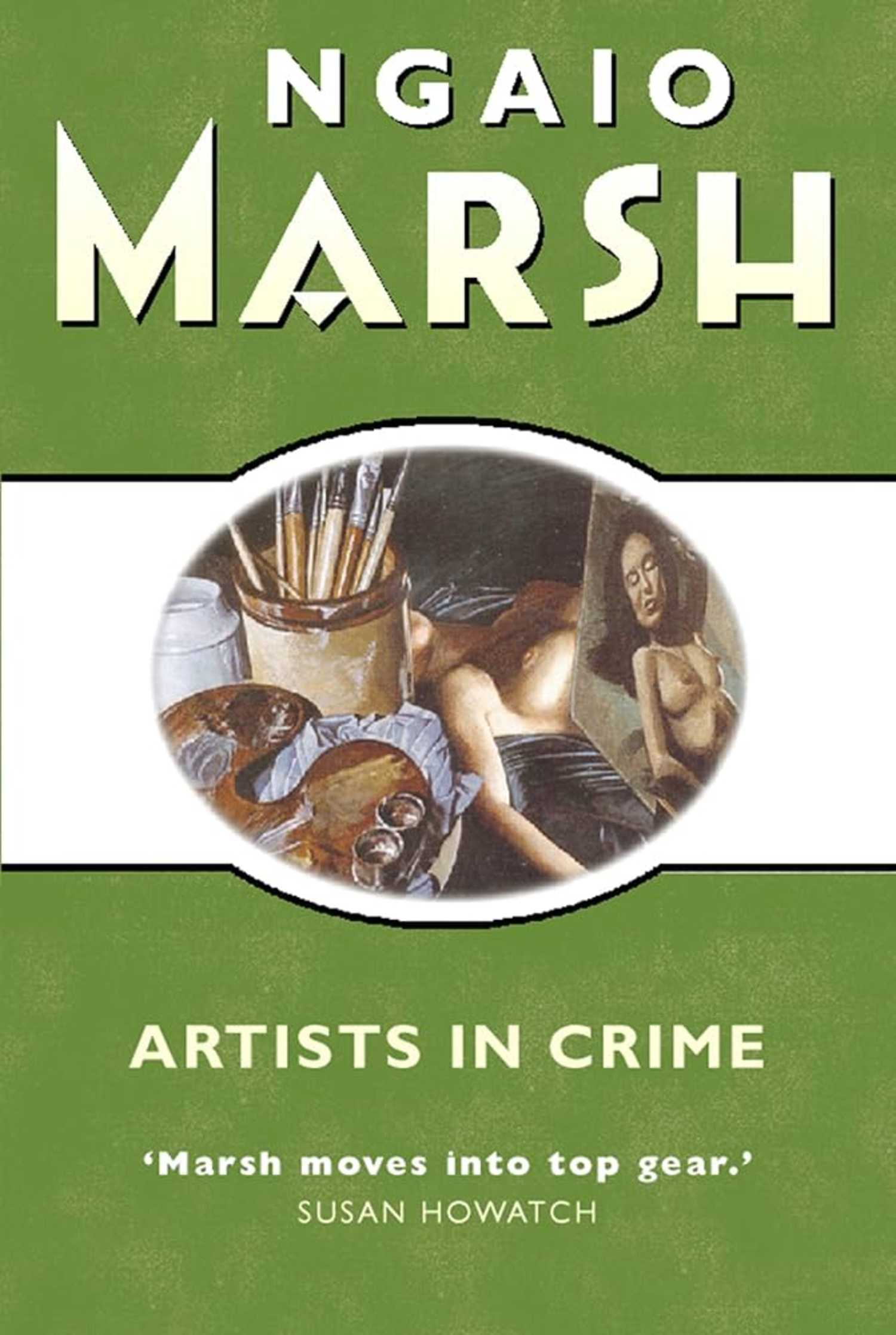
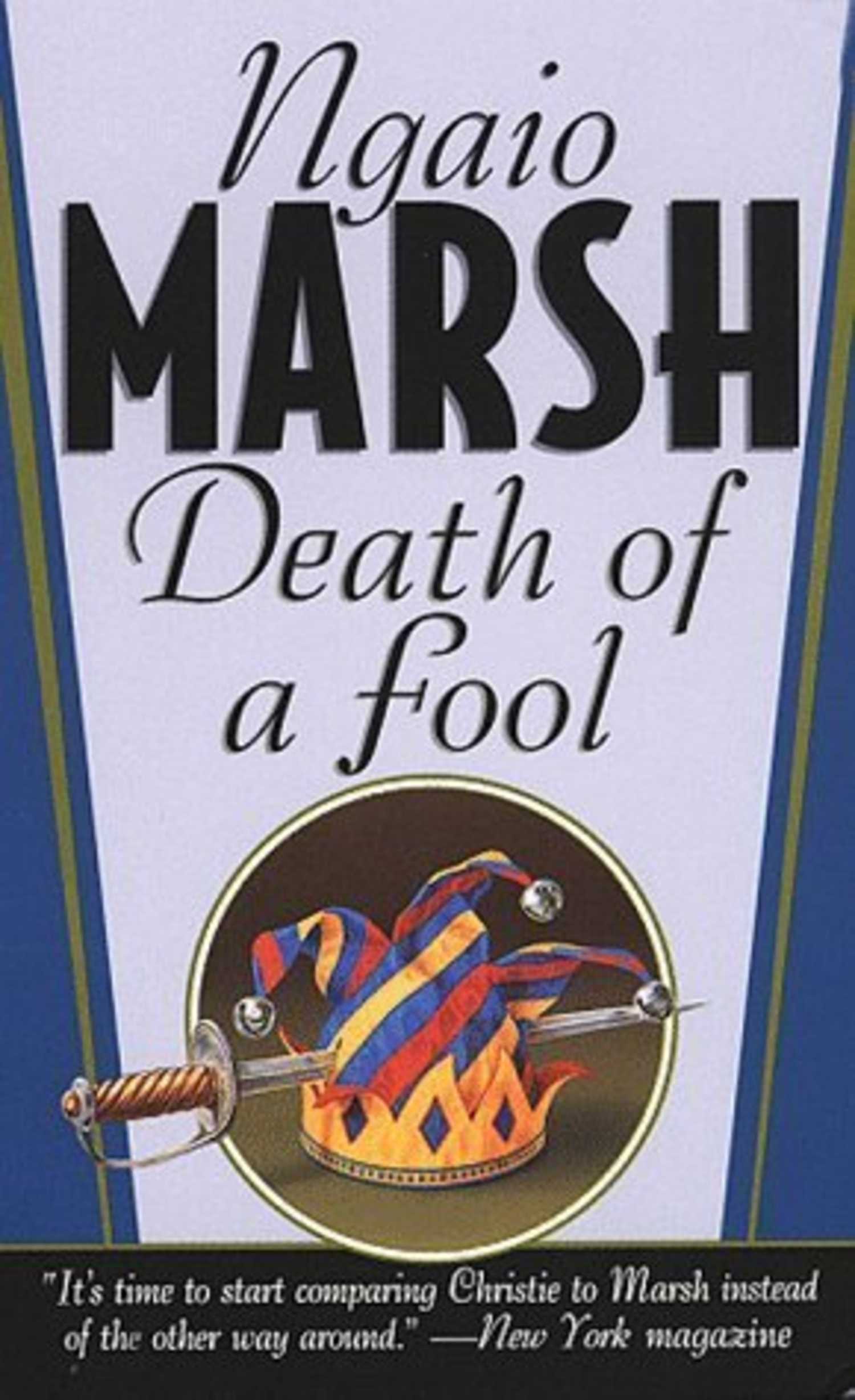
Dame Edith Ngaio Marsh was a New Zealand-born author best known for her character Inspector Roderick Alleyn, who appeared in 30+ novels written between 1934 and 1982. (For an idea of her impact on the genre, New Zealand's best crime fiction every year is still awarded the Ngaio Marsh award.)
Marsh was hailed as one of the "Queens of Crime," alongside Agatha Christie and several other women who wrote gamechanging early 20th-century crime fiction. Starting with A Man Lay Dead and ending with Light Thickens, the Roderick Alleyn series is a treasure trove of classic mystery writing, just as formative as that of their author's contemporaries.
The Alleyn books are largely flawless, hermetic mystery stories that offer a masterclass in form and style. For readers looking to deep dive into the history of crime fiction, Ngaio Marsh is essential reading.
Elmore Leonard's Get Shorty

Elmore Leonard is a reverential figure in American literature, and for good reason. He's one of the best to ever do it, and there's nothing quite like his style. His books are funny at the same time that they are full of tension. His prose is sparse, and his plots are simple, but his novels are never lacking depth or impact.
Get Shorty is the perfect example. To put it in a subcategory of crime fiction, it is a "caper" novel. As much as a story with a body count can be, Get Shorty is a lighthearted romp. It is also a Hollywood satire, but with a light touch. Another way to put it: Elmore Leonard books, Get Shorty included, aren't lacking in grit, but they are absent grime.
And grime is often what readers come to crime fiction for. This is sort of the reverse of the situation with Mystic River. Where that book might be too heavy for some, Get Shorty might be too light. It is set in Los Angeles, but unlike L.A. Confidential or the Ivan Monk books, it isn't about Los Angeles. For readers looking for L.A. as more than a backdrop, for a contemporary novelist who digs into the grime and the muck beneath the city's glossy surface...
Try Reading Jordan Harper

Jordan Harper is a TV writer and novelist, who has increasingly carved out a reputation for himself as one of the leading voices in neo-noir crime fiction today. His early novels, including She Rides Shotgun and The Last King of California, are solid reads, but his career took a great leap forward with 2023's Everybody Knows, a modern masterpiece about a "black bag" publicist and an ex-corrupt cop seeking redemption.
Harper's follow-up to Everybody Knows, A Violent Masterpiece, is one of the best novels of 2026. Propulsive is an understatement when it comes to both books, but their real selling point isn't how fast their stories move, it is how searing Harper's satire of Hollywood is. The books are full of grimey, depraved people, who are obsessed with being obsessed with the masses, and happy to abuse the power that affords them.

A crucial part of Jordan Harper's success with Everybody Knows and A Violent Masterpiece is how he integrates modern technology into his mystery plot, a make-or-break aspect of the genre today that many writers struggle with.
Scott Turow's Presumed Innocent
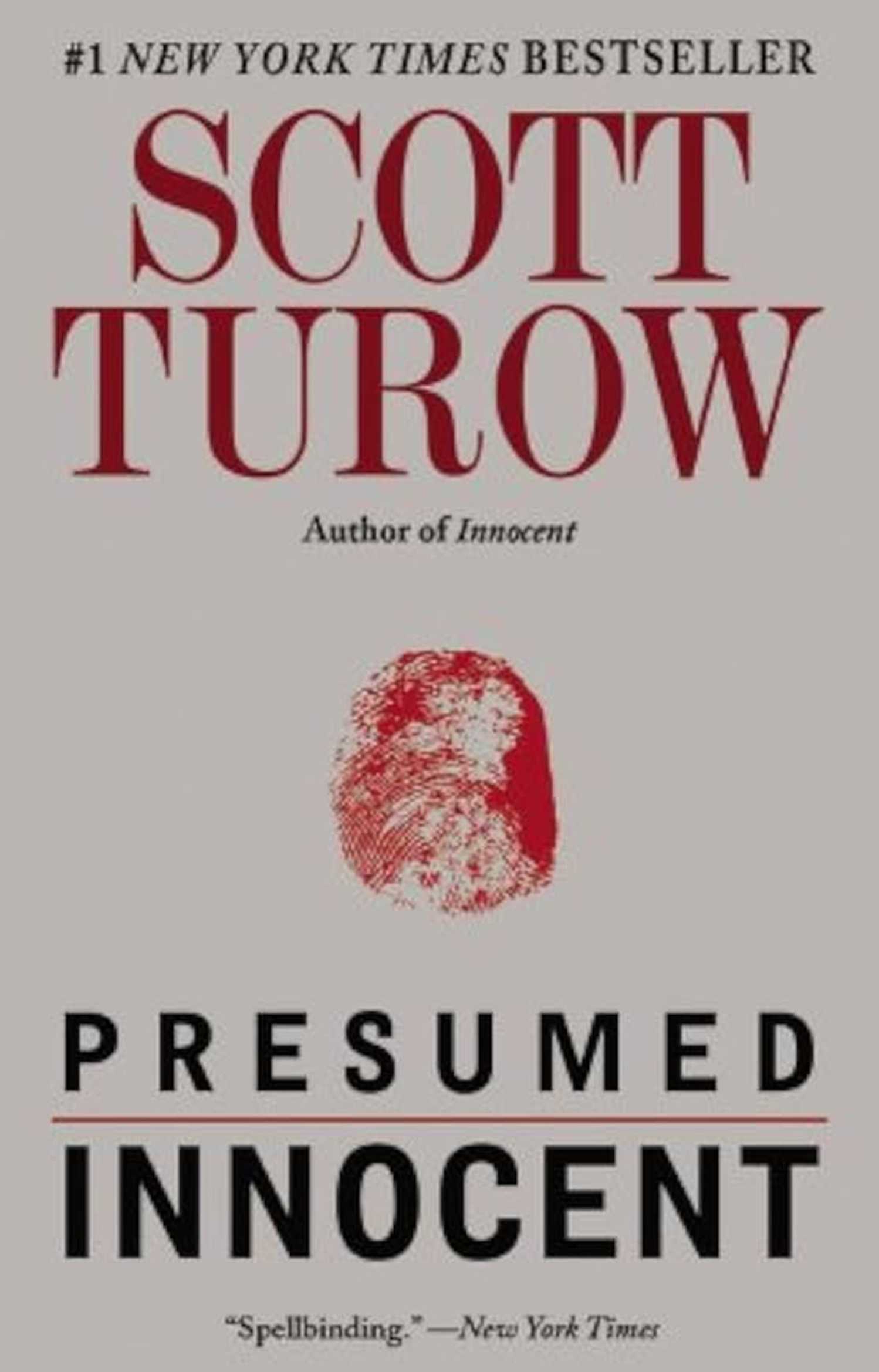
Scott Turow's debut novel, Presumed Innocent, propelled him to a career that spans 14 novels and counting. Turow is invariably one of the names that dominates the conversation when it comes to legal thrillers, right up there with John Grisham. Presumed Innocent, in particular, is propelled by a remarkable narrative trick.
That is, its first-person narrator is also the lead suspect in the grisly murder at the center of the book. Turow expertly plays with the uncertainty of the narrator's potential guilt right up until the very end of the book. It is a tightrope act, and it leads to an extremely rewarding twist ending for readers who go in unspoiled.
Which is increasingly difficult for readers today. Presumed Innocent was adapted into a Harrison Ford movie in the '90s and recently re-done as a TV show. (Albeit with a slightly altered take on the twist.) The book's best surprises might have had their impact impeded by the book's cultural reputation. So, for anyone looking for a legal drama series full of twists and turns...
Try Reading Michael Nava

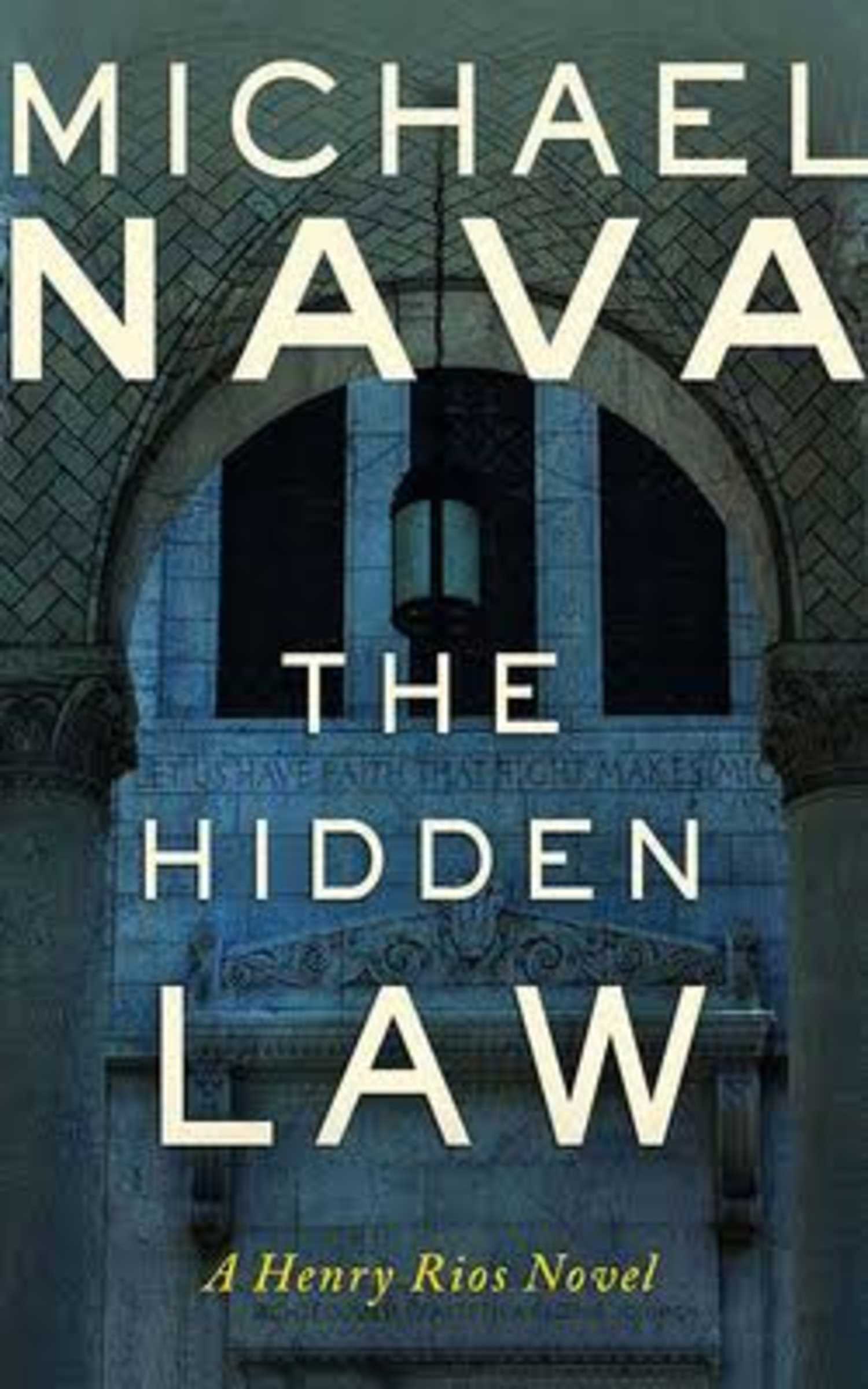
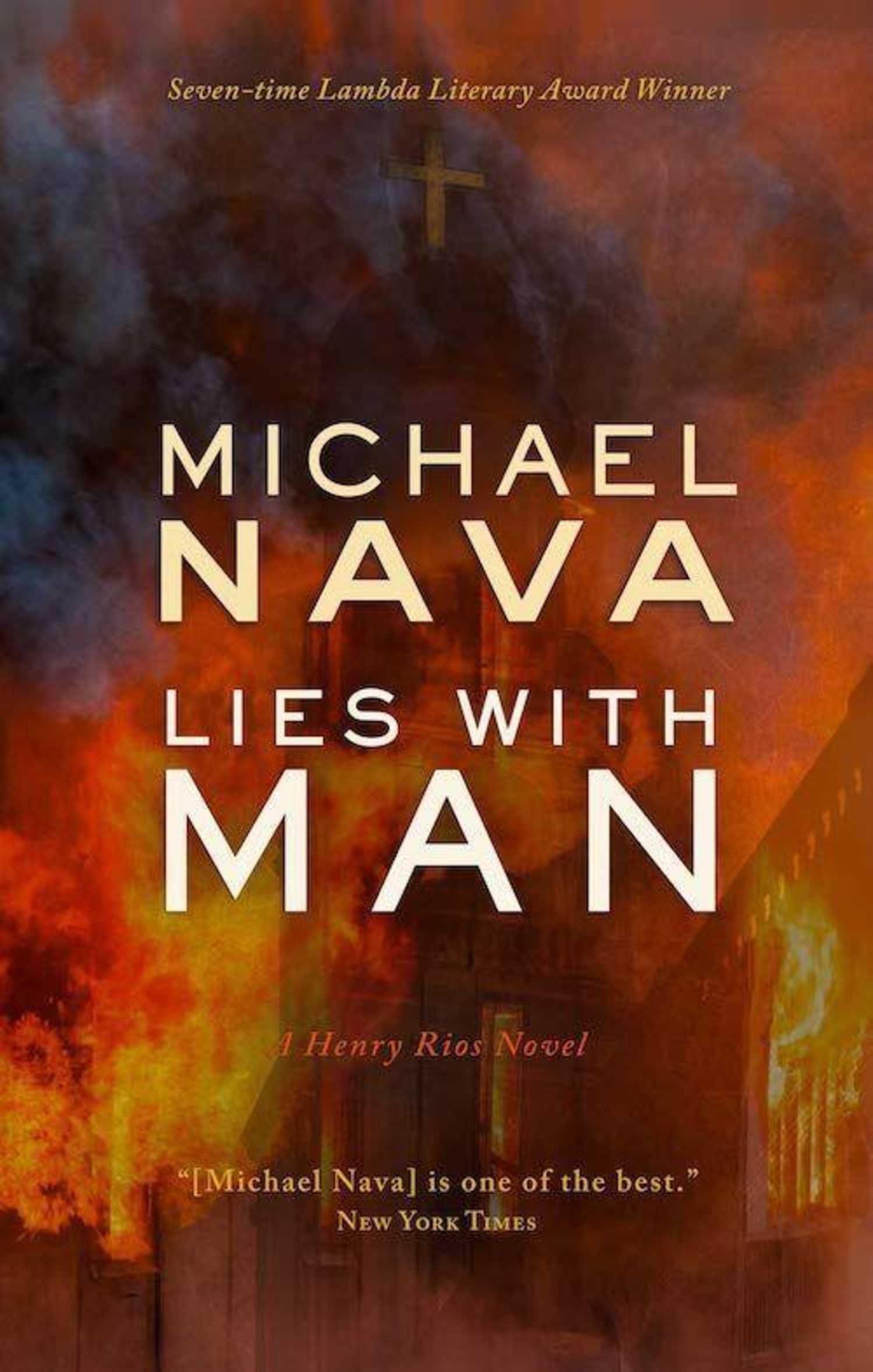
Like Scott Turow, Michael Nava parlayed a legal career into a long run as a novelist writing crime fiction. Nava is best known for his Henry Rios books, a series of eight novels. (Nava also revised and rereleased the first two Rios books under new titles later in his career.) Rios is an openly gay protagonist, and Nava is a pivotal voice in queer mystery writing.
As a defense lawyer, Henry Rios moves through the world and proceeds through an investigation differently than a detective, or an independent investigator. Michael Nava's work is full of tight procedural details, making the most of that perspective.
Nava is a must-read crime author of the 1980s and '90s, who has become a deep-cut for anyone who hasn't gone past the first level of suggested reading for the genre. For some people, that makes the author exactly what they are looking for as they dig deep in the mystery book stack for their next read.
KioskNews shows a cleaned-up reading view extracted from the publisher’s page — the original always lives on their site, not ours.