Why IPO Investors Are Finding It Harder To Make Money In The Stock Market

Stock Market Today: The IPO market has become one of the biggest attractions for India's stock market investors. Every few weeks, a new company enters the market, subscription numbers make headlines and investors rush to secure an allotment.
But there is a catch. Getting an IPO allotment no longer guarantees an easy listing gain. And even when a company makes a strong debut, investors may find it difficult to justify the price they are paying.
So, are investors paying too much for IPOs, and are they getting a fair deal?
Also Read | Layoffs Are Rising In Tech, But These Skills Are Helping People Unlock Better Pay
IPO Valuations Leave Little Room For Gains
Companies are increasingly seeking valuations that already factor in substantial future growth. Investors, therefore, are being asked to pay for earnings that may take years to materialise.

This can become risky when projections fail to match reality. "The biggest concern, in my view, is valuations. Many companies are going public at valuations that leave little room for the growth they are promising," Akshay Dawra, Fund Manager, Chanakya Opportunities Fund II, told NDTV.
He pointed out that companies often base their projections on ideal scenarios. However, geopolitical conflicts, supply chain disruptions and other uncertainties can make execution considerably more difficult. In other words, investors may be paying today for a future that is far from certain.
Are IPOs Becoming An Exit Route For Existing Investors?
In several large IPOs, a significant portion of the issue consists of an OFS, through which existing shareholders sell their holdings. An OFS is not inherently bad. Early investors, founders and private equity funds may legitimately want to monetise their investments.
However, investors need to understand what they are buying. Are they investing in a company raising fresh capital to expand its business? Or are they primarily buying shares from investors looking to exit?
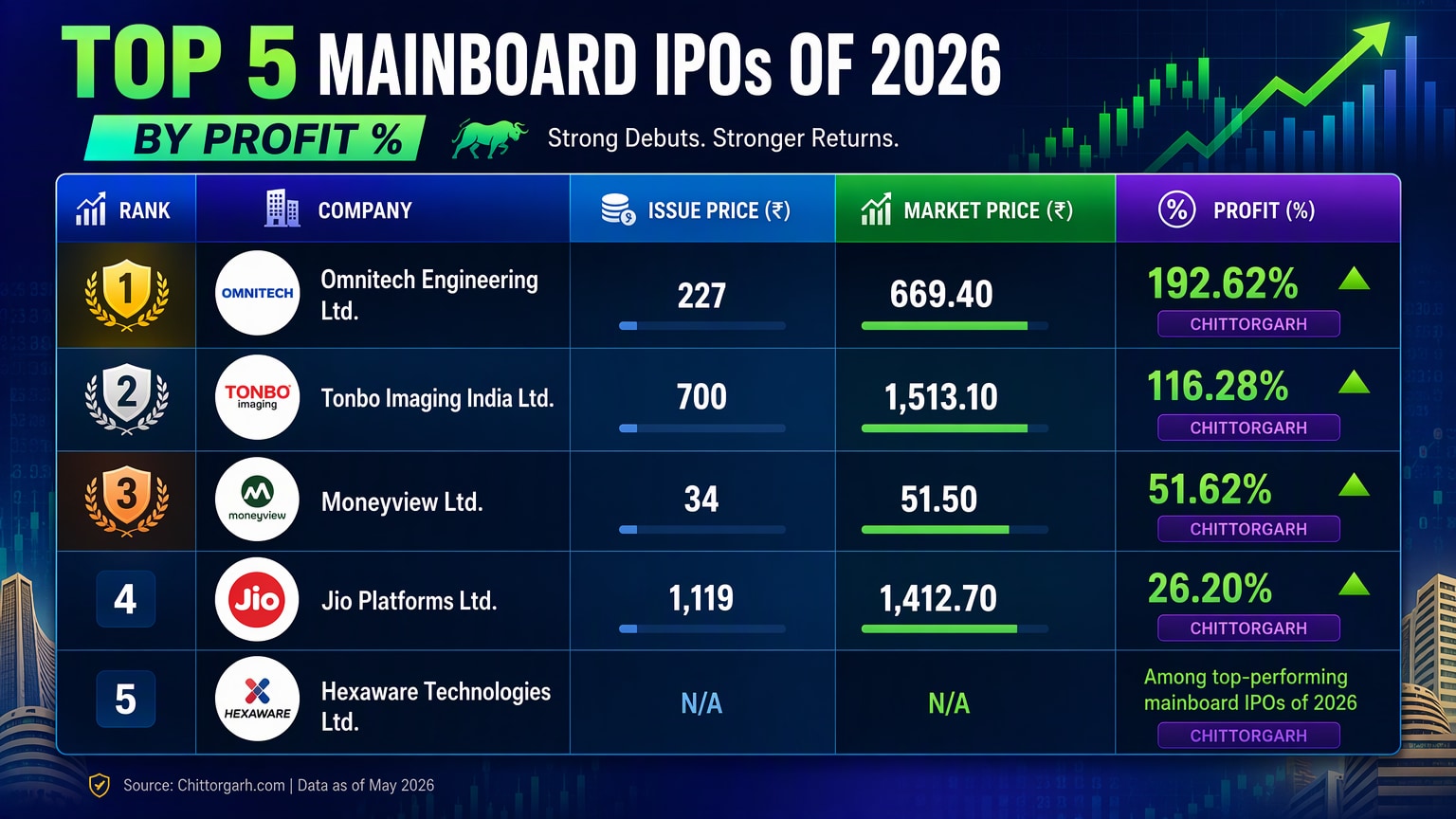
Listing Gains Are Driving IPO Decisions
The IPO market has also developed a strong short-term trading culture. Subscription figures, grey market premiums and expected listing gains often influence investor decisions more than the company's financial performance.
This creates a problem. A heavily subscribed IPO is not necessarily attractively valued. Similarly, a strong grey market premium is not a guarantee of listing gains. Investors who enter an IPO purely for quick profits may find themselves holding shares that are expensive relative to the company's earnings and growth prospects.
India Share Market: Are Investors Getting A Fair Deal?
Dawra does not believe investors are necessarily being given an unfair deal. Financial disclosures, company financials and IPO pricing are available in the public domain. Investors must also take responsibility for understanding the businesses they are investing in.
At the same time, issuers and investment bankers have a responsibility to ensure that incoming shareholders receive a reasonable risk-reward opportunity. "A good company does not automatically make a good investment. What matters is the price you pay for it," Dawra told NDTV.
He believes companies with credible earnings, sustainable growth, sound governance and reasonable valuations will continue to attract investors.
KioskNews shows a cleaned-up reading view extracted from the publisher’s page — the original always lives on their site, not ours.