The pet I’ll never forget: Orlando was paralysed and almost died – then became the perfect guide dog
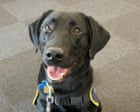
When I first met Orlando, he was about eight weeks old. I’m a puppy raiser for the charity Guide Dogs; the puppies come to live with us in Swanley, Kent, until they are 12 to 18 months old. I started training him, but one day, I noticed he was shaking his head, which can mean there is something wrong with a dog’s ears. We took him to the vet and, on the second visit, we were told to rush him straight to the Royal Veterinary hospital because he had tetanus.
Dogs aren’t vaccinated against tetanus because it is so rare, and I don’t think I realised how unwell Orlando was. For the first week it was terrifying. He became completely paralysed and I was awake every night expecting a call to say that he had died. He was too sick to carry on training as a guide dog. He had to learn how to eat, walk and do almost everything again.
When he came back to live with me, he couldn’t go up the stairs. We had to put mats on the floor, because if he slid it would hurt him, and he could manage only short walks. He was very demanding – he had a unique high-pitched bark and he’d tell you what he wanted. You could be sitting in a cafe and he’d tell you: that’s it, we’ve had enough of sitting, it’s time to go. He was also very cheeky. He’d take my daughter’s smelly socks and then give me a look as if to say, “What? I didn’t do it.”
People were always asking after him. He was very resilient and determined – you can’t get much more inspiring than Orlando. He stayed with us until he was 17 months old, and then I gave him to his trainer from Guide Dogs. I felt very emotional, but also proud. It is like your child going off to university.
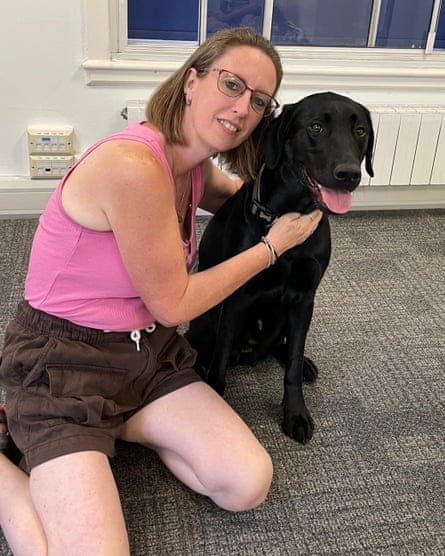
In just under six months, Orlando qualified as a guide dog. His new owner, who is partially sighted, had been waiting years for one. I was in tears when I read her email saying how happy they were together. Without Orlando, she wouldn’t be getting out and doing as much as she is now.
We didn’t know if he’d survive, and to go from a puppy that a lot of people were expecting wouldn’t pull through to a working guide dog that has changed someone’s life is amazing. Knowing him has really changed the way I care for dogs. I am even more conscious of looking out for the little things, because if I hadn’t seen them with Orlando, he wouldn’t be here today.
KioskNews shows a cleaned-up reading view extracted from the publisher’s page — the original always lives on their site, not ours.