Iowa lead detonation results expected soon, EPA says
The Environmental Protection Agency said Thursday it expects to begin receiving sample results as early as Friday following the U.S. Army's detonation of a stockpile of degrading explosives at a munitions plant in Iowa.
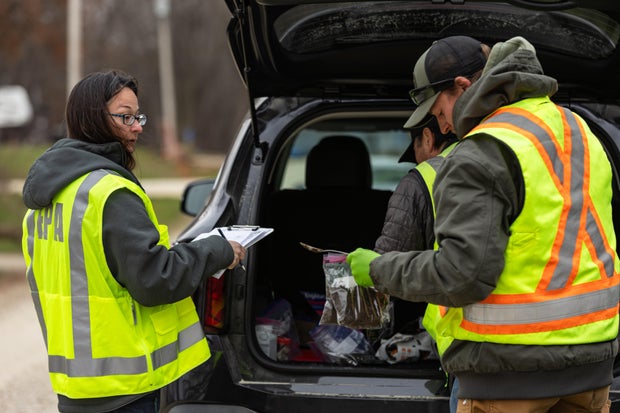
The EPA collected more than 1,500 air, water, soil and dust samples ahead of Wednesday's destruction of the lead azide stockpile, followed by more than 1,000 samples after the detonation, the agency said. Samples were sent to multiple EPA and private labs for testing.
The EPA said it collected samples at more than 130 structures, including homes, schools, daycare centers and churches, as well as at parks, nearby farms, drinking water sources and the Mississippi River watershed.
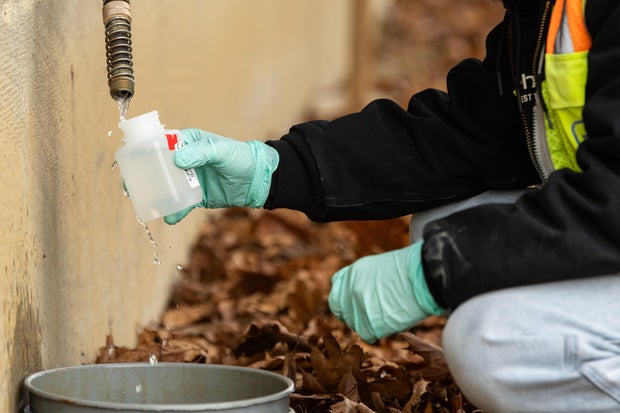
As of Thursday, no airborne lead had been detected throughout the region, the EPA said.
The EPA said it is also testing for other compounds that may have been released during the detonation.
"The agency is testing for everything we were anticipating could potentially be released as a result of the controlled detonation," the EPA said in Thursday's news release.
The Army on Wednesday detonated 5 tons of deteriorating explosives at an Army ammunition plant located in the small Iowa community of Middletown, citing the risk of an unplanned explosion. Local residents and environmental groups had sought to block the detonation over concerns that a plume of toxic lead dust could threaten public health and agriculture.
The Middletown plant housed about 10,000 pounds of lead azide, which has been used in ammunition since World War I. The EPA said that the lead azide had degraded over the last 20 years it had been in storage. It had undergone a recrystallization process that increased "the material's sensitivity to friction and shock" and made it more susceptible to the "risk of unintentional detonation," the EPA said.
The 8th Circuit Court of Appeals temporarily halted the detonation last week while it considered whether to impose a longer-lasting ruling. On Monday, the court said that the environmental groups challenging the plan had failed to show they were likely to succeed.
The chaotic lead-up to the detonation reached the White House, prompting questions within the Trump administration about what went wrong and who was to blame for not elevating the matter to senior officials sooner, sources familiar with the matter told CBS News.
President Trump praised the detonation as having "exceeded expectations."
KioskNews shows a cleaned-up reading view extracted from the publisher’s page — the original always lives on their site, not ours.