Digital traffic simulation model, road safety audit for 2,205km of Delhi roads
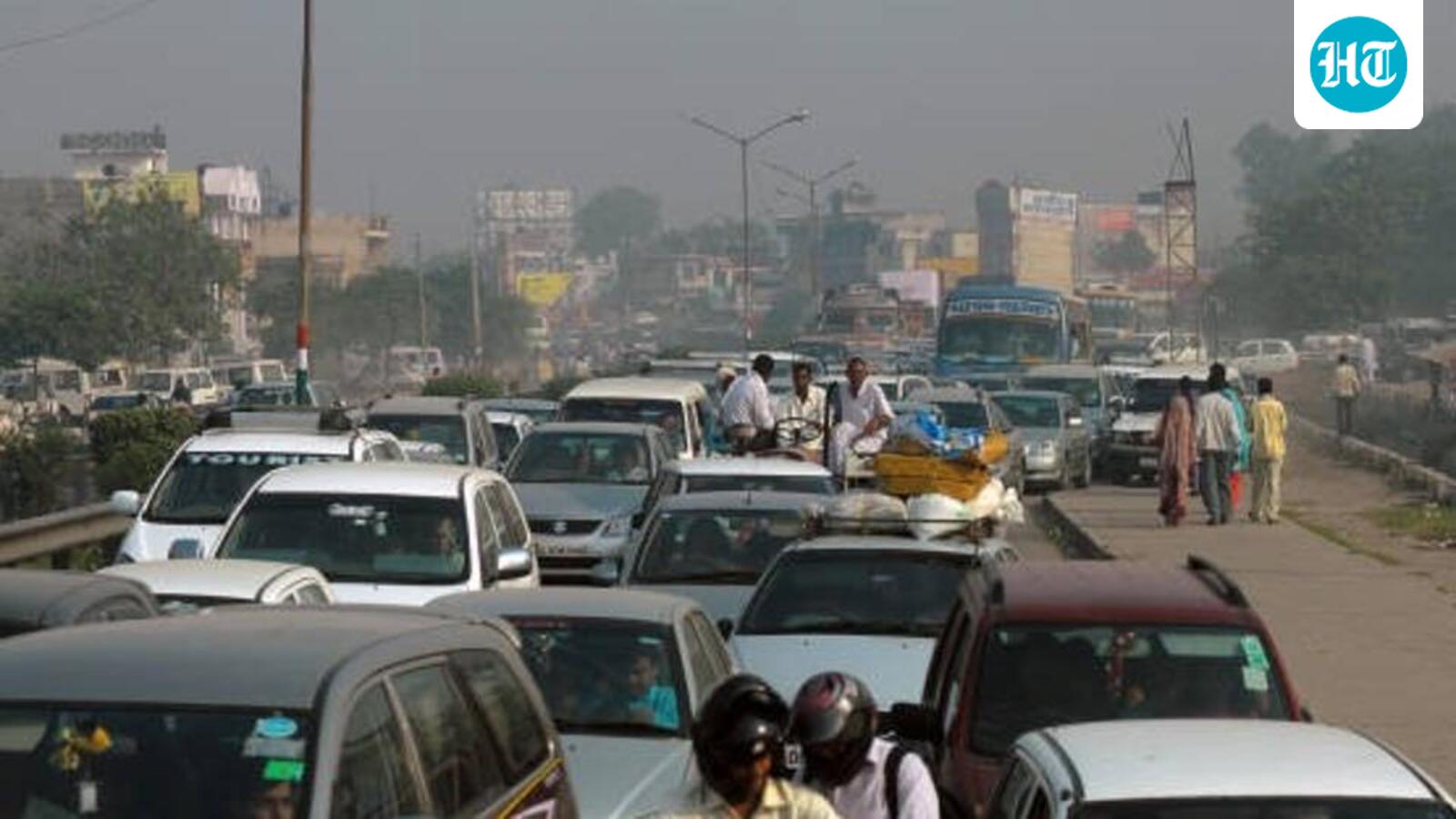
Under spotlight for congestion on Delhi’s arterial road network and worsening traffic congestion, the Public Works Department (PWD) has decided to undertake a comprehensive traffic simulation study and road safety audit covering 2,205.68km of roads across its South, North and East zones in Delhi. The ₹11.17-crore exercise will use digital models to study traffic movement on individual road stretches and test possible solutions to congestion before implementing them on the ground.
Roads and Zones Covered
The study, which is expected to be completed within three months, will cover 1,796 roads across the three zones. These include 270 roads spanning 426.28 km in the South Zone, 1,137 roads covering 1,374.76 km in the North Zone, and 389 roads stretching across 404.64 km in the East Zone. PWD oversees arterial road networks with width more than 60ft while smaller roads are overseen by the Municipal Corporation of Delhi.
Why the Study Is Needed
According to the project report, traffic congestion has been increasing across the city, with even stretches that earlier experienced relatively smooth traffic movement now witnessing frequent bottlenecks, particularly during peak hours. Rising vehicle numbers, inadequate road capacity, poorly designed intersections, on-street parking and conflicting traffic movements have added to the problem. The increasing incidence of road accidents has also highlighted the need for a scientific assessment of the city’s road infrastructure.
Also Read:Delhi sees massive traffic snarls as festive rush, vehicle breakdowns disrupt peak-hour movement
Traffic Data and Digital Models
As part of the exercise, the department will collect detailed data on traffic volumes, turning movements at intersections, vehicle speeds during peak hours, travel times, road geometry and pedestrian movement. Surveys will also cover public transport operations, parking demand and other factors influencing traffic movement.
“The collected data will be fed into specialised traffic simulation software to create virtual models of individual roads and intersections. These models will allow engineers and traffic planners to recreate existing traffic conditions and test different scenarios to identify the most effective solutions and recommend infrastructure changes and development of new flyovers and underpasses,” official said.
For instance, authorities will be able to assess whether changing traffic signal timings, opening or closing U-turns, introducing dedicated turning lanes, modifying lane markings or changing traffic circulation patterns can reduce congestion. The models will also help evaluate the impact of proposed road widening, flyovers, underpasses and other infrastructure projects before they are taken up.
The three month long study will also examine major junctions to identify locations where traffic signals, road geometry and intersection designs are contributing to delays. Possible interventions such as intersection redesign, pedestrian crossings, refuge islands, traffic calming and improved bus facilities will be assessed, officials added.
Also Read: Vehicle emission inspections choke Delhi borders
Road Safety Audit and Possible Interventions
In the second phase, a road safety audit will be conducted alongside the traffic simulation exercise, with particular attention to accident-prone stretches and vulnerable road users, including pedestrians and cyclists. The audit will assess existing road designs, visibility, signage, street lighting, road dividers, footpaths, cycle tracks and zebra crossings to identify safety deficiencies.
Based on the findings, the department will recommend engineering interventions such as improved road markings, safer pedestrian crossings, better lighting, speed-control measures and redesigned junctions to reduce the risk of accidents.
KioskNews shows a cleaned-up reading view extracted from the publisher’s page — the original always lives on their site, not ours.