Gums, gingkos and a golden wych elm: voting for Victoria’s tree of the year
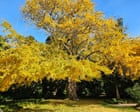
A decades-old shady eucalyptus, an elm beloved by thousands of commuters, and a type of gingko once thought to be extinct in the wild are among the finalists for Victoria’s tree of the year.
The competition run by the National Trust of Victoria started in 2016 as a way to raise awareness about trees around Victoria and advocate for their protection by celebrating significant trees.
To be eligible, the trees must be listed on the National Trust significant tree register, which it recognises up to 10,000 important trees in Victoria for their cultural, scientific, and historic value.
This year it had more than 40 nominations, which were narrowed down to nine finalists by a panel of 12 experts and arboriculturists.
The executive manager of gardens at the National Trust, Justin Buckley, said the trees nominated for the registry have been there for generations, and the people who nominated them often remember playing under them and climbing them, along with their children.
“It’s not always just the biggest or most impressive tree that wins; it’s often one that has a lot of community support behind it.” Buckley said.
The 2026 finalists are:
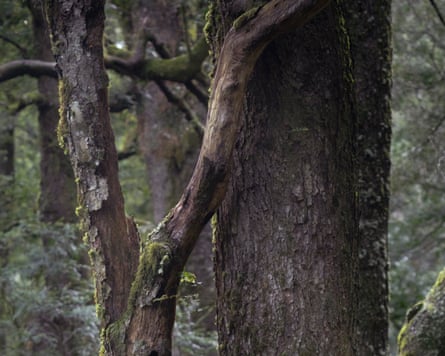
The famed myrtle beech in Apollo Bay may be the result of two or three trees growing together and visitors are able to wander through the complex structure: a parallel to the web of life they support.
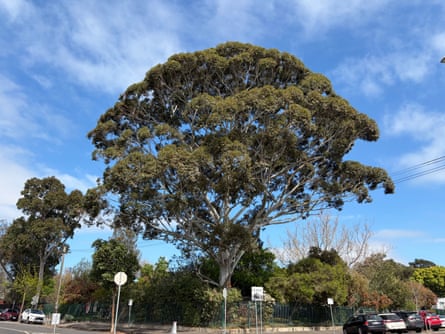
Although flooded gums only naturally grow north of Newcastle, and especially in very wet areas like the Daintree, this specimen most likely planted in the 1960s or 70s in Carlton North is a landmark of pride for the community.
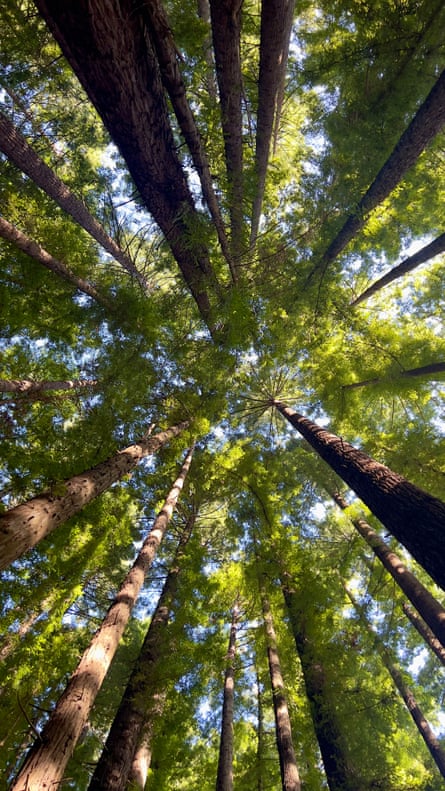
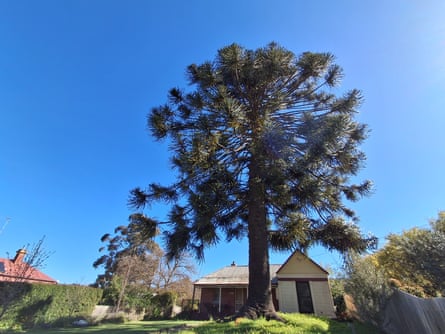
These trees were planted as a experiment by the Melbourne Metropolitan Board of Works in the 1930s in order to see if conifers could clean drinking water in a landscape which had been extensively cleared. Growing much taller than any other trees, they offer visitors an awe-inspiring experience.
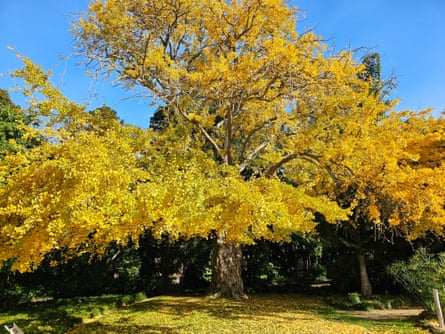
The ginkgo was planted in Geelong Botanic Gardens in 1859, and is more than 167 years old. Gingkos, also known as maidenhairs, were thought to be extinct in the wild for many centuries before being revived.
after newsletter promotion
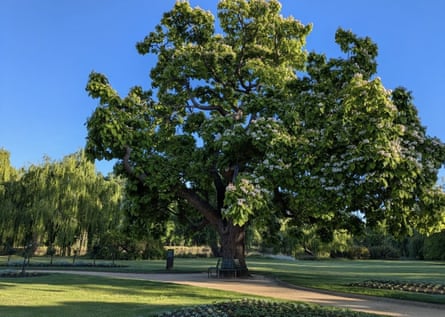
The Indian bean tree is located in the botanical gardens in Castlemaine. Originally from Central America, the tree is known to herald the season by covering itself in large white flowers in spring and growing a full shady green canopy of large leaves in summer and long seed pods in winter.
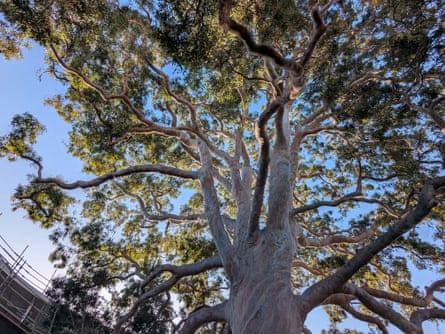
This smooth-barked apple myrtle in Prahran is the biggest of its kind in cultivation. Located in the middle of urban Melbourne and surrounded by construction works, there are hopes that architects will let the tree continue to grow for many years to come.
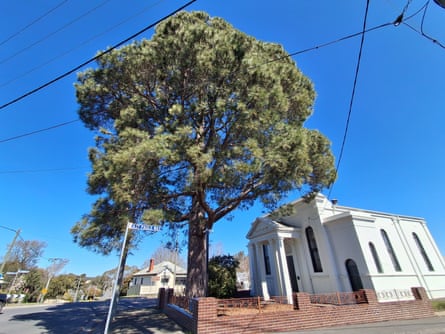
Planted by 1867 Jacob Bernstein, a member of Ballarat’s Hebrew community, this Canary Island pine is the second-eldest recorded tree among the finalists and is a recognisable feature in the landscape of Ballarat. Canary Island pines are known for their longevity and ability to survive changes in climate.
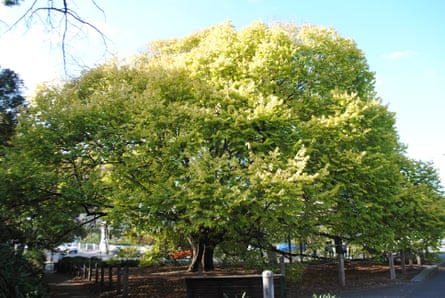
The competition is the trust’s most successful advocacy campaign and helps bring awareness to important trees in Victoria, Buckley said.
“In the 40-odd years that we’ve been keeping the significant tree register, they’re potentially under more threat than they ever have been with densification of cities and more housing; we think protection of trees is as important as it’s ever been,” Buckley said.
Voting for the competition closes at midnight, 22 October, with the winner announced on 27 October.
KioskNews shows a cleaned-up reading view extracted from the publisher’s page — the original always lives on their site, not ours.