Game Of Thrones Officially Confirms A Harsh Reality About Daenerys' Death

Angel Shaw is a Lead Writer and Critic on ScreenRant's TV team, covering new-release and classic TV shows across all major streaming platforms. She has been a writer with ScreenRant since 2022 and specializes in Harry Potter, The Lord of the Rings, and fantasy.
Angel holds a bachelor's degree in language interpreting and is passionate about all things culture and communication—especially in how it relates to popular media throughout history (from Shakespeare to Friends to Game of Thrones).
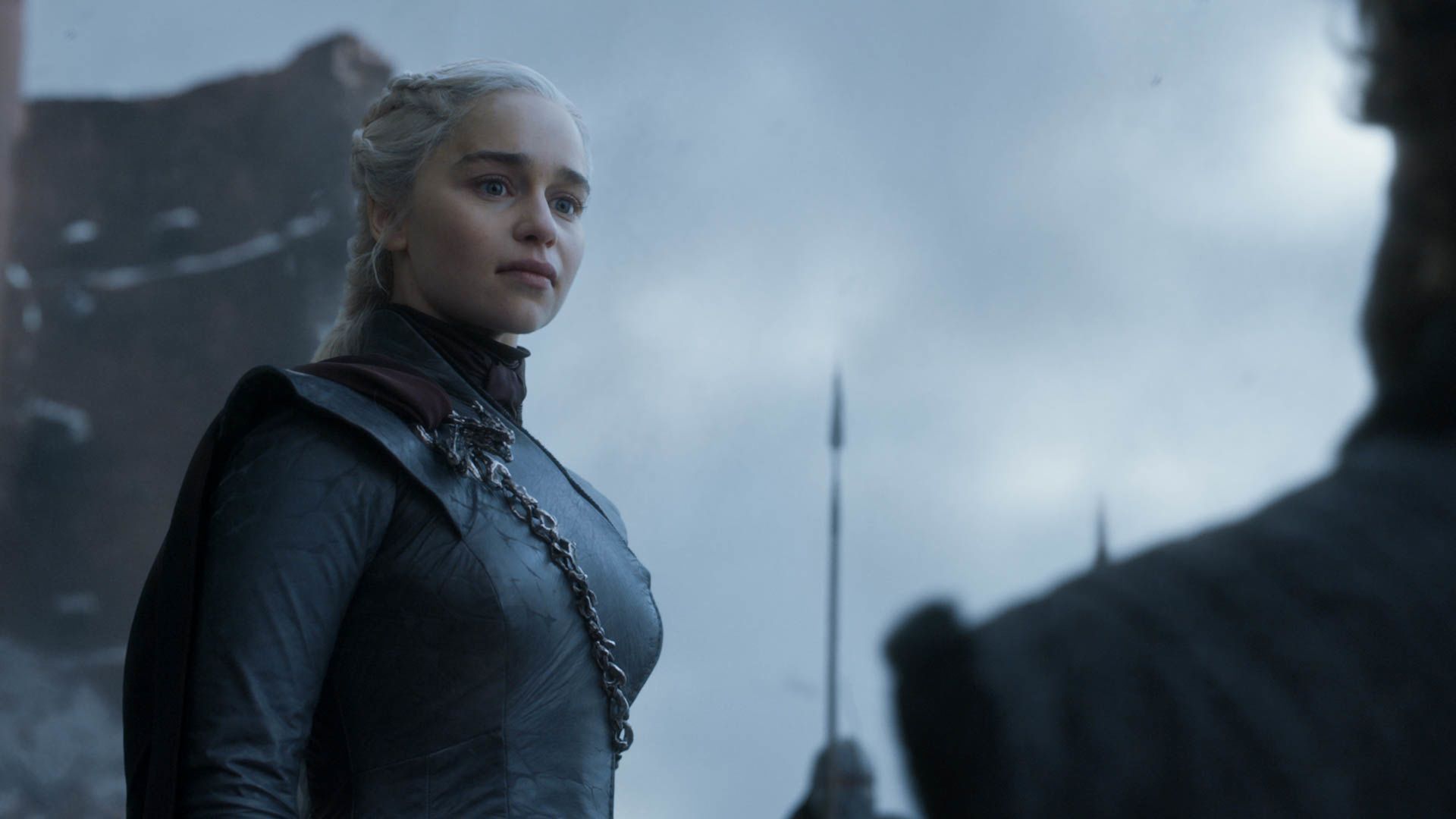
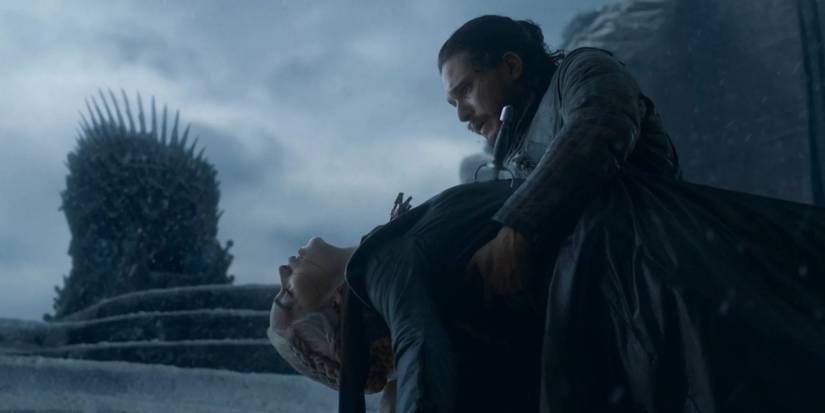
Daenerys Targaryen's death at the end of Game of Thrones was an uncomfortable shock for most. This TV show established right from season 1 that any central character, regardless of how important they are, can die at any moment, so Daenerys' ending was certainly on brand. Still, there have been endless complaints regarding precisely how this twist was approached. Game of Thrones season 8 was rushed to the point that elements of character development didn't feel natural. It was a mess, but perhaps not an unresolvable one.
After Game of Thrones officially came to a close, there was really no question that there would be more from this franchise. It wasn't long before HBO announced House of the Dragon, as well as several other potential spinoffs. There were prominent rumors of a Jon Snow sequel, which seemed especially promising. If the story were to continue, perhaps Daenerys' death could be retroactively improved.
Unfortunately, the time has finally come to accept that this just isn't going to happen. It's been nearly eight years since Game of Thrones ended, and while HBO now has two prequel series, there is absolutely no word of a sequel. The Jon Snow concept is completely dead; other projects like Aegon's Conquest movie and the Game of Thrones: The Mad King stageplay are also set before the central series. Any potential story set after Game of Thrones has no real possibility of getting brought to the screen.
The Game Of Thrones Franchise Is Stuck Working Backward

There are surely plenty of creatives associated with HBO that are chomping at the bit to make a Game of Thrones sequel. Because this is precisely what so many have been asking for, it would almost certainly have a massive following from day one. However, the franchise as a whole is strictly limited to prequels for the moment. House of the Dragon, A Knight of the Seven Kingdoms, Aegon's Conquest, and beyond can add layers to the details surrounding Daenerys' death, but they are ultimately limited to supporting the continuity of the acts involved here.
This has everything to do with the fact that George R.R. Martin hasn't finished his A Song of Ice and Fire series yet. While Daenerys most likely dies at the end of his version of the story, there is bound to be further context and key details outlined in the still-unpublished Winds of Winter and A Dream of Spring. If HBO were to continue the story without that nuance, leaning only on what we already acknowledge is a weak ending, the possibility of remaining anywhere near 'canon' is nil. An expensive sequel would become irrelevant the moment Martin expanded his own story, or even publicly announced that the new show is wrong.
For example, there have been theories that Drogon took Daenerys' body to Volantis after Game of Thrones ended. If this were the case, she could have been brought back to life. Whether or not this is something Martin might have intended, a Game of Thrones sequel that takes this route would then be trapped. What would Daenerys do? Would she be anything like herself, or even more evil? Then, once these questions are answered, Martin could immediately come forward with his long-awaited books and contradict every last one of them.
There's Only Minimal Hope Left Of Getting Closure About Daenerys Targaryen's Death
The trends since Game of Thrones ended prove that HBO isn't going anywhere near a sequel any time soon. However, that isn't to say that absolutely nothing is being done about the controversy of Daenerys' death. House of the Dragon, in particular, has attempted to lean on the idea that Daenerys Targaryen—a descendant of Rhaenyra and Daemon—would be the Prince That Was Promised. The show creates contrast between Rhaenyra's and Daenerys' stories, further emphasizing the pressured fate of those who try to rule with an unblemished heart.
Question 1 of 3
By the time House of the Dragon ends with season 4, we may have a better understanding of just why Daenerys was suggested to be the Prince That Was Promised even though she decided to burn King's Landing before being assassinated by Jon Snow. Further evidence of all that happened over centuries to lead to that point, or of Aegon's Dream being flawed, would add some comfortable padding to the otherwise sharp and jagged conclusion. It should at least lessen the sting.
The final hope that we will ever get a Game of Thrones sequel series depends entirely on George R.R. Martin himself. Once this author finishes A Song of Ice and Fire, there would be much more room for a discussion with HBO about what sorts of future events could be brought to the screen. However, Martin has been infamously slow on this project, with Winds of Winter initially expected to be released in 2014. Twelve years later, and that obviously hasn't happened, and it's unclear whether that book will ever hit shelves. It's unfortunate, but the best we can do is accept what we have.
- Release Date
- 2011 - 2019-00-00
- Showrunner
- David Benioff, D.B. Weiss
- Directors
- David Nutter, Alan Taylor, D.B. Weiss, David Benioff
- Writers
- D.B. Weiss, George R.R. Martin, David Benioff
- Franchise(s)
- Game of Thrones
KioskNews shows a cleaned-up reading view extracted from the publisher’s page — the original always lives on their site, not ours.