Hong Kong seeks bigger role for yuan in regional trade, treasury chief says
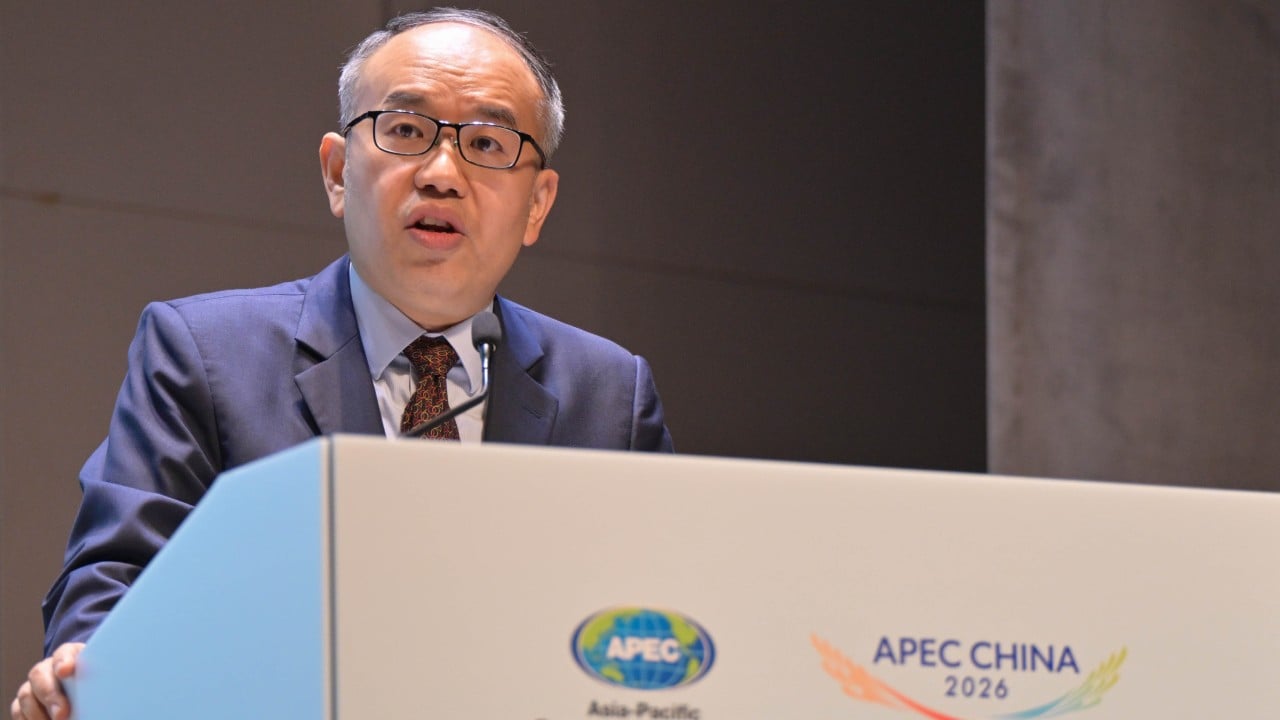
Hong Kong officials held discussions with finance ministers and representatives from economies such as Brunei during last week’s Apec meeting on reducing reliance on the US dollar and expanding the use of local currencies and the yuan for bilateral trade settlement, the city’s treasury chief has said.
Secretary for Financial Services and the Treasury Christopher Hui Ching-yu on Sunday also shared lighthearted but telling anecdotes about the intangible gains made by the city from hosting the Asia-Pacific Economic Cooperation Finance Ministers’ Meeting, noting how impressed delegates had been.
“They directly hope that through this meeting, not only to communicate at the government level, but also to communicate with our business sector on the internationalisation of the renminbi, especially regarding the use of local currencies,” Hui told the media.
“Because at the Asian level, trade between us has increased a great deal since the [Covid] pandemic,” he added.
He noted that Asean has been Hong Kong’s second largest trading partner after mainland China, so their trade within Asia “does not necessarily need to use US dollar”.
“We can use local currencies or even the renminbi more for trade settlement,” Hui said, referring to the Association of Southeast Asian Nations, which comprises Brunei, Cambodia, Indonesia, Laos, Malaysia, Myanmar, the Philippines, Singapore, Thailand, Vietnam and East Timor.
Hong Kong hosted the finance ministers’ meeting on October 20 and 21 at the Hong Kong Convention and Exhibition Centre in Wan Chai.
Hui said the event allowed delegates to connect directly with local financial institutions to explore how Hong Kong’s broader financial ecosystem could support their specific needs, including issuing offshore yuan “dim sum” bonds or accessing other investment products in the currency.
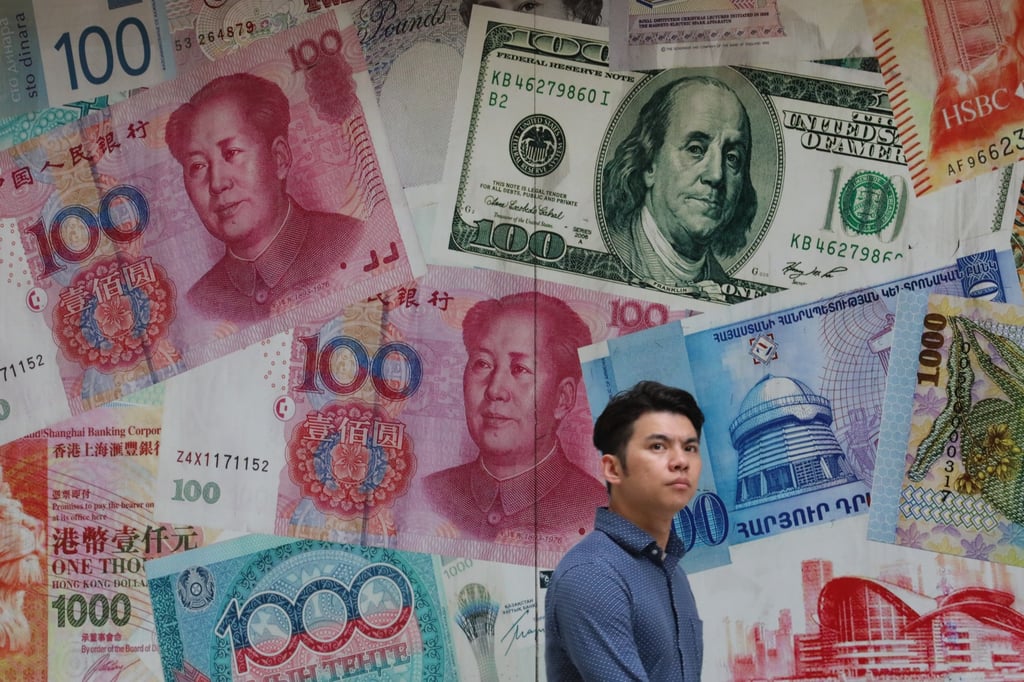
Strengthening Hong Kong’s role in the internationalisation of the yuan is a high priority in the city’s first five-year plan to 2030, unveiled in September.
Reflecting on the event’s intangible outcomes, Hui said some delegates told him they were getting married soon and planned to return to Hong Kong for their honeymoons.
He also said organisers offered Muslim guests halal food alongside local street snacks such as egg waffles and fish siu mai to showcase the city’s unique culture and hospitality.
Hui framed the city’s role at Apec as a “facilitator of regional cooperation”, complementing mainland China’s role as a “stabiliser” in a complex geopolitical and economic environment.
Beyond strengthening regional currency ties, Hong Kong was positioning itself as a safe haven for physical assets as it pushes to become a global bullion hub, Hui said, explaining why companies were increasingly looking to store gold in the city.
Amid shifting geopolitics and logistics disruptions, institutions have come to realise that “many things are much safer kept close by”, he said, highlighting the importance of Hong Kong’s comprehensive supply-chain ecosystem.
To attract players such as international gold refineries and storage providers, the government has created a “Gold Hotline” regulatory fast track, Hui said.
His bureau acted as a one-stop shop to coordinate and expedite regulatory approvals across different government bureaus, making it significantly easier for foreign firms, such as two gold refiners – one from the mainland and the other from Switzerland – to enter Hong Kong.
Asked about the feasibility of expanding the city’s gold storage infrastructure, Hui pointed to a recent, rapid success in a related sector, noting that in just over a year, Hong Kong had successfully secured nearly 20 warehouses storing over 60,000 tonnes of non-ferrous metals.
Hui added that international metal refiners were entering Hong Kong via two distinct models: some, such as the Swiss firm, were partnering with established local enterprises, while others were setting up completely new, independent operations in the city.
KioskNews shows a cleaned-up reading view extracted from the publisher’s page — the original always lives on their site, not ours.