Inquiry probes controversial camera tech linked to mental health patient deaths
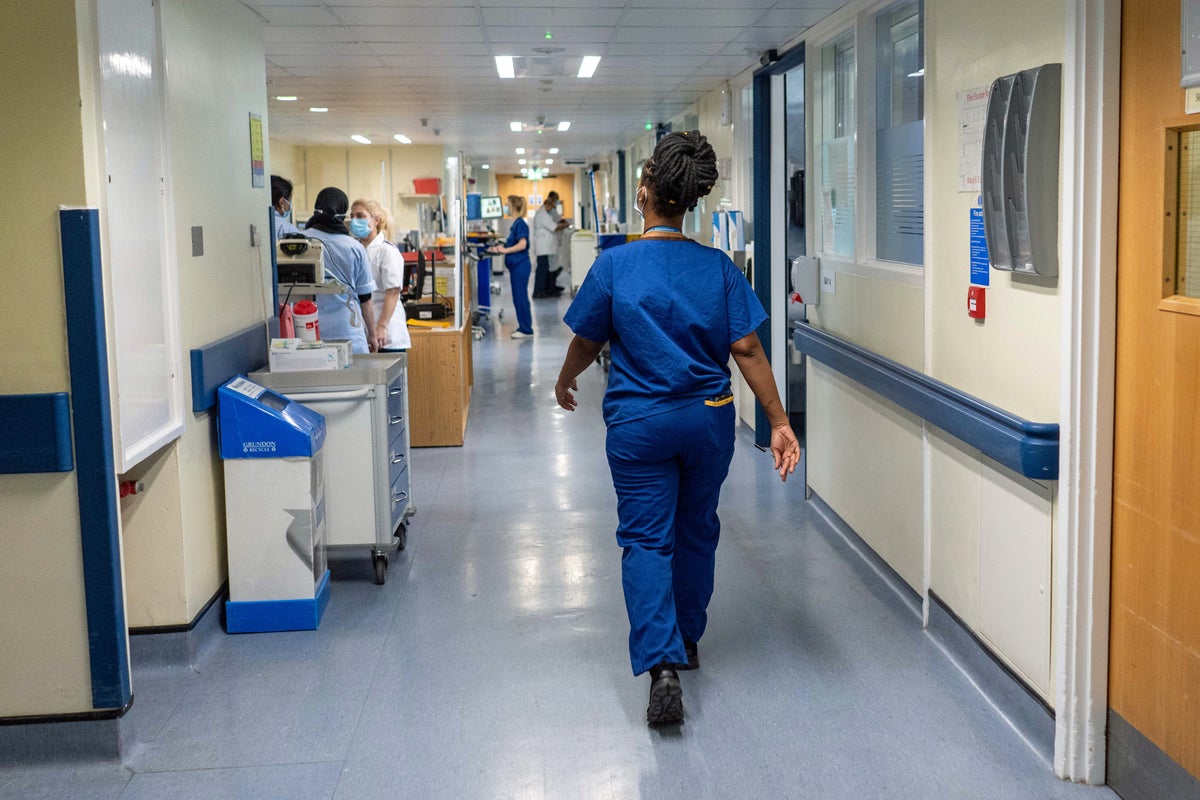
A public investigation probing fatalities among individuals receiving care from mental health services is evaluating whether to call an end to a contentious patient-monitoring camera technology.
The Lampard Inquiry, tasked with investigating the deaths of thousands of Essex mental health patients, is preparing to determine if emergency interim guidance should be issued regarding the placement of the Oxevision system on hospital wards.
Campaign groups have informed the panel that the technology presents safety risks, asserting that care staff have substituted direct human observations with digital monitoring, with fatal consequences for some patients.
Evidence submitted to the inquiry indicates that Oxevision has been adopted by 50 per cent of mental health trusts across England. The system operates by remotely tracking movement and abnormal behaviour, alongside calculating pulse and respiration rates.
Legal representatives from the firm Bindmans, acting on behalf of the Stop Oxevision campaign, have urged the Information Commissioner’s Office (ICO) to inspect whether the platform's collection, processing and storage of patient data complies with the law.
Nina Ali, a partner at Hodge Jones & Allen who represents 120 affected families in the proceedings, said: "People across the country are dying or being harmed while under mental health care as this inquiry continues to sit and hear evidence. We cannot stand by and let more people lose their lives and become part of these haunting statistics.
"The use of Oxevision has no place in mental health care. It is intrusive, clinically ineffective and potentially unlawful.”
A 24-hour invasive, non-consensual monitoring system must not and cannot ever replace quality human care, especially when, as seen in the devastating case of our client Elise Sebastian, staff muted alerts and left her alone for nearly 30 minutes before she was found unresponsive in her room and died.
"We have seen case after case where people have needlessly lost their lives because the system alerts were ignored, misunderstood or muted.
"Or where staff were, by default, heavily reliant on the system pitched as an ‘assistive tool’. This is a frightening show of neglect and patients deserve better."
She noted that her clients additionally want measures to address the "shambolic lack of CPR training for staff looking after the most vulnerable in our society".
Ms Ali added: "We are calling for all staff to undergo face-to-face CPR training delivered by an independent body, and any staff who fail to meet the requirements should be removed from patient care."
Among those monitored by Oxevision was Sophie Alderman, 27, who had a history of severe mental ill health and self-harm, and who died by suicide in August 2022 at Rochford hospital in Essex.
Her mother, Tammy Smith, informed the inquiry that the digital monitoring was unsafe and worsened her daughter’s paranoia.
Speaking ahead of Monday’s inquiry hearing, Ms Smith said: "Sophie was meant to be safe in hospital.
"Instead, a camera was placed in her bedroom without any clear record that she understood it, consented to it, or that anyone considered the impact it would have on a young woman whose illness contributed to a deep discomfort of cameras and a fear of being spied on.
"Oxevision invaded the only relatively private space Sophie had on an inpatient ward, it risked deepening her distress, and its alert function failed to protect her when it mattered most.
"No family should have to wonder whether their loved one died believing help was coming because a system had raised an alert that no-one answered.
"I will continue to add my voice to calls for the use of Oxevision to be halted, and hope that the coming hearings are a sign that Baroness Lampard is listening to those calls."
Lio, the business that created Oxevision, has been approached for comment.
In October 2025, Laura Cozens, head of patient safety at Lio, told the Lampard Inquiry "the platform may not be suitable for everyone – and we do recognise that".
As reported by the BBC, when asked by Nicholas Griffin KC: "Would you agree that filming a patient 24 hours a day constitutes a very significant invasion of privacy?" Ms Cozens said: "Possibly, yes".
Ms Cozens maintained that the technology played a crucial role in preventing severe incidents, including falls on a dementia ward.
She stated there were 1,774 instances where staff received support in responding to circumstances where patients could otherwise have suffered serious harm, adding that the platform assisted in freeing staff time from administrative paperwork, the BBC reported.
If you are experiencing feelings of distress, or are struggling to cope, you can speak to the Samaritans, in confidence, on 116 123 (UK and ROI), email jo@samaritans.org, or visit the Samaritans website to find details of your nearest branch.If you are based in the USA, and you or someone you know needs mental health assistance right now, call or text 988, or visit 988lifeline.org to access online chat from the 988 Suicide and Crisis Lifeline. This is a free, confidential crisis hotline that is available to everyone 24 hours a day, seven days a week.If you are in another country, you can go to www.befrienders.org to find a helpline near you
KioskNews shows a cleaned-up reading view extracted from the publisher’s page — the original always lives on their site, not ours.