Malaysia’s Melaka poll shows ethnic lines firming. Can Anwar turn Malay nationalist tide?
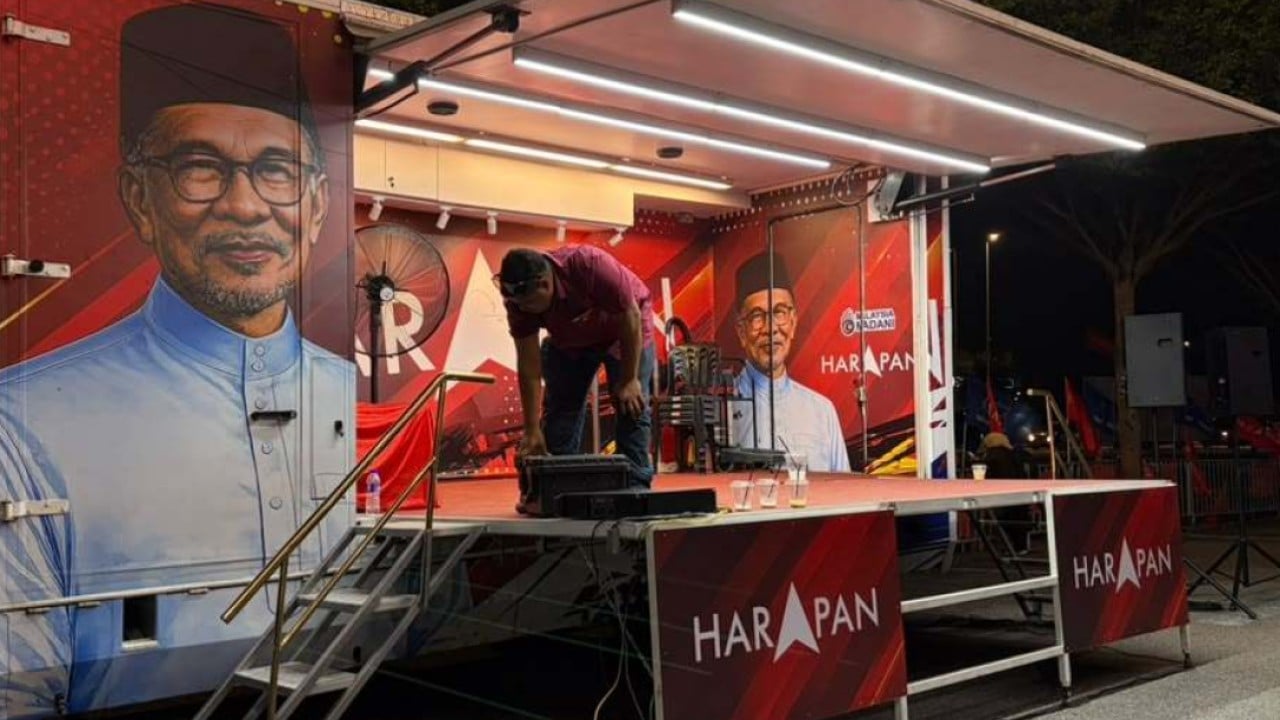
Identity politics could very well decide the outcome of Malaysia’s next national election, experts say, after parties and voters dug in their heels along ethnic lines in recent polls that have undermined Prime Minister Anwar Ibrahim’s multicultural ruling coalition.
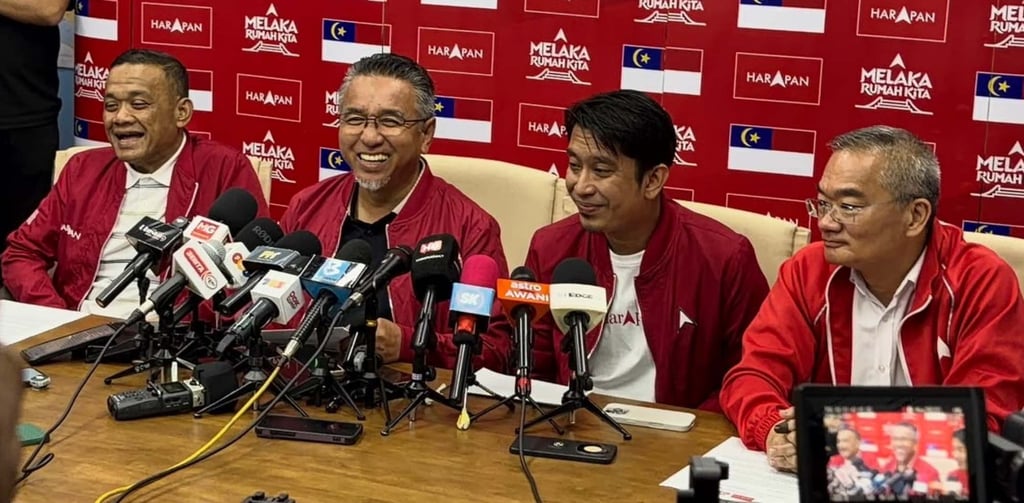
PH managed to keep the remaining four through the Chinese-dominated Democratic Action Party (DAP) – the coalition’s largest party by parliamentary seats – but lost its sole Malay-majority state seat to a political novice from PN.
The Melaka result echoed earlier defeats at the hands of BN linchpin Umno, which all but wiped out PH in Johor in July before wresting control of Negeri Sembilan just weeks later.
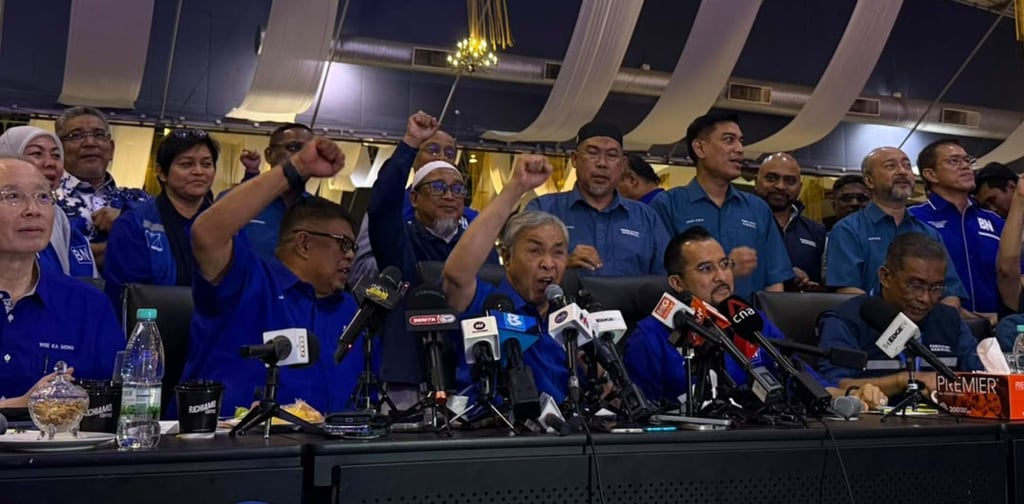
The common thread in all three state elections was the surge in support for a coalition representing the interests of the country’s Malay Muslim majority, nearly a decade after Umno – which built its support base on that very premise – was booted out of power after more than 60 years over allegations of widespread corruption.
Melaka marked the first time in decades that Umno had struck a formal electoral compact with PN’s lead party, the Pan-Malaysian Islamic Party (PAS). The union between the country’s two oldest and largest Malay parties, despite their decades-long feud, proved a winning formula that could spread across Peninsular Malaysia, experts say.
“I think the results will show that PH’s base of support has stayed the same but it cannot withstand the combined weight of support for the Umno-PAS candidates,” said Ibrahim Suffian, co-founder of independent pollster Merdeka Centre.
“Unless [PH] does something to change its gameplay, this may play out in other constituencies where Malay voters account for more than 60 per cent of the electorate.”
Umno was already emboldened by decisive victories in Johor and Negeri Sembilan, where it had struck informal deals with PAS to at least avoid contesting against each other.
In September, Umno president and Deputy Prime Minister Ahmad Zahid Hamidi demanded that Anwar call for a snap national election, even though there is more than a year to go.
“Johor was the concept testing for the Malay consolidation and Negeri Sembilan was an exploration,” said Amir Fareed Rahim, director of strategy at political consultancy KRA Group.
“Melaka has seen it come into full bloom, with the BN and PN machinery more coordinated where it mattered.”
Anwar and PH are already struggling to maintain their own support base of mostly ethnic minorities and urban Malays, angered by the government’s perceived failure to deliver on reforms that it had promised as the opposition.
Among the major grievances was the decision to drop multiple corruption cases against Umno leaders, including Ahmad Zahid, which critics have claimed was a cop-out to accommodate the party as a partner in Anwar’s unity government.

Anwar was appointed prime minister in November 2022 by the then king on condition that he formed a unity government which included both allies and rivals after a deeply split national election that left no single party with enough seats to form government.
“The arrangement is lopsided and all parties within it are aware of this, which also speaks for why DAP has been critical of Anwar’s management of the coalition,” said Ahmad Mohsein Azman, a senior analyst at strategic advisory firm BowerGroupAsia.
But any decision to call for snap national polls remains with Anwar, who is widely expected to hold on as close as he possibly can to the February 2028 deadline.
The prime minister still has wide-ranging powers at his disposal to roll out policies addressing public concerns, which would buy him time to work out new political compacts with potential partners.
“But time is running out and PH leadership must realise that business cannot be as usual if they want to improve their electoral prospects,” KRA Group’s Amir said.
KioskNews shows a cleaned-up reading view extracted from the publisher’s page — the original always lives on their site, not ours.