China’s offshore tax crackdown could inadvertently fuel a digital dollar boom

From October 22, China’s grace period for the disclosure and settlement of certain offshore-trust tax liabilities ends.
For the Chinese government, this deadline highlights its desire to affirm control over capital outflows, while for Chinese high-net-worth families, it serves as a reminder that it is now harder to keep international assets beyond the reach of the government.
The deadline sits against the backdrop of China tightening scrutiny around cryptocurrency, stablecoins and real-world asset tokenisation.
The authorities have reaffirmed that all cryptocurrency-related activities remain illegal, while also imposing strict limits on yuan-pegged stablecoins both within and outside the country and on tokenised-asset activity outside approved financial infrastructure.
Furthermore, on September 28, China’s Ministry of State Security warned that virtual currencies can be used for criminal purposes, calling digital assets a “haven” for hackers and spies, and “accomplices” to espionage.
An interesting contradiction is unfolding: the Chinese government’s efforts to restrict some private paths to global finance are making offshore diversification, and subsequently dollar-linked digital assets, more appealing due to their portability.
02:56
Musk is the world’s first trillionaire: will the second come from China?
Digital assets have been a key tool for wealthy Chinese looking to preserve their capital independently of government regulations. The government’s firm stance on the illegality of cryptocurrency means those caught engaging in digital asset transactions face severe penalties, putting themselves at risk of prosecution and their assets at risk of seizure.
Earlier this year, in June, a court in Shanghai jailed five people for up to six years each for facilitating over US$29 million in illegal cross-border transactions using cryptocurrency. They were marketing their services to wealthy Chinese looking to diversify their international holdings.
Despite the risk of enforcement, demand for financial flexibility remains among wealthy Chinese. China’s crackdown on offshore-trust tax liabilities actually highlights the system’s weaknesses, particularly that of a governance model built around controlling where capital is held and how it moves.
While it is obviously not the government’s intention to accelerate capital flight, an unintended consequence of its tax crackdown could be to make the portability of digital assets more attractive to those determined to diversify their holdings, particularly the extremely wealthy.
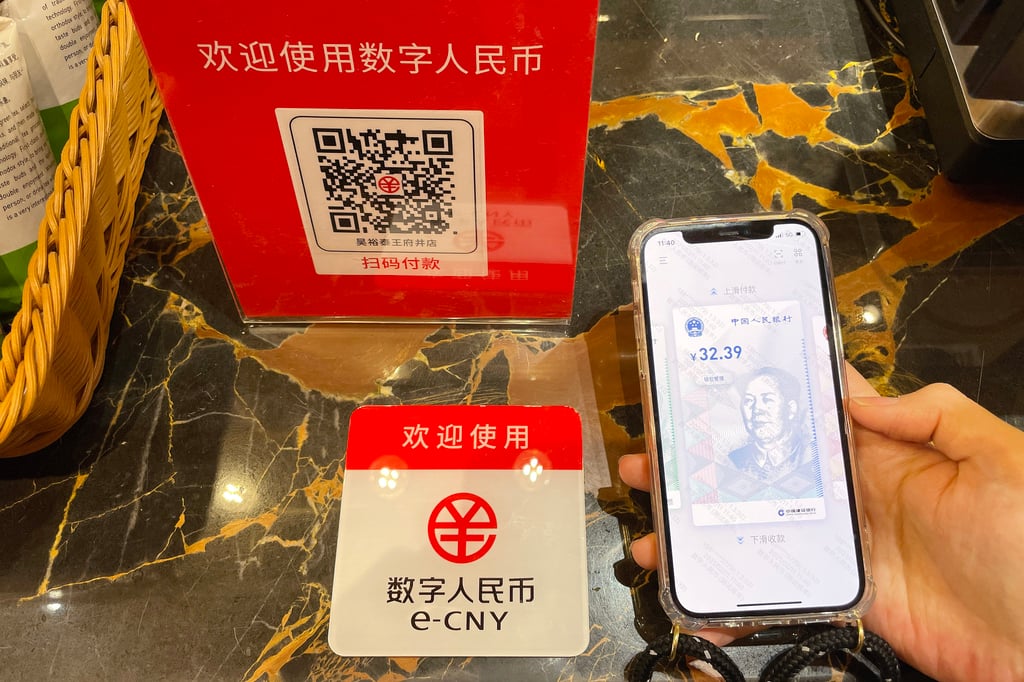
China’s desire to internationalise the yuan is well known. The government has developed alternative infrastructure to reduce its reliance on the US dollar. There is the digital yuan, which plays an increasing role in domestic transactions and in limited cross-border pilots.
And there is the Cross-border Interbank Payment System, China’s own financial market infrastructure designed to clear and settle yuan-denominated cross-border transactions.
SCMP Plus is a new premium news platform that gives you an
all-inclusive edge to stay ahead on China news.
To access our exclusive content you’ll need to subscribe.
Already a subscriber?
LOG IN
Institutions like China Development Bank and Export-Import Bank of China also play a significant role. As these government-backed organisations encourage development financing and infrastructure investment, they promote yuan internationalisation.
Projects such as the Belt and Road Initiative develop this effort, with yuan-denominated financing and investment being offered to countries to reduce reliance on the US dollar while also strengthening China’s integration into global financial networks.
As partner countries become more connected to China, they gain incentives to adopt the yuan in trade, reserves and financial transactions. This enhances China’s capital flow globally and boosts the country’s reputation as a premier source of development and investment funds.
06:53
‘Hong Kong speed’: treasury chief details city’s gold and yuan ambitions
However, the tension between Chinese government’s restrictions and high-net-worth individuals’ demand for flexibility could have lasting consequences beyond China’s borders, potentially entrenching the dollar’s internationalised role.
For one, dollar-pegged stablecoins offer a digital means of holding and transferring dollar-denominated value. About 99 per cent of stablecoins globally are dollar-denominated. This makes them attractive to individuals seeking access to global markets without relying exclusively on conventional banking channels.
Furthermore, tokenised financial assets denominated in dollars could broaden access to investment and settlement networks, while still being subject to custody, identity, tax and securities regulations.
If Chinese restrictions increase the perceived value of financial portability, they could indirectly sustain demand for dollar-linked instruments, even as Beijing seeks to limit their use.
01:25
What’s the hype about stablecoins?
This is ironic, particularly for a government intent on preserving monetary sovereignty and reducing vulnerabilities to foreign financial influence.
Hong Kong serves as the principal gateway for Chinese wealth moving to international markets, with the Boston Consulting Group noting that Hong Kong manages roughly US$2.9 trillion in offshore wealth, with this being primarily driven by mainland capital outflows. Countries like Singapore, Japan and South Korea have also benefited indirectly from Chinese capital outflows.
China’s deadline for offshore-trust tax liabilities points to a broader contest between the government’s desire to preserve control over private wealth and the growing ability of digital financial networks to move value across borders. While the Chinese government has legitimate reasons to guard against illicit transactions and capital flight, it is these very restrictions that could encourage high-net-worth investors to see offshore access as essential to protecting their assets.
This results in an interesting paradox, with the Chinese government seeking to consolidate financial sovereignty while indirectly reinforcing the appeal of dollar-linked alternatives.
KioskNews shows a cleaned-up reading view extracted from the publisher’s page — the original always lives on their site, not ours.