King Charles ‘will pay Burnham’s mansion tax on all his palaces’
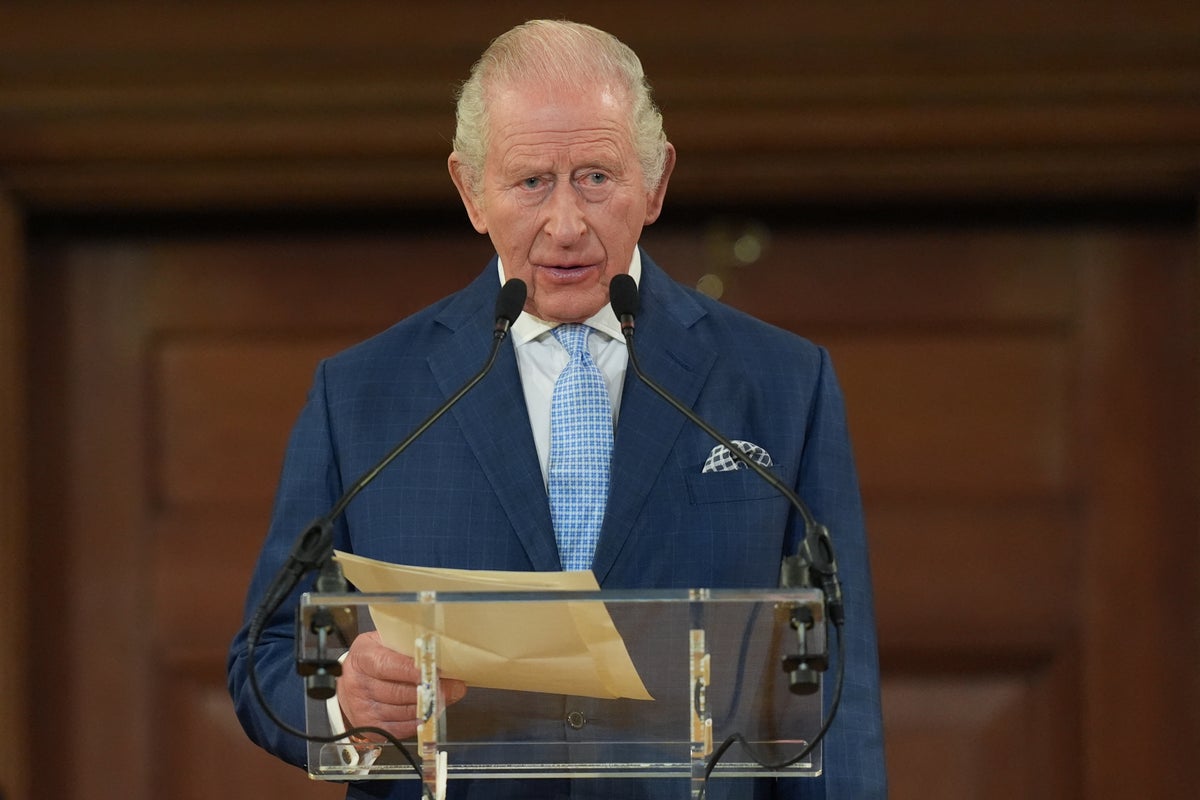
The King will pay the so-called “mansion tax” on royal palaces, even though he is legally exempt, according to a report.
The monarch does not have to pay tax but Elizabeth II paid her dues since the 1990s voluntarily, and the King followed suit by paying income tax and capital gains tax.
It has now been revealed that Charles III will pay the the annual surcharge on all relevant royal properties when it comes into force in April 2028, The Telegraph reported.
The King’s private sources of income could include money from investments or trading profits, funds generated by his private estates of Balmoral and Sandringham, and private savings.
Buckingham Palace and Windsor Castle are held by the Crown Estate on behalf of the monarch, while Sandringham and Balmoral are owned by the King, who inherited them from the late Queen.
In June this year, Buckingham Palace chose to disclose the King’s personal tax bill in a “historic first”. It was announced that His Majesty paid £12.9m in tax in 2024-25.
It was also revealed that Prince William has contributed more than £20m since becoming Prince of Wales.
The accounts also showed that the Sovereign Grant, which funds Charles’s official duties and the work of his household, increased by £45.8m to £132.1m in 2025-26.
It was also announced that the King and Queen will not live at Buckingham Palace once almost £370m of refurbishment work to make it fit for purpose has been completed, with public access to the London landmark to be increased.
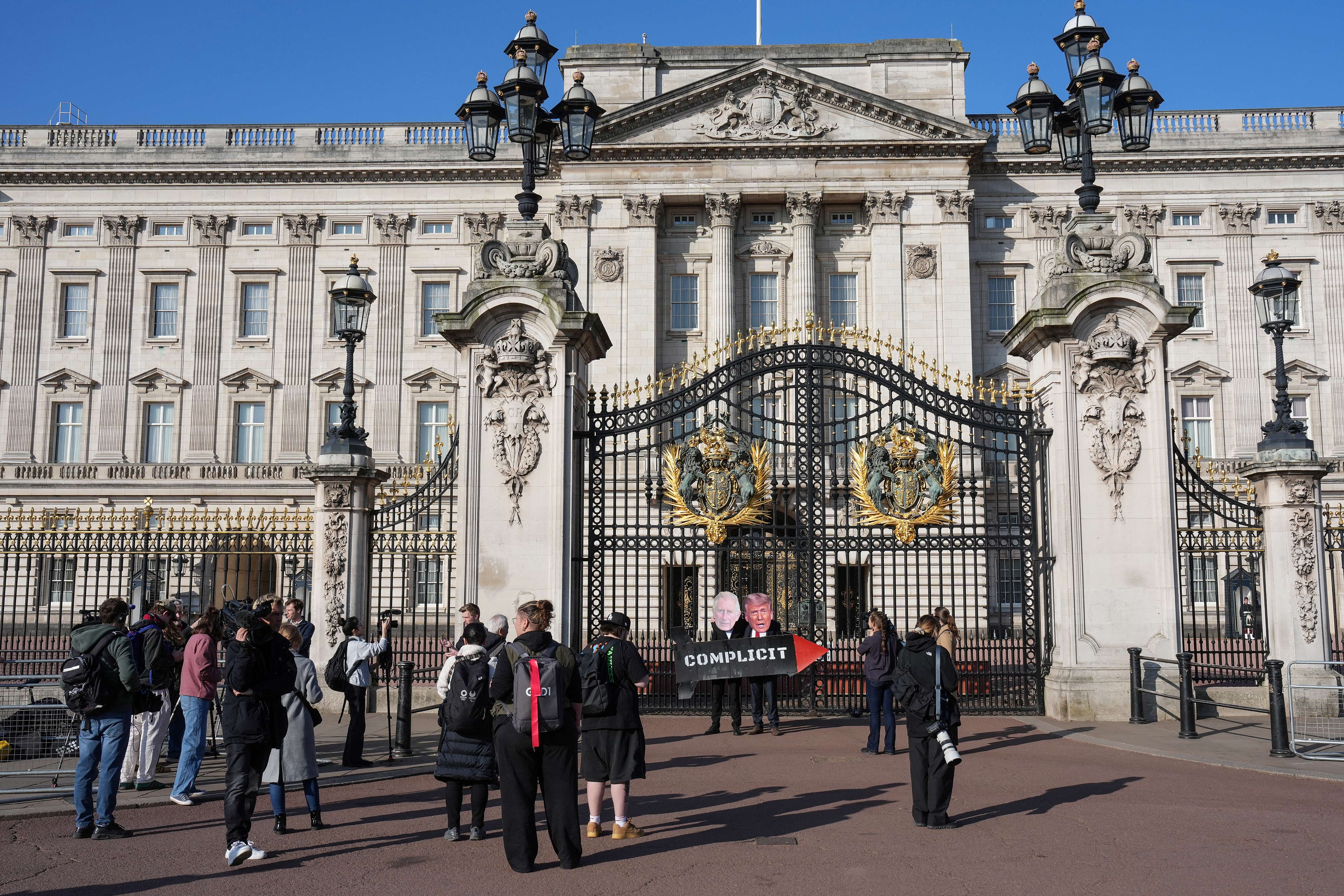
What is mansion tax?
Introduced by Rachel Reeves in her final Budget, the mansion tax will be placed on properties valued at over £2 million.
Owners of these properties will pay a regular annual charge, which will be added to their existing council tax bill.
The affected homeowners will be set back at least an extra £2,500, and £7,500 at most.
The property values will not be based on the last point of purchase, but rather on new valuations to be carried out by the Valuation Office. This will reflect their value in 2026.
These values will then be used to sort properties into one of four bands. Those worth £2 million to £2.5 million will have a surchage of £2,500; £2.5 to £3.5 million of £3,500; £3.5 to £5 million of £5,000; and those worth £5 million of £7,500.
KioskNews shows a cleaned-up reading view extracted from the publisher’s page — the original always lives on their site, not ours.