Guillermo Del Toro's 5 Star Classic Has The Best Final Shot In Fantasy Movie History

Richard Craig is a Senior Author at Screen Rant covering film and TV. Richard has also written extensively about horror and film soundtracks, contributing a chapter to the first major academic collection on the folk horror genre, The Routledge Companion to Folk Horror. Richard is also a performing musician and holds an MA in Music and Sound Art.
Guillermo del Toro has created some of modern cinema's most striking fantasy imagery, but one of his films saves its most powerful image for the final seconds. Rather than ending with a spectacular confrontation, a triumphant return, or an elaborate fantasy tableau, this five-star classic concludes with a tiny flower blooming on a seemingly dead tree. It is the kind of final shot that rewards viewers who pay close attention to everything that came before it.
The best fantasy endings recontextualize the whole story. A carefully chosen image can turn an apparently straightforward conclusion into something far more ambiguous, allowing audiences to debate whether what they witnessed was real, imagined, or something in between. Del Toro's approach is particularly effective because his fantasy worlds are rarely separate from the harsh realities surrounding his characters. His monsters and magical settings frequently expose truths that the real world attempts to conceal.
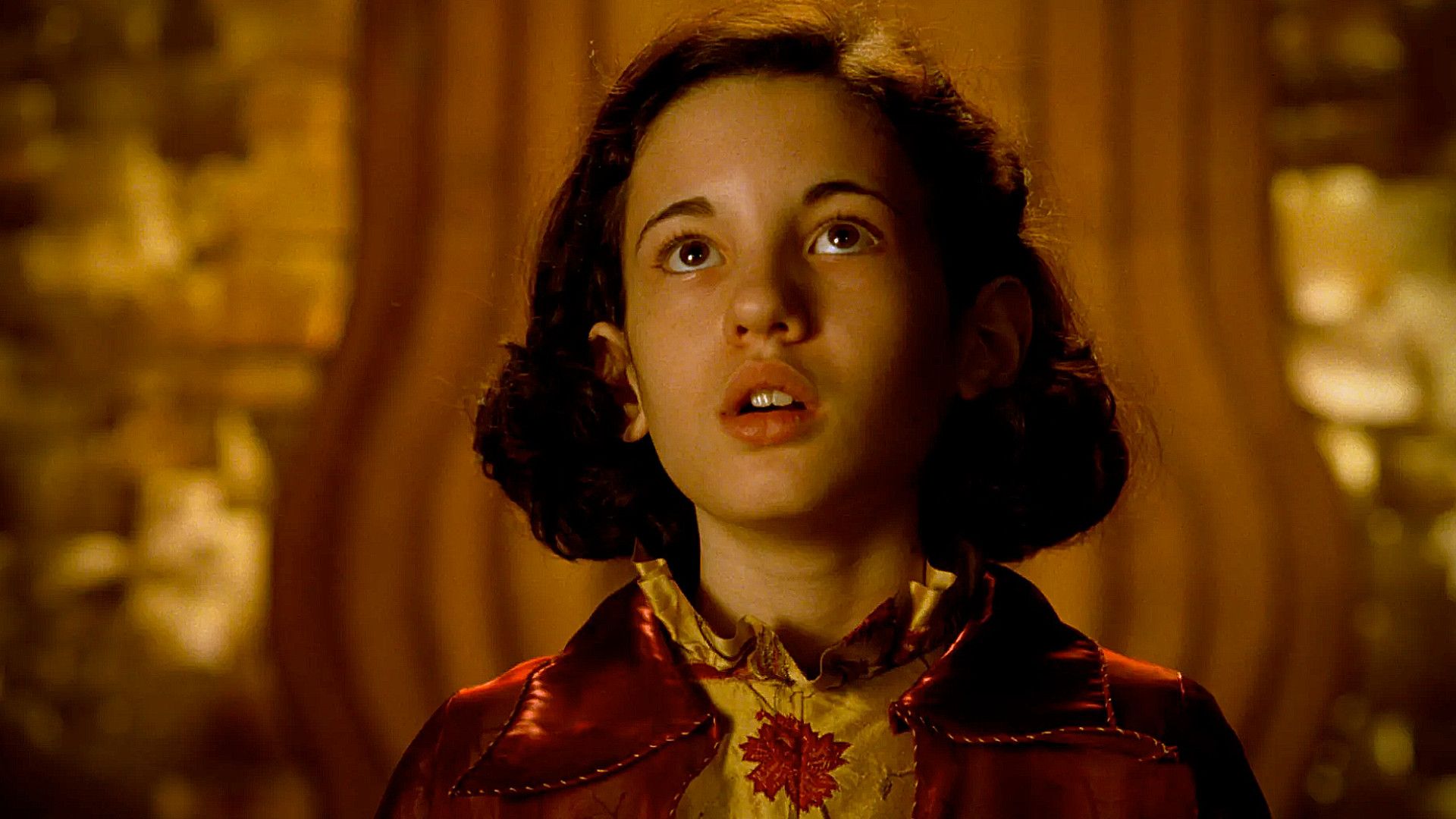
That philosophy reaches its most refined form in Pan's Labyrinth, Del Toro's 2006 Spanish-language dark fantasy set against the aftermath of the Spanish Civil War. The story follows young Ofelia as she retreats into a mysterious fantasy world while living under the increasingly brutal authority of Captain Vidal.
After Ofelia makes the ultimate sacrifice to protect her baby brother, Pan's Labyrinth appears to end with her death. Then Del Toro cuts back to the real world and reveals a single flower blooming from the dead fig tree where Ofelia previously completed one of her tasks. That final image is deceptively simple, but it may be the greatest final shot in fantasy movie history.
What The Final Shot Of Pan's Labyrinth Means

The final shot in Pan’s Labyrinth returns to the dead fig tree that Ofelia encountered during her first task. Earlier in the movie, the tree is being slowly poisoned by a giant toad living inside its roots. Ofelia crawls beneath its branches, confronts the creature, and removes three magical stones from its mouth, causing the toad to explode. When she returns to the tree, its condition has visibly improved.
The final image takes that earlier event and gives it a new significance. After Ofelia dies, the camera focuses on a single white flower blooming from the otherwise barren tree. The narrator explains that Princess Moanna left small traces of her existence in the human world, making the flower a possible physical remnant of Ofelia's supposed return to her underground kingdom.
The image is deliberately ambiguous, but Del Toro provides enough evidence for the magical interpretation to carry genuine weight. The flower should not be there. Ofelia's fantasy world has repeatedly been associated with physical objects and events, meaning the final bloom can function as one last piece of evidence that the Faun's world was not simply a child's invention.
It also connects to the bedtime story Ofelia tells her brother about a magical rose that grows at the top of a mountain. Anyone who reaches it can become immortal, but its thorns make the journey too dangerous for most people. Ofelia's own story follows a similar pattern. She cannot save herself, but she gives her life to protect her brother. The flower therefore becomes a visual representation of sacrifice. Ofelia dies, but something survives.
Why Pan's Labyrinth's Final Image Is So Perfect
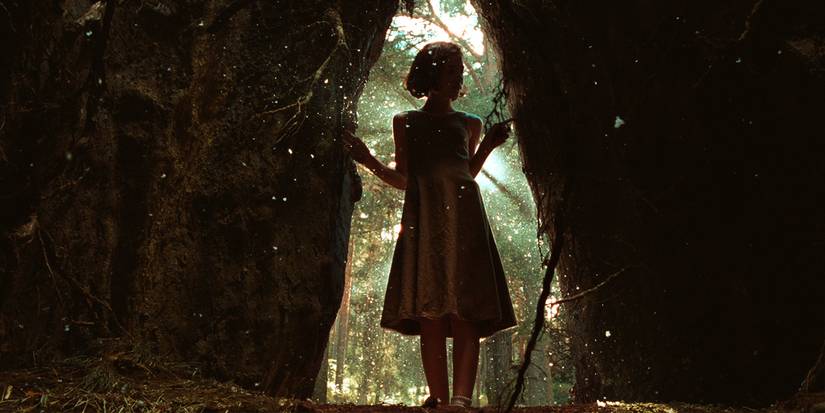
The greatest strength of the final shot is its restraint. Pan's Labyrinth contains elaborate practical creatures, enormous fantasy sets, disturbing horror imagery, and a lavish underground kingdom, yet Del Toro chooses none of those things for his final image. Instead, he focuses on a flower.
That decision makes the ending considerably more powerful. The flower is connected to Ofelia's first task, her belief in magic, and the story about the immortal rose. It also represents renewal after the destruction that dominates Pan's Labyrinth. The Spanish countryside has been transformed by violence, Vidal's regime has destroyed countless lives, and Ofelia herself has been killed. Yet the flower appears anyway.
The image also preserves Pan's Labyrinth's central ambiguity. If Ofelia's fantasy was entirely imaginary, the flower can be interpreted as a poetic expression of her influence and the possibility that her story has left something beautiful behind. If the fantasy was real, the flower is physical proof that she genuinely became Princess Moanna. Neither reading undermines the other.
That is especially important because Pan's Labyrinth constantly moves between two worlds without explicitly declaring which one is more real. Ofelia's fantasy experiences have rules, consequences, and recurring imagery, while the supposedly rational adult world contains some of the movie's most grotesque behavior. Captain Vidal's cruelty is far more horrifying than many of the supernatural creatures.
The final flower therefore reverses the expected hierarchy. The real world looks impossible to survive, while the fantasy world offers Ofelia a form of moral certainty. Yet Del Toro does not pretend that fantasy can undo death, and Ofelia remains dead. The flower offers hope without erasing tragedy.
Pan's Labyrinth Remains An All-Time Great Fantasy Movie
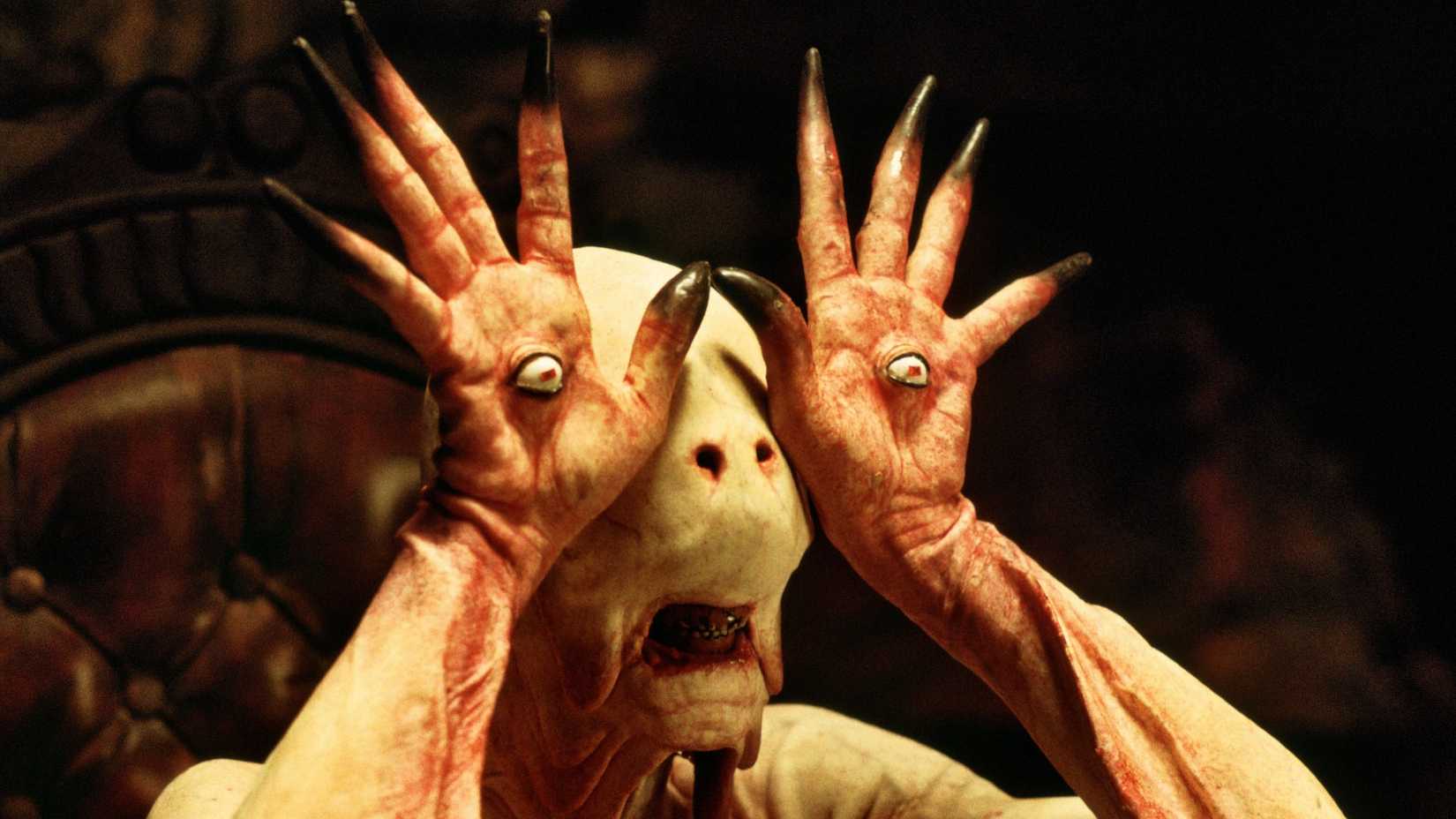
Pan's Labyrinth is still Guillermo del Toro's defining achievement because every major element serves the same thematic purpose. The fantasy creatures are not simply there to make the world more visually impressive. The Pale Man represents a horrifying abuse of power, the Faun occupies an intentionally uncertain moral position, and the giant toad provides Ofelia with a tangible obstacle that reflects the decay surrounding her.
Ofelia’s fascination with fairy tales never feels like a generic fantasy-movie device because her imagination develops in direct response to the cruelty of her surroundings. At the same time, Captain Vidal provides a terrifyingly grounded antagonist whose obsession with obedience makes the fantasy elements feel even more meaningful.
Del Toro's practical creature effects and production design also give the fantasy sequences an extraordinary physicality — particularly with Doug Jones' incredible performance beneath the make-up. The Faun and Pale Man are instantly recognizable more than a decade later, while the labyrinth itself provides an appropriately mysterious setting for Ofelia's increasingly dangerous tasks.
Yet the final flower may be the clearest demonstration of Del Toro's filmmaking philosophy. It takes an apparently insignificant detail from earlier in the story and transforms it into the final statement of the entire movie. The image does not need dialogue explaining exactly what audiences should believe. It simply blooms.
After everything Ofelia has endured, that tiny flower is enough. It suggests that innocence can survive violence, that sacrifice can have meaning, and that something beautiful can grow even after the world appears to have been destroyed. Considering Pan’s Labyrinth is built around the boundary between fantasy and reality, there could hardly be a more perfect final image.

- Release Date
- January 19, 2007
- Runtime
- 118 minutes
- Director
- Guillermo del Toro
-

Sergi López
Capitán Vidal
-

Ivana Baquero
Ofelia
- Writers
- Guillermo del Toro
- Producers
- Alfonso Cuarón, Bertha Navarro, Frida Torresblanco, Guillermo del Toro, Álvaro Augustin
KioskNews shows a cleaned-up reading view extracted from the publisher’s page — the original always lives on their site, not ours.