Consultant doctors strike over pay: ‘We are not being valued’
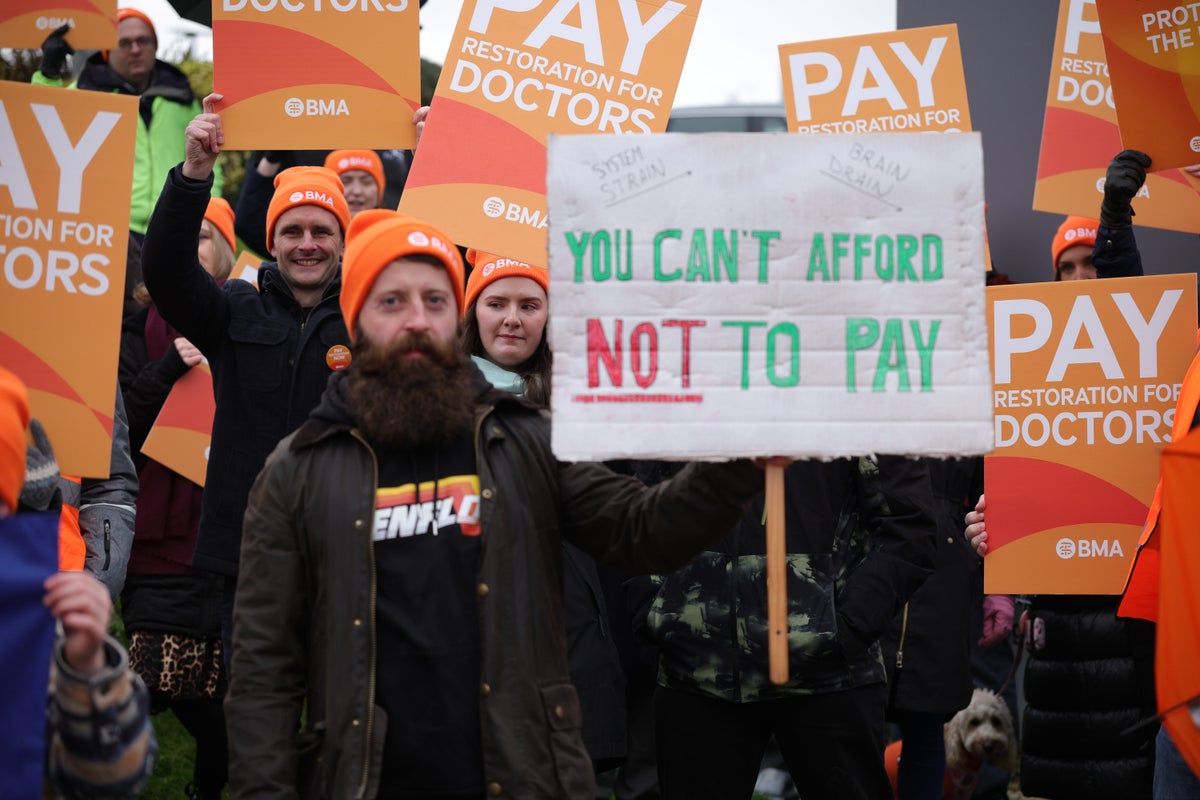
Consultants and specialist doctors began a 24-hour strike on Monday as part of the ongoing dispute, warning that health services in Northern Ireland are “falling down around us”.
The walkout follows a similar full-day action by resident doctors on Friday.
Doctors across Northern Ireland are still waiting for this year's pay rise recommended by the Review Body on Doctors' and Dentists' Remuneration (DDRB), even though it has already been implemented in England, Scotland and Wales.
That delay sits at the centre of a dispute over the long-term erosion of doctors' pay, as union leaders describe it.
The BMA NI is seeking a commitment from the Department of Health to work towards full pay restoration.
It is the second strike of its kind this year, after specialist (SAS) and consultant doctors in the region went on strike in June over pay.
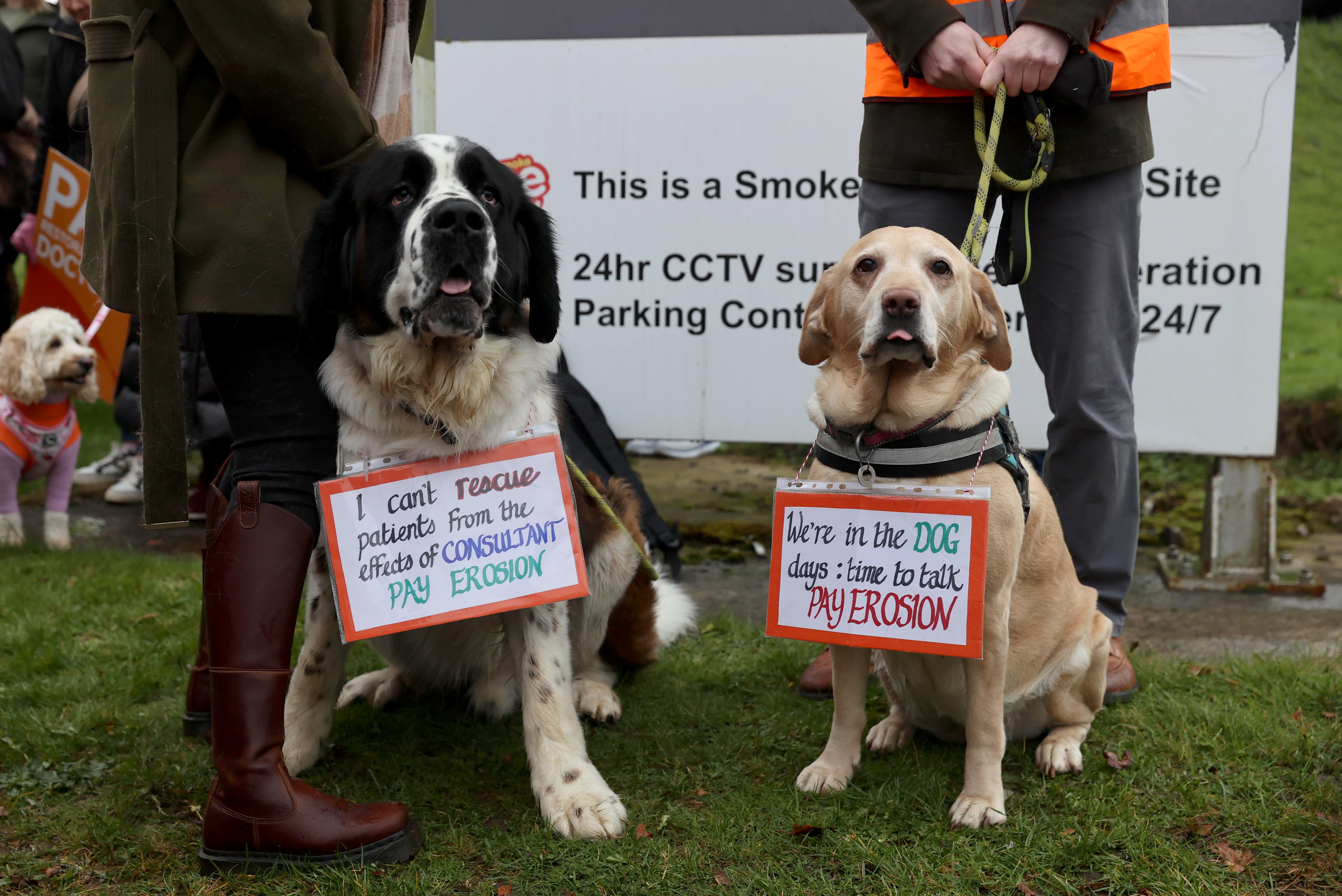
Doctors were on the picket line at the Ulster Hospital in Belfast on Monday.
Clodagh Corrigan, a specialty doctor in emergency medicine in Daisy Hill Hospital in Newry, said it was time for doctors to “stand up”.
“We are out on strike today because of years and years of pay erosion,” she said.
“Our pay now compared to what it was in 2008 is roughly worth about 25 per cent less.
“All of the health service and all of the public sector in general faced pay cuts back in 2008 with austerity.
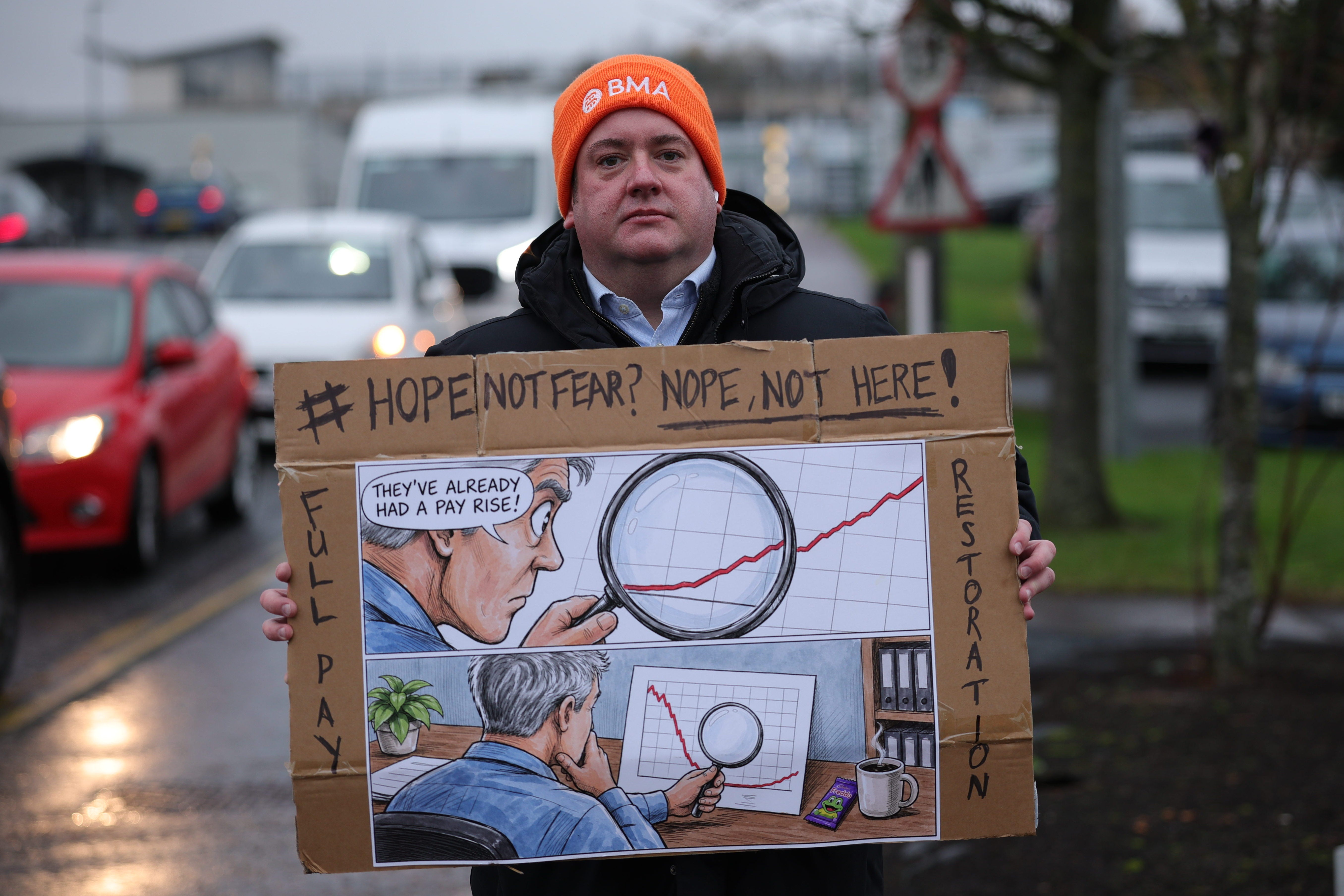
“Doctors and hospital doctors in particular have been the hardest and the longest cut.
“We are not being valued; our services are falling down around us. We need to stand up.
“The time has come that if we do nothing, we will have nothing to go back to.”
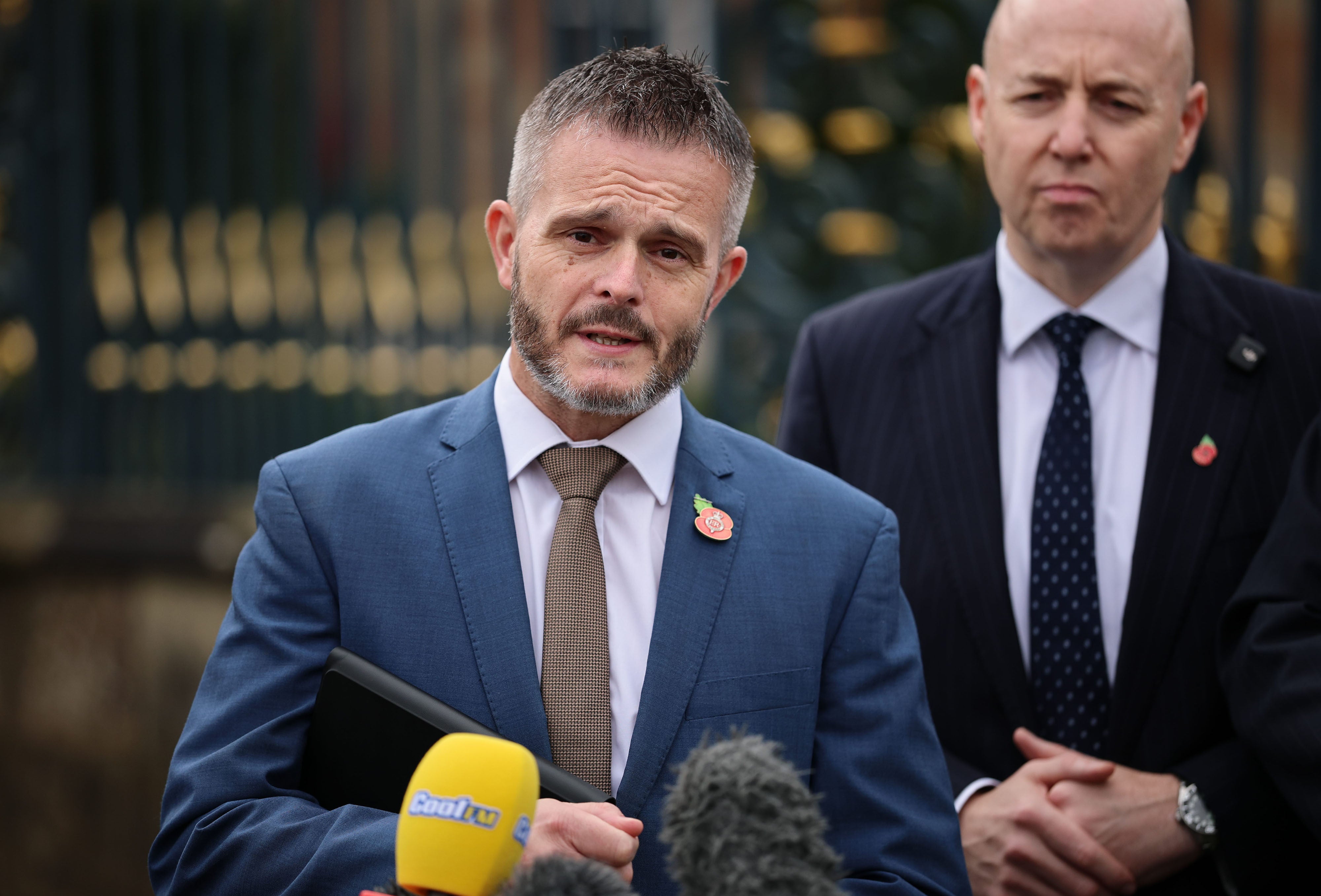
Dr David Farrren, BMA NI Consultants Committee chairman, said doctors “do not take strike action lightly” so the fact they are walking out for the second time in a year demonstrates the strength of feeling.
“What we need now is for the health minister and his department to engage with us urgently so we can begin to make meaningful progress and establish a credible route towards restoring doctors’ pay,” he said.
“It is shameful that the minister has not tried to engage with us at all in the lead up to the strikes, despite us writing to him in October urging him to open talks with us.
“It was totally in his remit to avert the strikes taking place. The fact we are back on the picket line is a reflection on him, not doctors.”
Health Minister Robbie Butler said he will do “everything in my power” to implement the DDRB pay uplift, but that he has met the BMA and “outlined the financial constraints” facing his department.
“My door remains open but, to be clear, going beyond the 3.5 per cent as recommended by the independent pay review body would have significant repercussions for nurses, teachers, police officers and indeed the entire public sector workforce,” he said.
“It is my intention to progress the recommended pay award as soon as possible, however I am currently unable to do so in the absence of a sufficient budget being agreed for my department.
“When similar strike action took place over two 24-hour periods in June, over 2,200 appointments were cancelled across the system.
“The industrial action planned … will have real consequences for patients, waiting lists and service delivery, especially during the busy winter period.”
KioskNews shows a cleaned-up reading view extracted from the publisher’s page — the original always lives on their site, not ours.