3 Game Boy Color RPGs Still Worth Playing In 2026

Sharmila is an engineer-turned-gaming hardware journalist and freelance contributor at ScreenRant who has been covering the gaming and tech industry since 2021. While she first built her expertise writing about video games, she has since pivoted towards gaming hardware, with a focus on PC components, peripherals, handhelds, and performance-driven tech. When she’s not testing gear or writing about the latest hardware trends, she can usually be found diving into competitive shooters or keeping up with the evolving esports scene.
The Nintendo Game Boy Color might feel dated in 2026, but its RPG library still has plenty to offer. Despite the console’s limited hardware, developers managed to create memorable adventures built around exploration, turn-based combat, and character progression. Some of these games remain enjoyable long after their original release, whether you’re revisiting childhood favorites or discovering them for the first time.
Not every Game Boy Color classic has aged well, and outdated mechanics and repetitive challenges can make many older RPGs difficult to enjoy today. The best ones, however, give you a reason to keep playing, whether that’s about building a stronger party, uncovering secrets, or seeing what lies beyond the next town. Fortunately, you don’t need to search through the console’s entire catalog to find a worthwhile adventure, as these hits all remain great today.
Pokémon Crystal

Released for the Game Boy Color in 2000, Pokémon Crystal remains one of the best ways to experience the series’ second generation. Building on Pokémon Gold and Silver, it introduces several improvements that make returning to Johto worthwhile—and if you ask me, even in 2026.
The biggest addition is the Suicune storyline, which gives the legendary Pokémon a more prominent role in the adventure. Rather than simply encountering it during your travels, you'll follow its movements across Johto while learning more about its connection to the region. Crystal also introduced animated Pokémon sprites during battles, giving encounters a little more personality than in its predecessors.
The core gameplay holds up remarkably well. Catching Pokémon, experimenting with different team combinations, and challenging Gym Leaders remain satisfying, particularly if you enjoy the slower pace of older entries. The game also lets players choose a female protagonist for the first time in the main series, an important addition that makes Crystal stand out among its contemporaries.
There’s plenty to do after defeating the Elite Four, too. Players can travel to Kanto, challenge its Gym Leaders, and eventually face Red, the protagonist of Pokémon Red and Blue. The Battle Tower offers another challenge for those who want to test their teams.
All that said, Pokémon Crystal lacks many conveniences found in modern Pokémon games, and its battle animations can feel slow. However, its two-region adventure, memorable Pokémon roster, and straightforward progression make it an easy recommendation for anyone who enjoys classic monster-catching RPGs.
Dragon Warrior 3
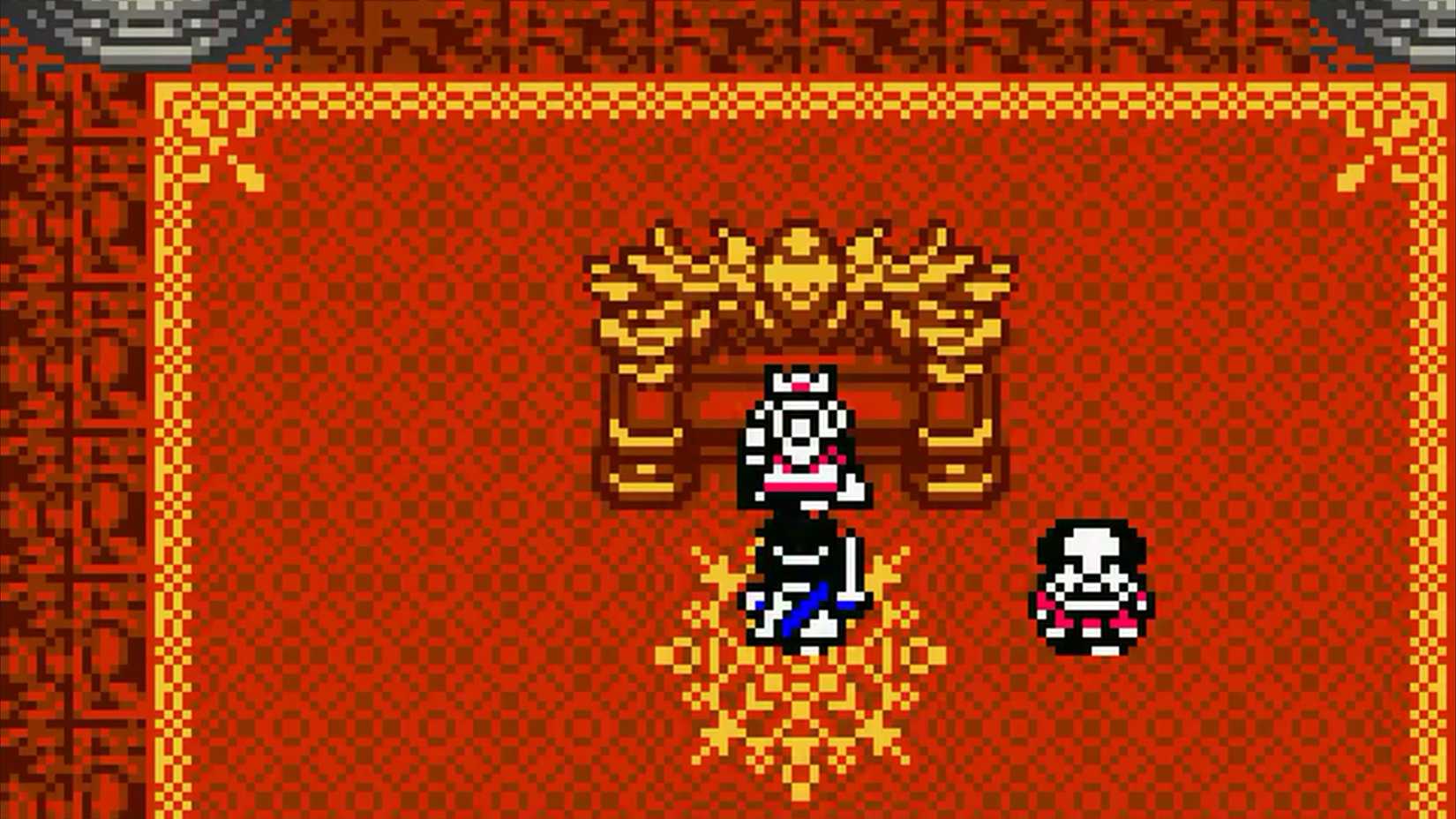
Some RPGs make you feel like you’re going on an adventure in real life, and Dragon Warrior 3 is a great example. Released for the Game Boy Color in North America in 2001, this version of Enix’s classic JRPG offers a surprisingly large world to discover on a handheld console.
You play as the child of Ortega, a legendary warrior who disappeared while trying to defeat the archfiend Baramos. On your 16th birthday, the king sends you on a quest to finish what your father started. What follows is a lengthy journey filled with dangerous monsters, unfamiliar towns, and dungeons waiting to be explored.
The best part is the freedom you get when building your party. You can recruit companions with different vocations, including warriors, priests, and mages, each bringing their own strengths to combat. You can also change a character’s vocation as you progress, giving you plenty of room to experiment with different party combinations.
Combat uses a traditional turn-based system, so you'll spend your time choosing attacks, casting spells, and managing resources rather than relying on quick reflexes. It rewards preparation, especially when you encounter tougher enemies. The Game Boy Color version also includes additional content, such as a bonus dungeon and collectible monster medals, which give you more reasons to keep playing after the main adventure.
The visuals are simple here, but the colorful environments and memorable monster designs looked great for a console like the Game Boy Color. If you enjoy classic JRPGs with plenty of exploration and meaningful party customization, Dragon Warrior 3 remains a rewarding Game Boy adventure you can enjoy even in 2026.
Lufia: The Legend Returns

If you’ve exhausted the top two recommendations on this list, check out Lufia: The Legend Returns. This often-overlooked Game Boy Color RPG offers a lengthy fantasy adventure, strategic battles, and a dungeon that can keep you occupied long after the main story ends.
Released in North America back in 2001, Lufia: The Legend Returns takes place a century after events of Lufia & the Fortress of Doom. The Sinistrals, powerful beings threatening humanity, have returned, so you follow Wain, a young adventurer who joins the fight against them, traveling through towns and dungeons while uncovering the threat facing the world.
The battle system is one of this game’s biggest standouts. You can assemble a party of up to nine characters and arrange them on a three-by-three grid. Positioning affects how characters perform in combat, making party placement an important part of your strategy.
The number one attraction, however, is the Ancient Cave. This massive, randomly generated dungeon contains 200 floors filled with enemies, equipment, and increasingly difficult challenges. Exploring it requires careful resource management, and its unpredictable layout makes repeated runs feel different.
Of course, the game has its limitations. Random encounters can become repetitive, and its graphics are constrained by the Game Boy Color’s hardware. Still, the battle system and Ancient Cave make it incredibly engaging, even today. If you want an RPG with a substantial story and plenty of optional challenges, Lufia: The Legend Returns deserves a spot on your Game Boy Color playlist in 2026.

- Original Release Date
- October 21, 1998
- Original MSRP (USD)
- $79.95 / £69 / ¥6,800
- Processor
- Sharp SM83 @ 4.2 / 8.4 MHz
- Resolution
- 160x144
- Ports
- AC, Game Link, headpone jack
- Weight
- 138 g
KioskNews shows a cleaned-up reading view extracted from the publisher’s page — the original always lives on their site, not ours.