Your backyard could hold a rare earth fortune – and this orange lichen is the clue
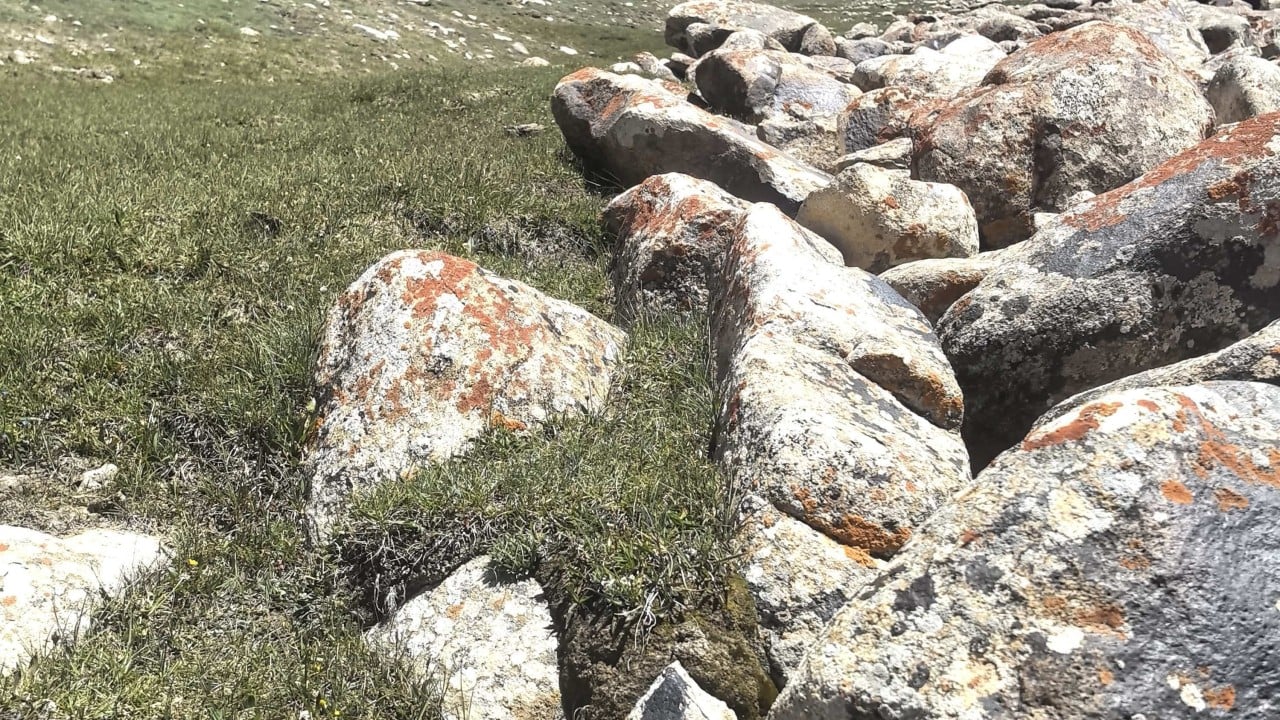
Next time you spot a vivid orange-yellow crust spreading across a rock in your garden, on a country wall or along a hiking trail, take a closer look – you might be standing on a fortune.
A Chinese research team has found that a humble lichen could serve as a visible field indicator of unknown rare earth deposits around the world.
The researchers said the lichen’s distinctive colour made it easy to spot on exposed rock, and the discovery could be combined with unmanned aerial vehicles and hyperspectral remote sensing to screen large areas for potential rare earth-bearing carbonates.
Chinese scientists have spent decades trying to identify biological indicators that could help locate mineral deposits.
“This is the second time Chinese scientists have discovered a similar indicator – the first was copper grass in the 1950s – and both are original scientific discoveries in mineral exploration,” said Professor Li Yang of Peking University and the Chinese Academy of Sciences on August 17.
The study, titled “Lichen as a Potential Exploration Tool for Rare Earth Element – Enriched Carbonatites”, was published in the peer-reviewed journal Economic Geology on July 27.
KioskNews shows a cleaned-up reading view extracted from the publisher’s page — the original always lives on their site, not ours.