Inside the Rothko Chapel: The story of Mark Rothko’s spiritual masterpiece
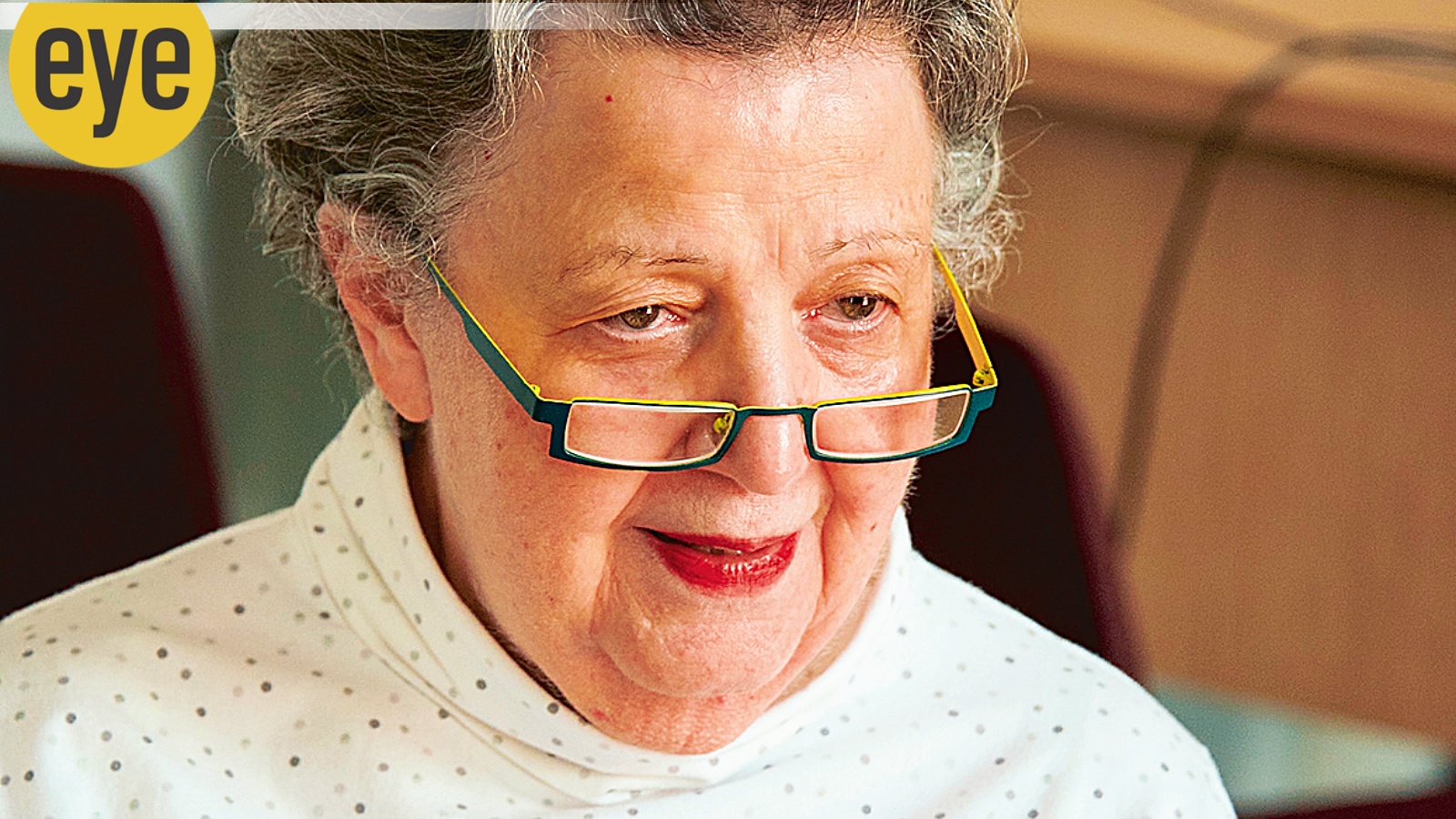
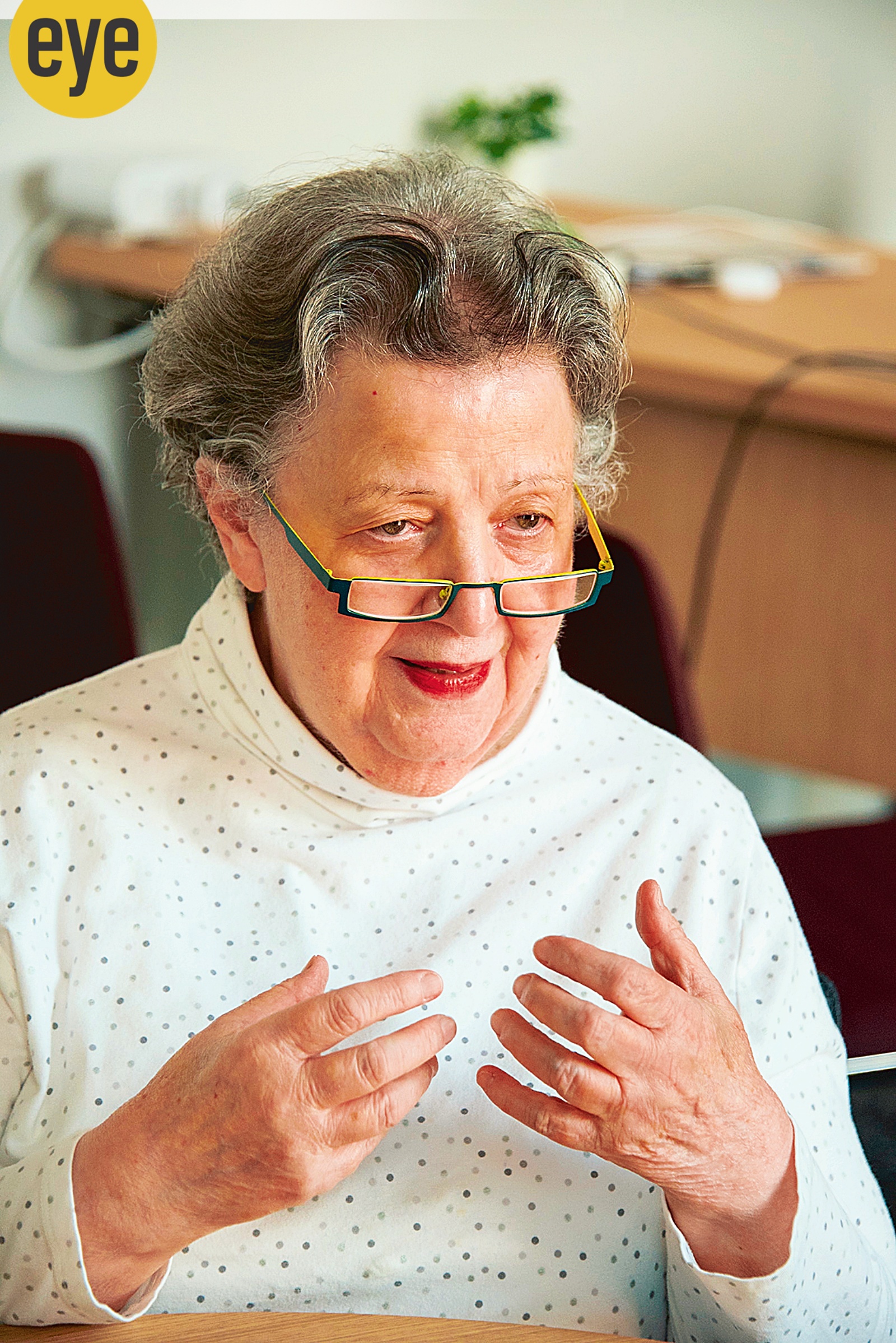 Suna Umari (Ina Puri/ Rothko Chapel)
When the de Menils visited Mark Rothko in his studio in 1964, the first time, they found themselves whispering, as if they were in the presence of some divine spirit. Such was the power of his paintings. This was a feeling that deeply resonated with me, sitting in the quiet and darkened space of the Rothko Chapel, when I first visited the place, surrounded by the luminous and beautiful canvases of the artist. My own experience was unforgettable. Serendipitously, I had an opportunity to meet with Suna Umari, retired historian and archivist of the chapel a few days later, and it was then that I learned how the meditative space came to be built, and of her own associations with the de Menil family.
John and Dominique de Menil, lay Catholics who commissioned the chapel, wanted it taken seriously across faiths. In the early 1970s, the French couple personally travelled across Europe to Africa and as far as India to introduce their ideas to religious leaders and thinkers. The de Menils possessed incredible wealth but with it came a deep sense of responsibility, and the intelligence, the education, and the aesthetics to use it well. Their legacy is not only the chapel itself but the fact that a place of such quiet transcendence exists at all, open every day of the year, without ticket or fee, for anyone who walks in.
Excerpts from the interview:
Ina Puri: The de Menils travelled to India in the early 1970s. What were they looking for?
Suna Umari: The purpose of those trips was to introduce the idea of the Rothko Chapel and see if there would be acceptance. They felt, ‘Who are we, as lay Catholics, to create a chapel?’ So the solution was to reach out to different traditions and tell them what their purpose was. They went across Europe, Africa, the Middle East, Iran, and as far as India. They met the Dalai Lama in India who promised to come to the Rothko Chapel when the United States would give him a visa. In 1979, he was finally able to get one and he came.
Tell us about the de Menils.
They had a rare combination — incredible wealth but a deep sense of responsibility towards it. They wanted to use it with meaning and purpose. And they had the intelligence, the education, the aesthetics. When the chapel opened in 1971, modern art was not popular in Houston. For local people, this was not a place they were interested in. The de Menils wanted to give even the Broken Obelisk, the Corten steel sculpture by Barnett Newman, to the city but Houstonians declined. So the de Menils bought it and placed it here.
What made them choose Rothko for the chapel?
They wanted to honour a contemporary artist. Father Couturier, a Dominican priest, had pushed the idea of bringing contemporary artists back into conversation with the religious community. He said we need a modern sanctuary. The Sistine Chapel is beautiful but people don’t relate to God as a bearded man on a throne anymore. The de Menils came with that conviction. When they met Rothko, they found a deep thinker on a quest to express the predicament of man artistically. They were on a search too, to create a place that would speak to a modern person. He fit.
Story continues below this ad
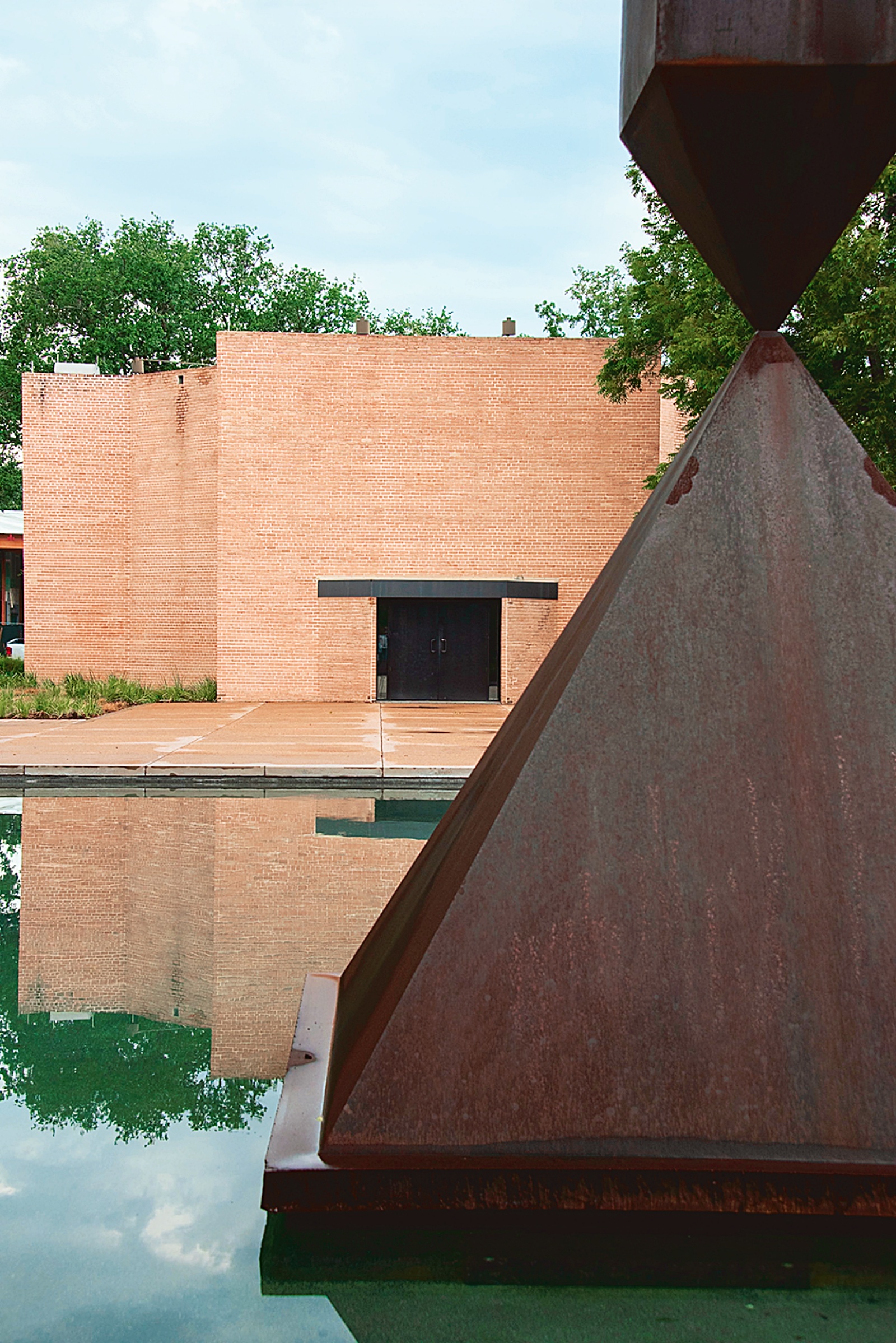 The Rothko Chapel, foregrounded by Barnett Newman’s Broken Obelisk (Ina Puri/ Rothko Chapel)
And he designed more than just the paintings?
Unlike other artists, he created the space as well as the art. He wanted an eight-sided room. He wanted natural light. He said, ‘When the sun sets, it’s over. You close the chapel.’ With natural light, there’s depth, a play of light. A cloud comes by and there’s drama. Electric lights kill that immediately.
Every detail was thought out: the floor, the barriers, how many inches from the floor each painting would be put up. He never came to Houston. He was terrified of flying. He built mock walls of the exact dimensions in his studio and worked from there.
You yourself came to the chapel from very far away.
Story continues below this ad
I grew up in Lebanon, in a multicultural environment. I studied anthropology at the American University of Beirut, with a focus on religion. I worked for UNICEF in Abu Dhabi, doing research with women in the Gulf. I went to Iran and was there during the revolution of 1978-79. I went back to Beirut but the civil war was on, and I was going through a divorce with a seven-year-old son. My father knew the de Menils and Dominique offered me a job helping with a colloquium on Islam. That was my entrance. I stayed 33 years.
In 1978, you had the Whirling Dervishes perform inside the chapel.
The minute they walked in, they said, ‘This is a place where we whirl’, because their own place is an eight-sided room. It was like they came home. There’s something very powerful when they whirl in the chapel. Very different from anywhere else.
What has the chapel become over the years?
Primarily, it’s for meditation and prayer, and for people who don’t have a place of worship. Buddhists, Hindus, Zoroastrians and Muslims have all used it. When the Zoroastrians use it, it becomes a Zoroastrian temple. When the Muslims use it, it becomes their mosque. It transforms, because there is no symbolism inside. It has become neutral ground. After 9/11, thousands would visit in a single day to just sit quietly.
KioskNews shows a cleaned-up reading view extracted from the publisher’s page — the original always lives on their site, not ours.