Groups urge delay, consultations before Metro Manila NCAP return
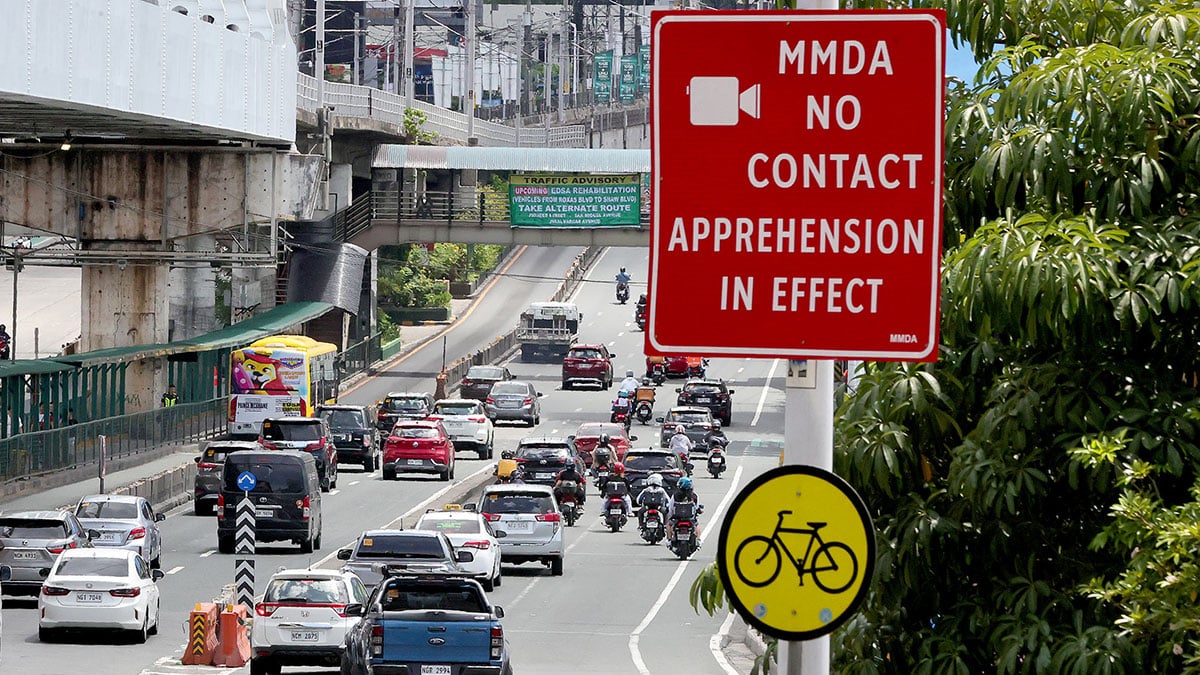
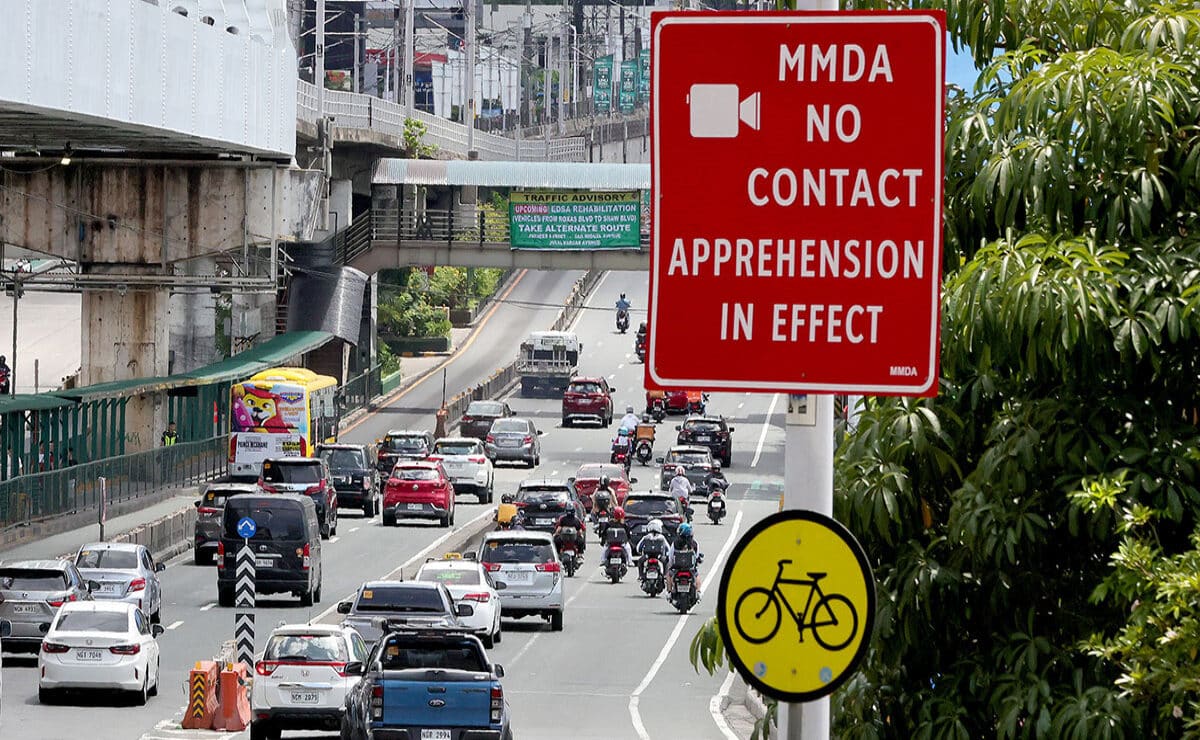
MANILA, Philippines — Transport and commuters’ groups are urging six Metro Manila local government units (LGUs) to delay or clarify the return of the no-contact apprehension policy (NCAP) on Oct. 5, citing concerns over implementation, due process and added costs for motorists.
The policy will cover Manila, Muntinlupa, Parañaque, Quezon City, San Juan and Valenzuela.
Transport group Manibela urged the LGUs to defer implementation, citing high fuel prices and rising costs of goods and services.
Article continues after this advertisement
“We are calling on all local government units (LGUs) implementing the NCAP to temporarily suspend its enforcement due to the ongoing oil crisis, with fuel prices remaining high,” Manibela said in a statement.
FEATURED STORIES
NEWSINFO
NEWSINFO
NEWSINFO
READ: No contact apprehension policy back in effect in 6 NCR cities
“This is on top of the rising cost of goods and services, which is already placing a burden on motorists and the public,” it added.
Manibela also called for public consultations on how motorists, particularly public utility vehicle drivers, would be apprehended and how violations would be adjudicated.
The group questioned the possible involvement of private contractors and whether LGUs would impose higher penalties to recover the cost of NCAP equipment.
Article continues after this advertisement
NCAP uses CCTV and digital camera footage to identify traffic violators, with citation tickets sent to vehicle owners.
The Lawyers for Commuters Safety and Protection (LCSP) likewise urged LGUs to consult stakeholders before implementing their respective NCAP systems.
Article continues after this advertisement
LCSP questioned how the local systems would fit into the uniform traffic-enforcement framework under the Metro Manila Traffic Code of 2023, with the Metropolitan Manila Development Authority (MMDA) already implementing NCAP.
READ: Supreme Court junks petitions vs NCAP
The group also raised concerns over due process and the possible involvement of private contractors in operating the systems.
“LGUs should first clarify whether the NCAP they are implementing involves a private contract provider that will earn from the fines paid by motorists,” LCSP said.
LCSP president Ariel Inton said NCAP could be “doing more harm than good” if its rules and enforcement framework remained unclear.
“We will implement something without fixing the framework of the rules. There are so many roads under construction, and experiencing floods right now, this is not the time to add hardships to our drivers,” Inton told the Inquirer.
The Supreme Court recently dismissed petitions challenging NCAP ordinances, saying the issues had become moot following the adoption of the Metro Manila Traffic Code of 2023.
The court clarified, however, that the dismissal did not rule on the validity of the challenged NCAP issuances and that future challenges could be filed if the revised system gives rise to an actual controversy.
Manibela said stakeholder consultations were needed before NCAP enforcement resumes.
Your subscription could not be saved. Please try again.
Your subscription has been successful.
“There needs to be a consultation with the stakeholders before the implementation of NCAP so that the system will be clear,” it said./ja
KioskNews shows a cleaned-up reading view extracted from the publisher’s page — the original always lives on their site, not ours.