Why NITI Aayog wants stricter power, water checks before approving data centres
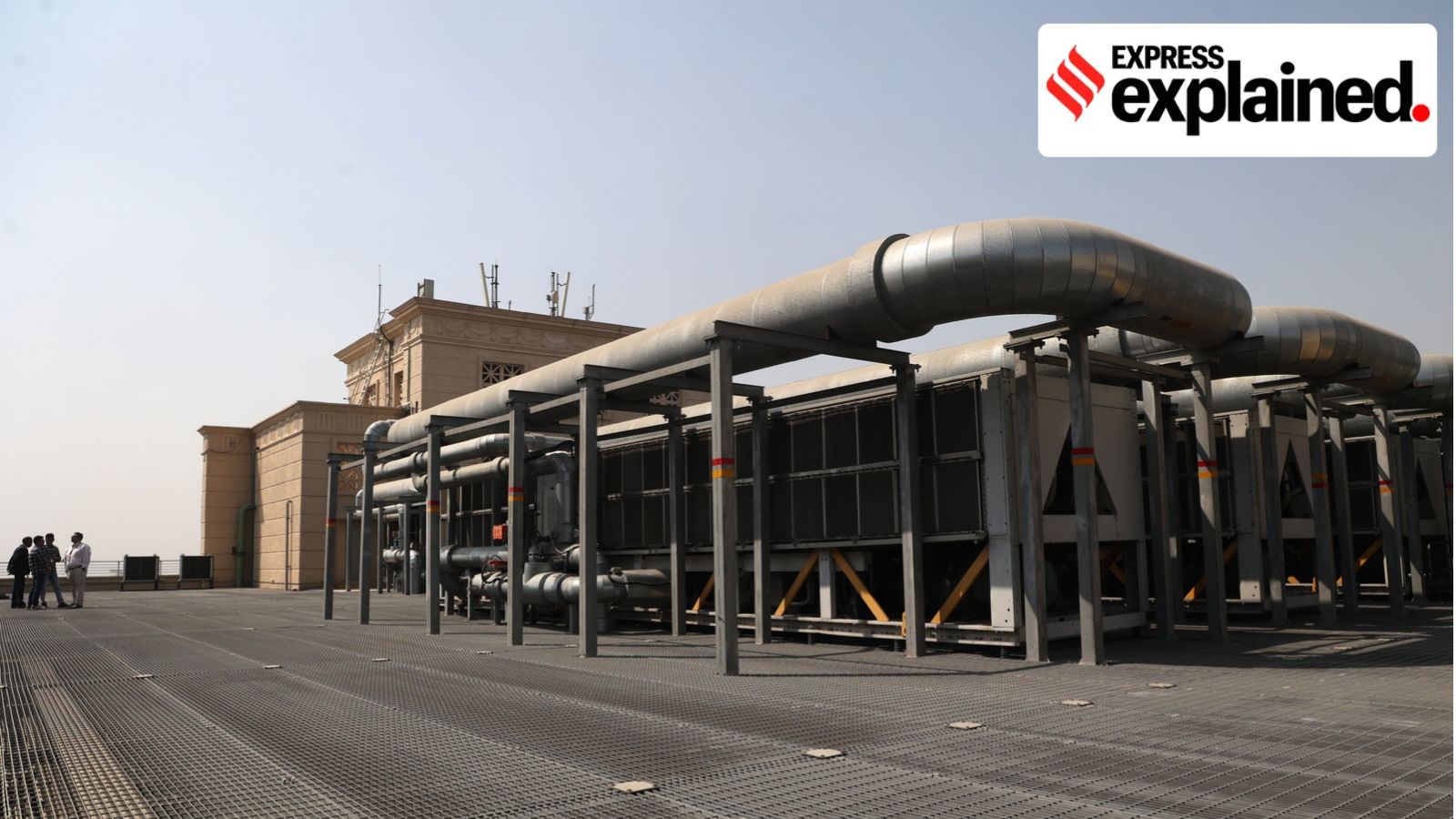
As India prepares a dedicated policy for data centres amid growing investments in AI infrastructure, a framework prepared by NITI Aayog’s Frontier Tech Hub has proposed that states assess projects based on electricity and water availability, environmental safeguards and measurable economic benefits, rather than investment commitments alone.
The framework calls for data-centre developers to demonstrate that electricity grids can support their proposed capacity before receiving approvals, with additional electricity loads sanctioned only after necessary infrastructure upgrades have been completed. It also recommends linking state government incentives to actual economic benefits, including employment, local procurement and investments in renewable energy.
The proposals come as large data centres being developed by technology companies such as Amazon and Google have faced opposition from local communities over concerns about their electricity consumption, water requirements and environmental impact.
What does the framework propose for electricity consumption?
The framework recommends that developers, electricity distribution companies (DISCOMs) and state transmission utilities jointly prepare a Power Readiness and Ramp-up Plan before projects are approved. This would detail total electricity requirements, sanctioned capacity, year-wise electricity availability, infrastructure upgrades and the agencies responsible for their implementation.
For data centres with electricity requirements above 20 megawatts (MW), it proposes mandatory automated demand-response readiness and integration with State Load Dispatch Centres, which manage electricity supply and demand across state grids.
Developers should bear the cost of infrastructure built exclusively for their projects, while the cost of shared grid upgrades should be distributed among beneficiaries. Additional load should be approved only after the necessary infrastructure has been commissioned.
The framework also calls for reporting electricity and carbon efficiency, assessing alternatives to diesel generators, and encouraging renewable energy backed by storage. Claims that renewable energy or battery storage will reduce electricity drawn from the grid should be recognised only after the relevant infrastructure is operational and verified.
Story continues below this ad
“The framework encourages States to plan infrastructure ahead of demand, identify resource constraints early and link incentives to measurable outcomes — including employment, skilling, domestic procurement, innovation and resource efficiency,” said Debjani Ghosh, distinguished fellow at Niti Aayog.
“The objective is not more regulation, but better decisions, smarter incentives and faster, more predictable execution…do that India is not just the best place to build data centres, but the best place to sustain them — without compromising people or planet,” she added.
How should states decide whether to incentivise data centres?
Rather than assessing projects solely on the basis of investment commitments, the framework proposes that states calculate their net economic contribution after accounting for government support.
This would involve separately quantifying subsidies and assistance related to land, electricity, infrastructure, duties and capital expenditure, and comparing these with the project’s fiscal contribution, employment generation, local procurement, research and development, and skilling benefits.
Story continues below this ad
It also recommends differentiating between data centres that primarily provide physical infrastructure, such as colocation facilities, and those offering cloud computing, GPU computing and managed hosting services.
Government incentives should be disbursed against measurable milestones, including project commissioning, renewable-energy usage, electricity and water efficiency, domestic procurement and employment generation. The framework proposes reporting requirements and provisions for suspending incentives if commitments are not met.
What does it say about water use and environmental safeguards?
States should prepare a 20-30-year assessment of water availability, covering groundwater, surface water, municipal supply, treated wastewater and competing demands from households and agriculture.
Story continues below this ad
The framework says water allocations to data centres should not reduce dependable supplies for existing users. In water-stressed locations, it recommends independent validation of water sources, metering, periodic reporting and greater use of treated wastewater.
States should also identify designated data-centre-ready zones and mark out environmentally vulnerable areas where development should be restricted. Large campuses should undergo community impact assessments covering water, traffic, emissions, noise, waste and local employment.
The framework also proposes a centralised audit mechanism, with MeitY as the nodal ministry, to periodically verify compliance and commitments made by data-centre operators.
Why has the issue become important in India?
India is witnessing a rapid expansion of data centres as global technology companies invest in infrastructure supporting cloud computing and artificial intelligence.
Story continues below this ad
According to real estate consultancy JLL, India’s data-centre capacity stood at approximately 1.6 gigawatts in mid-2026 and could reach 6 GW by 2029, requiring an estimated $110 billion in investments.
Google has announced a $15-billion AI infrastructure investment in Visakhapatnam, while Amazon and Microsoft are expanding their data-centre presence in India.
On Wednesday, October 14, Union Minister of State for Electronics and IT Jitin Prasada said India was working on a dedicated data-centre policy, expressing concern that growing electricity demand could increase costs for ordinary consumers.
“India is a very fertile ground for hyperscale data centres,” Prasada said, adding that data centres in some countries were taking electricity away from consumers, who were consequently paying more. “We don’t want to get into that,” he said.
Story continues below this ad
The minister did not specify when the policy would be announced or what it would contain.
Why are some data-centre projects facing opposition?
Residents near Amazon’s proposed 53-acre data centre in Thane have protested against its location in a residential neighbourhood, raising concerns about electricity demand, water availability, noise and pollution. The facility has a planned electricity requirement of 422 MW and provisions for 193 backup diesel generators. Amazon has maintained that it will use closed-loop cooling without consuming water for cooling and draw electricity through a dedicated high-voltage connection.
Environmental groups have similarly challenged Google’s Visakhapatnam project over concerns about water shortages, wildlife and land use. Google has said it will use technologies intended to minimise its environmental impact.
These protests echo resistance in parts of the US and Europe, where communities have questioned the impact of data centres on electricity grids, water resources and local infrastructure.
KioskNews shows a cleaned-up reading view extracted from the publisher’s page — the original always lives on their site, not ours.