From Kimi Antonelli To Vaibhav Sooryavanshi: How Young Champions Can Create Next Generation Of Sports Fans
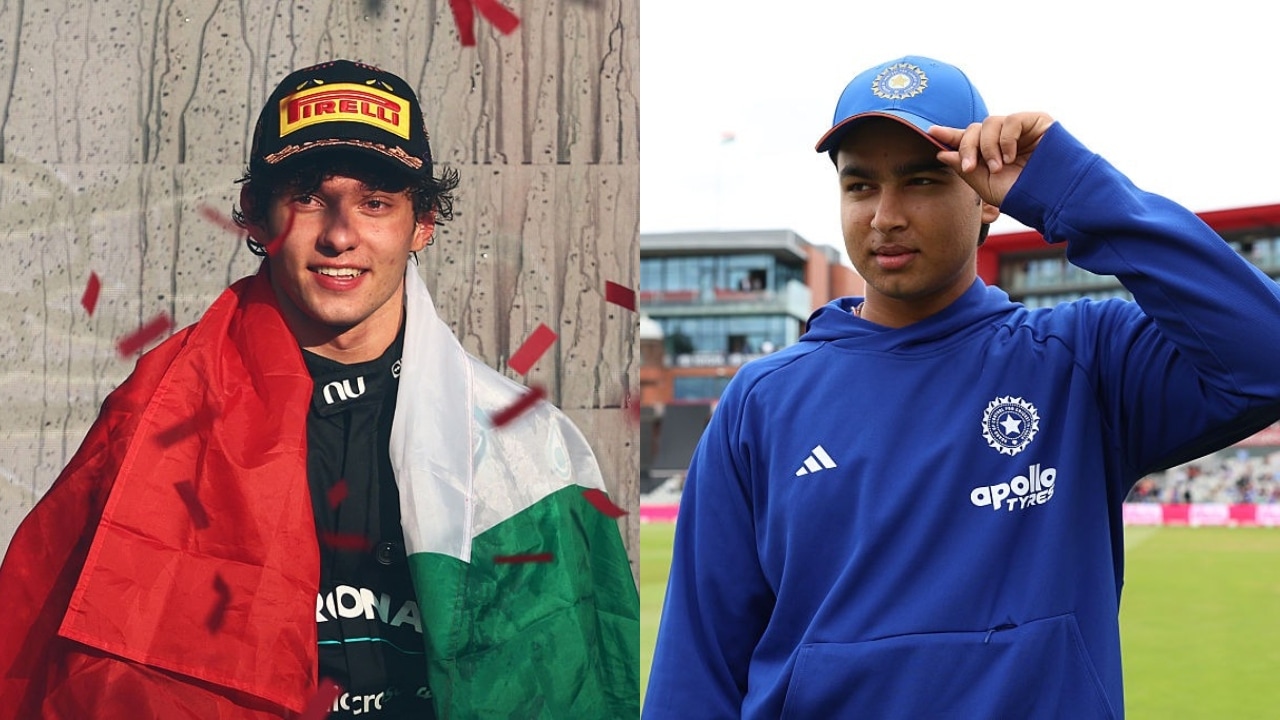
Every sport needs new heroes. And when a teenager or a young prodigy breaks through to the very top, the impact can go far beyond trophies and records. It can reshape audiences, attract commercial interest and give the ecosystem of the sport a new lease of life. Kimi Antonelli, who became the youngest-ever Formula 1 world champion shortly after turning 20 in August, is one such example. At an age when most youngsters are still figuring out their careers, the Italian has conquered the pinnacle of motorsport, taking on some of the world's most accomplished drivers and emerging as a world champion.
Advertisement - Scroll to continue
But while the record books will celebrate his age and achievement, there is another dimension to Antonelli's success that deserves attention: what it could mean for the future of Formula 1.
New Heroes
Advertisement - Scroll to continue
Sporting ecosystems thrive on new heroes. They need fresh faces, compelling personalities and stories that resonate with audiences who may not necessarily have grown up following the sport. Every generation needs its sporting icons, and every new superstar creates an opportunity to bring a new generation of fans into the fold.
Antonelli's emergence could be particularly significant for Formula 1 as it looks to consolidate its position as one of the world's most commercially attractive sporting properties.

History offers several examples of how the emergence of a young sporting superstar can influence an entire sport.
Tiger Woods changed the way the world looked at golf. His extraordinary rise, culminating in his historic 1997 Masters victory at 21, brought unprecedented attention to golf. He attracted younger audiences, expanded golf's cultural appeal and helped make it a much bigger commercial proposition.
Michael Phelps did something similar for swimming. His extraordinary performances, particularly his eight gold medals at the 2008 Beijing Olympics when he was just 23, made him a global sporting phenomenon and brought unprecedented mainstream attention to competitive swimming.
Closer To Home, Same Story
In India, our very own Sachin Tendulkar's emergence as a teenager in the late 1980s transformed cricket's relationship with an entire generation. His journey from a 16-year-old making his international debut to becoming one of the greatest cricketers in history established an emotional connection that went far beyond the boundaries of the cricket field. Sachin's rise also coincided with the growth and penetration of cable television in India, leading to unprecedented ratings and commercial growth for cricket.
In the Gen Z and Gen Alpha era, I can see a similar story unfolding through Vaibhav Sooryavanshi.
The teenager's remarkable emergence in the IPL and for the Indian T20 team has been one of the most compelling sporting stories in recent times. The 15-year-old's fearless batting, ability to take on international bowlers and remarkable composure have made him a talking point well beyond the traditional cricket audience.
What makes Sooryavanshi particularly interesting is the age at which he is achieving these milestones.
For young cricket enthusiasts, watching someone barely older than themselves compete against established international stars and dominate bowling attacks can be incredibly inspiring.
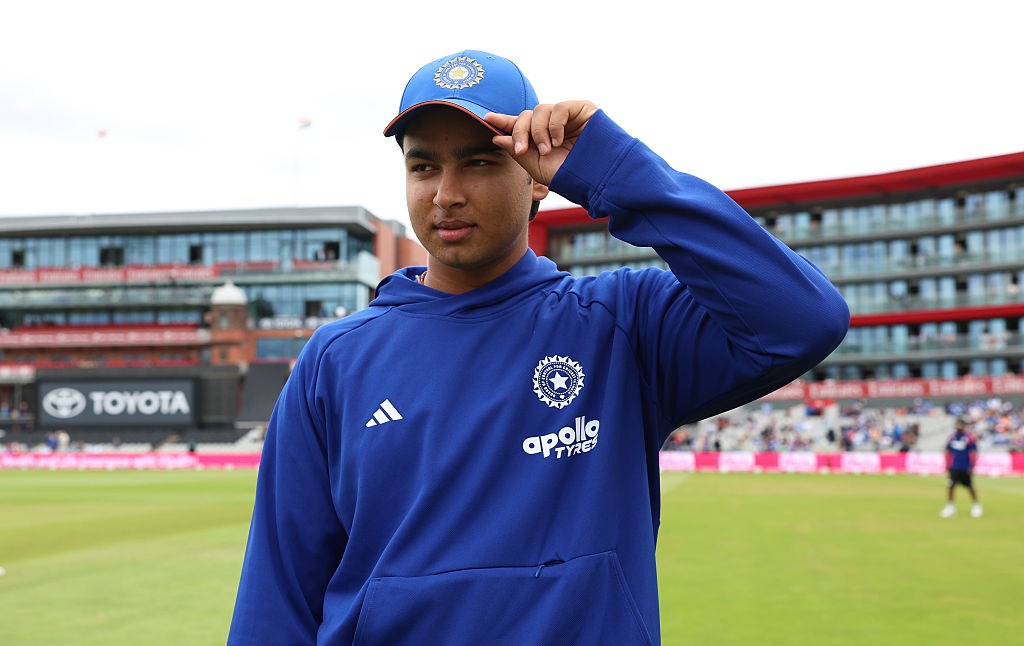
Imagine a 12-year-old or a 14-year-old watching Sooryavanshi bat. Suddenly, the distance between the cricketing superstar and the young fan watching from home doesn't seem quite as intimidating. There is a sense of possibility. If someone so young can make it to the biggest stage, perhaps they can dream of doing something similar.
Cricket in India already enjoys an enormous following, but Sooryavanshi could help deepen its connection with younger audiences. He could inspire more children to take up the game, encourage families to follow it more closely and create a new generation of fans who identify with a player closer to their own age.
For broadcasters, franchise owners, sponsors, advertisers and cricket administrators, this is an opportunity worth recognising.
What Attracts The Next Generation?
The next generation of cricket consumers will not necessarily engage with the sport in the same way their parents did. Their relationship with cricket will be shaped by short-form videos, social media, gaming, behind-the-scenes content and personalities they can connect with.
A young sporting phenomenon provides the perfect starting point for that engagement.
Max Verstappen and the Formula 1 reality series Drive to Survive are brilliant examples of this. I had drifted away from Formula 1 in the early 2000s after a plethora of rule changes and the lack of a global superstar made the sport less appealing to me.
But innovative storytelling and Verstappen's emergence rekindled my interest after being away for almost two decades.
Verstappen's fearless driving, his rivalries and, eventually, his extraordinary championship battles made Formula 1 compelling again. But what really changed the way I consumed the sport was the storytelling and the behind-the-scenes access.
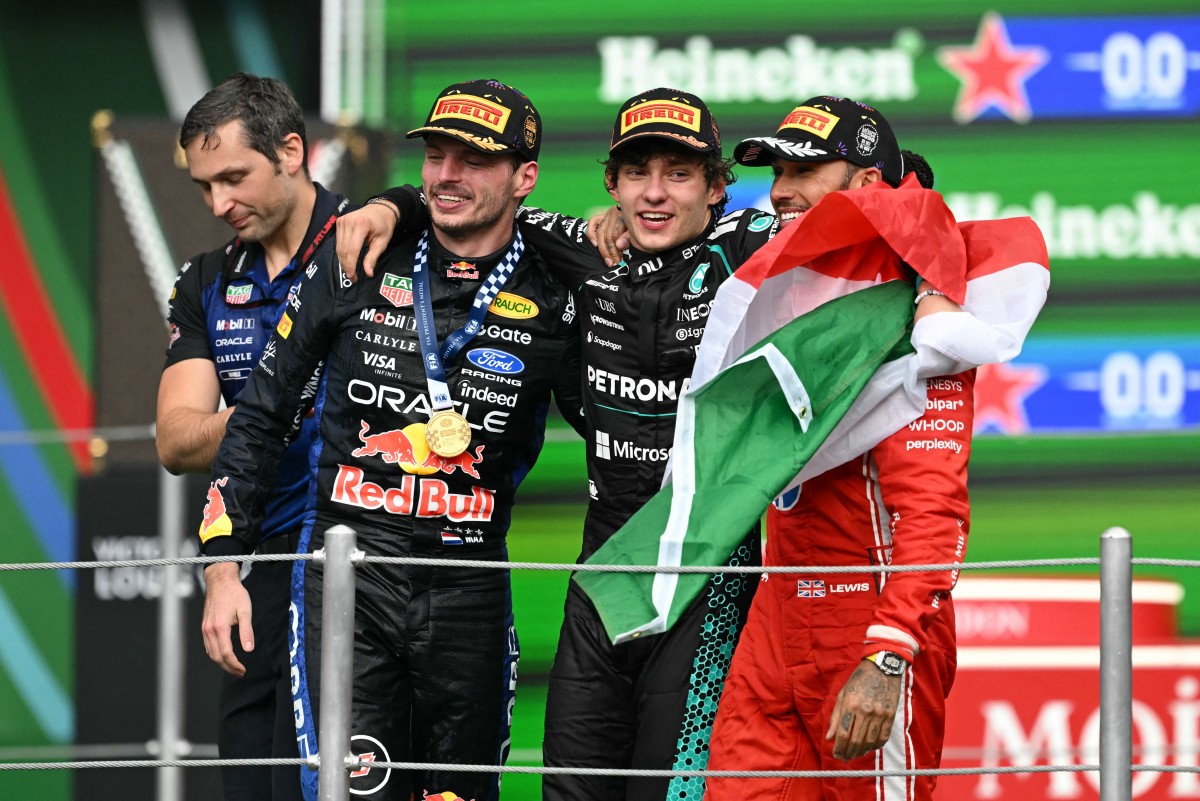
A race may last two hours, but a 30-second clip of an extraordinary overtake, an emotional radio exchange, a behind-the-scenes interaction or a driver celebrating with his team can travel across the world in minutes.
The sport is no longer competing only for television viewership. It is competing for attention across multiple platforms, formats and generations.
And this is where Antonelli's arrival as world champion becomes particularly exciting.
Long-Term Business Strategy
For any sport, attracting a young audience is not simply a marketing objective. It is a long-term business strategy.
A teenager who discovers a sport today could become a lifelong viewer, a ticket-buying spectator, a merchandise consumer, a participant, a sponsor's target audience or even a future professional athlete. The commercial implications are enormous.
Formula 1 has already demonstrated how a combination of sporting rivalries, strong personalities, digital content and a younger driver generation can expand its audience.
Antonelli now provides another opportunity to accelerate that journey.
Similarly, Indian cricket has an opportunity to build the Sooryavanshi story in a way that goes beyond the excitement of his batting. His development, discipline, challenges, personality and journey through the cricketing system can become powerful storytelling opportunities.
Of course, neither sport should place the burden of an entire commercial ecosystem on one young athlete. They must be allowed to develop, make mistakes and enjoy their careers. But sports administrators and professionals working within the ecosystem need to recognise the opportunities that their emergence creates.
The traditional model of watching a match or a race and then waiting for the next one is no longer sufficient to build a deeper relationship with younger audiences.
There is enormous potential for Indian cricket to explore similar storytelling around its emerging talent. Sooryavanshi's journey, for instance, could resonate with millions of young Indians if told in the right way and across the right platforms.
The same applies to Antonelli and Formula 1.
New Generation Of Icons, New Generation Of Fans
Their achievements are remarkable in their own right. But their larger significance could lie in their ability to inspire people who may otherwise never have developed an interest in Formula 1 or cricket. Ultimately, the biggest winners could be the sports themselves.
Because a champion's career may last a decade or two. But the generation of fans inspired by that champion could sustain a sport for much longer
KioskNews shows a cleaned-up reading view extracted from the publisher’s page — the original always lives on their site, not ours.