Senior Arab phsyicians call on Eisenkot to embrace Jewish-Arab political partnership in open letter
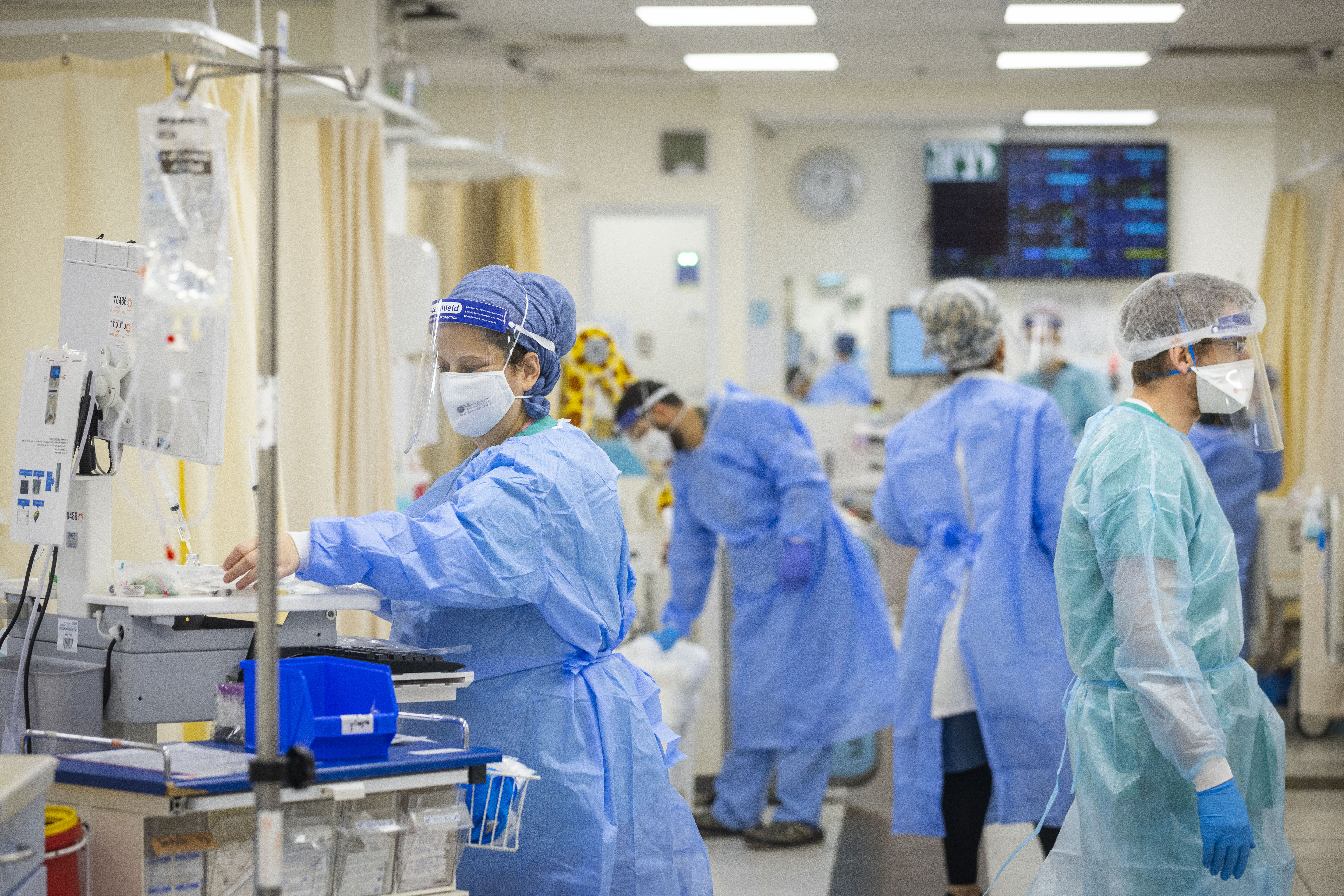
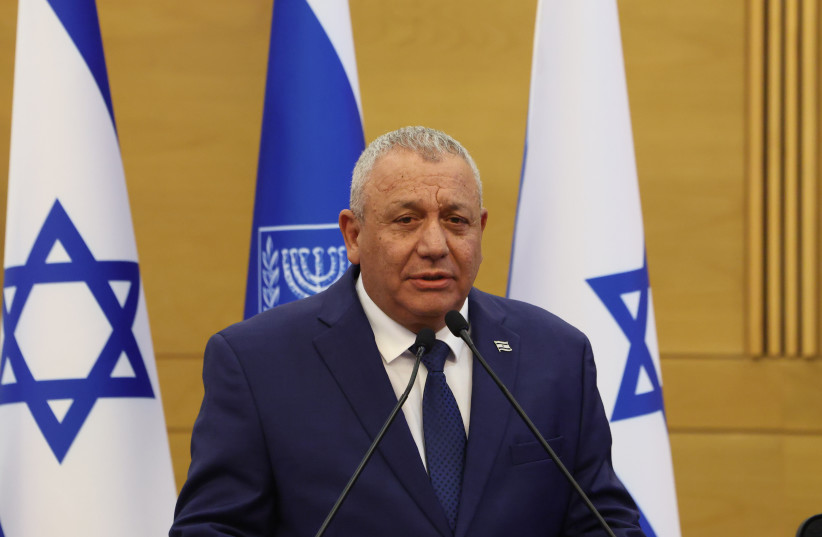
A group of 23 senior Arab Israeli physicians has called on Yashar Chairman Gadi Eisenkot to recognize the legitimacy of Jewish-Arab political partnership and work to include Arab representatives in Israel's government and national decision-making.
In a letter to Eisenkot, the physicians, including professors, senior healthcare officials, and heads of medical departments at Rambam Health Care Campus, Haifa, Soroka Medical Center, Beersheba, Sourasky Medical Center's Ichilov Hospital, Tel Aviv, and Carmel Medical Center, Haifa, requested a meeting with him as soon as possible.
The letter is part of a broader public initiative aimed at promoting political cooperation between the parties seeking to replace Prime Minister Benjamin Netanyahu and the Arab parties.
The physicians plan to meet with the leaders of all the parties in the change bloc, as well as other public figures, to present their position, encourage dialogue, and promote recognition of the legitimacy of Jewish-Arab partnership in governing Israel.
Physicians use healthcare system as example of effective Jewish-Arab partnership
"The healthcare system proves every day that Jewish-Arab partnership is not only possible, it is an existing and successful reality," the physicians wrote.
Among the signatories are Prof. Bishara Bisharat, chairman of the Society for the Advancement of Arab Population Health at the Israel Medical Association; Prof. Naim Abu Freha, chairman of the Arab Physicians Association in the Negev; Prof. Ahmad Assalia, director of the surgical division at Rambam Health Care Campus; and Prof. Zaher Azzam, director of Rambam's internal medicine division.
Other signatories include Prof. Mahmoud Suleiman, director of Rambam's cardiac arrhythmia unit, and Prof. Foad Azem, former director of the Fertility and IVF Institute at Ichilov and chairman of the Israel Fertility Association.
The physicians noted that approximately 11,000 Arab doctors account for some 27% of all practicing physicians in Israel and are an integral part of the country's healthcare system.
They argued that the daily cooperation between Jewish and Arab medical professionals in saving lives demonstrates the value and necessity of such partnerships in other areas of Israeli society.
"Every day, we work shoulder to shoulder with our Jewish colleagues, saving lives and sharing responsibility for public health," they wrote.
"The healthcare system proves that Jewish-Arab partnership is not only possible, it is an existing and successful reality, and it is essential to the country's success."
The physicians said their interactions with Israel's Arab community reflected a desire for change, equality, personal security, and hope, as well as a willingness to play an active and responsible role in shaping the country's future.
Physicians call on Eisenkot to translate partnership from healthcare system to political
"We believe the time has come to translate the partnership that exists in the healthcare system into a civic and political partnership as well," they wrote.
"We call on you to demonstrate leadership and courage, recognize the legitimacy of Jewish-Arab political partnership, and lead an initiative that will allow representatives of the Arab public to become genuine partners in decision-making and the country's leadership."
The physicians concluded their letter by requesting a meeting with Eisenkot to present their vision and outline their expectations for what they described as a historic initiative founded on partnership and shared responsibility.
KioskNews shows a cleaned-up reading view extracted from the publisher’s page — the original always lives on their site, not ours.