No fish, no future? How one Fiji village brought its reef back to life
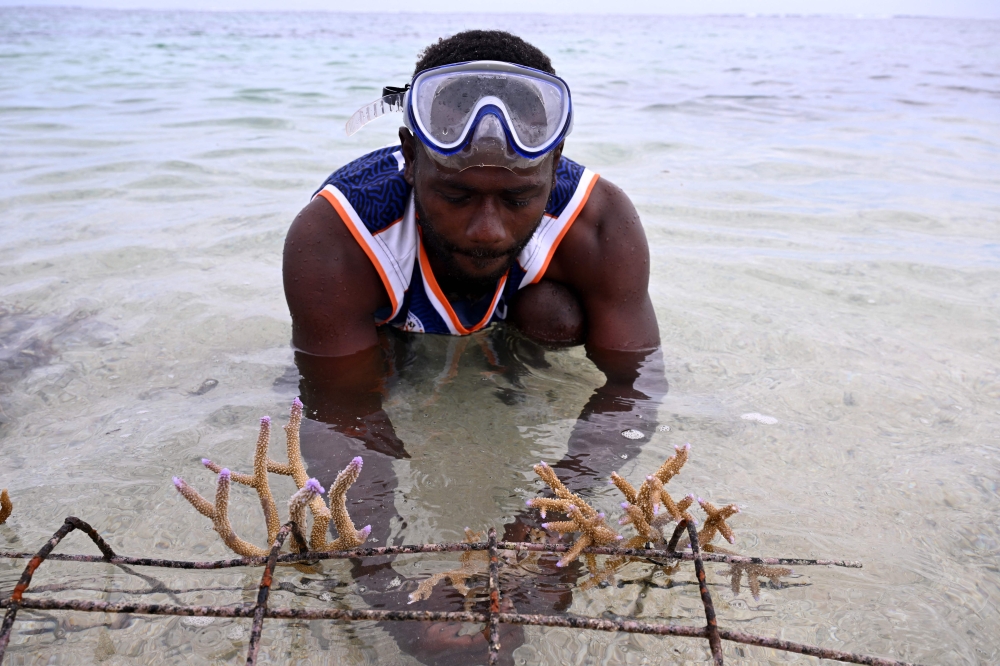

A villager plants coral at Naidiri Marine Biodiversity Park in Fiji on October 5, 2026, as the community works to restore its reef and protect fish stocks. — AFP pic
First Published: Sunday, 18 Oct 2026 7:00 AM MYT
NAIDIRI, Oct 18 — It had been decades since sharks last patrolled the reef off Fiji’s Naidiri Village, but they returned this year after a community-led effort to protect fish stocks and plant thousands of corals.
Manoa Duwai convinced his village in 2009 to establish a protected area within its customary fishing grounds on Fiji’s Coral Coast after growing concerned about the dwindling number and size of fish he was catching.
At the time, he was lucky to catch a fish as big as his palm.
“Man, imagine 10, 15, 20 years to come, what we going to have,” Duwai said after a fishing trip one night yielded only tiny, juvenile fish.
“What type of species are we going to have left in our customary fishing ground? We have to do something,” he said.
Duwai approached village elders with a proposal to protect part of their fishing grounds, initially designating a 30-by-40-metre area within the reef.
It did not take long for the plan to bear fruit, with larger fish finding a home in the protected area before spreading into neighbouring waters.
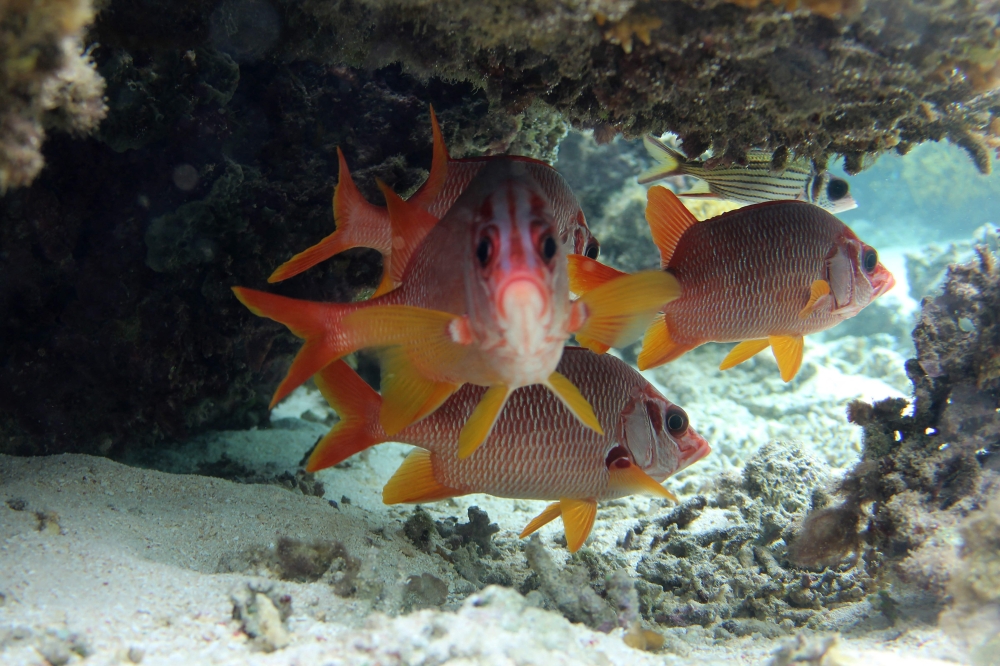
Fish swim among healthy coral at Naidiri Marine Biodiversity Park in Fiji on October 5, 2026, as community-led conservation efforts help restore the reef and replenish fish stocks. — AFP pic
Over time, the village expanded the protected area to 280 by 240 metres.
It is now flanked by a similarly sized area villagers call “the fridge”, which they temporarily close to allow fish stocks to recover.
Duwai’s vision of a thriving marine habitat that could sustain his village of 147 people has since earned global praise, with academics and charities seeking his insights.
Youth ownership
Joseva Kunagado, 21, leads Naidiri Village’s youth in preserving the health of its protected marine area.
The village formed a youth group in 2011 to manage what they call the “tabu area”, with members leading efforts to plant corals and encourage a healthy ecosystem.
In 2023 alone, the group planted 18,000 corals and 10,000 mangroves.
“When we started this we were small kids,” Kunagado told AFP.
“We used to take some barrels, cut it in half, tie the rope on it, and we pull it. We have to walk for maybe 20 minutes to get corals, come back and plant.
“From that to today, we can say that we are very happy on the work that we have done because we’ve seen big changes.”
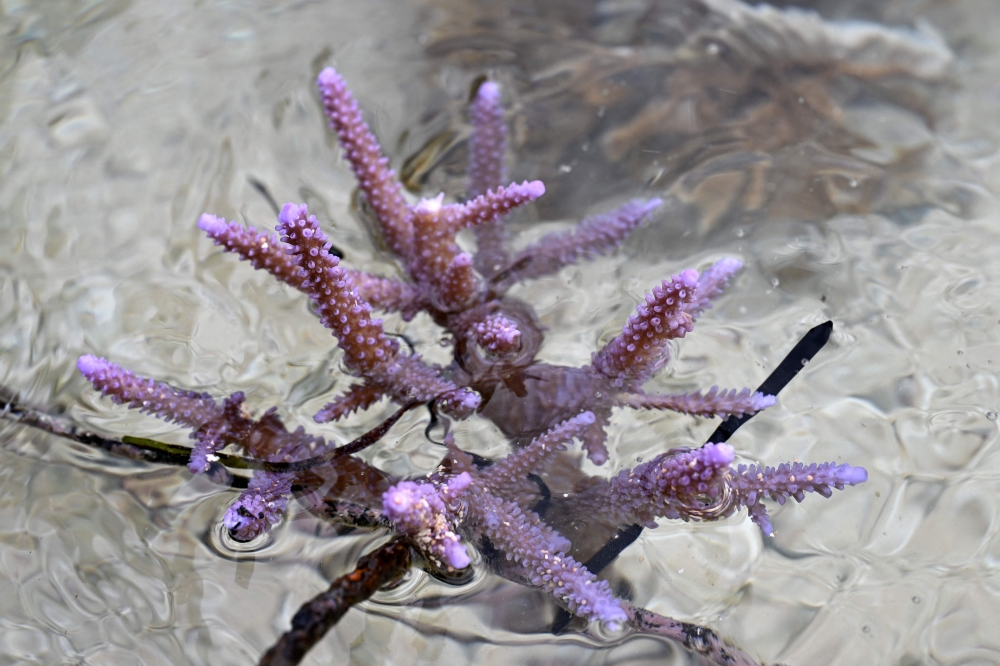
Healthy coral grows in the waters of Naidiri Marine Biodiversity Park in Fiji on October 5, 2026, where villagers are restoring the reef to protect marine life and fish stocks. — AFP pic
The protected area Kunagado and his friends have nurtured is now bursting with corals and home to hundreds of heat-resistant “super corals” that could help protect the village from rising sea temperatures.
Sharks have also started returning to the area.
Far from being frightened, Duwai said he shed a tear when they came back this year.
“When things started to come back, different types of fish species, invertebrates, all back, I’m like the most happiest person in the whole village,” Duwai said.
Kunagado said he had seen sharks on the morning of AFP’s visit, smiling with pride at the state of the fishery.
“We didn’t see this coming, like having tourists coming, having researchers, students from universities coming. So we’re proud of the work.”
Super corals
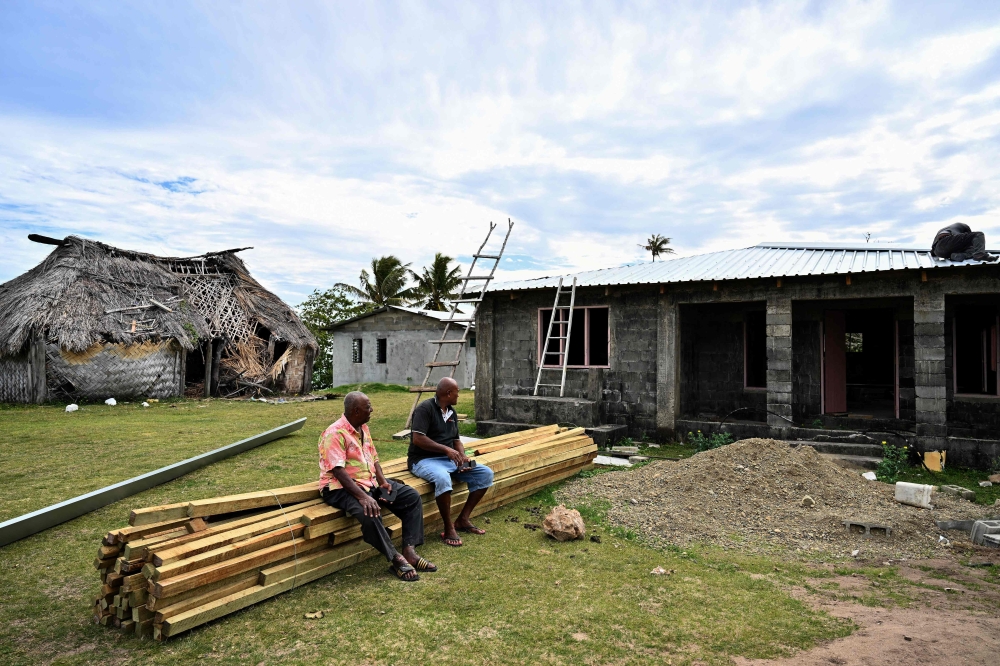
Villagers watch the construction of a new house on higher ground near Naidiri Marine Biodiversity Park in Fiji on October 5, 2026, as coastal communities face growing climate change risks. — AFP pic
Researchers are interested not only in how Naidiri Village has protected its marine ecosystem but also in specific corals showing extraordinary heat resistance.
Duwai said water temperatures reached up to 39°C during a heatwave earlier this year, causing widespread bleaching among the thousands of planted corals.
At those temperatures, most of the corals should have died, but Duwai said 20 per cent survived and are considered “super corals”.
“The only corals we have here now are the ones who survived this 38, 39 degrees.”
Duwai said Naidiri is now transplanting its heat-resistant corals to deeper, cooler waters near the capital Suva to help protect them against future heatwaves. — AFP
KioskNews shows a cleaned-up reading view extracted from the publisher’s page — the original always lives on their site, not ours.