Exhibition of pioneering Hong Kong school for national talent in early 1940s opens
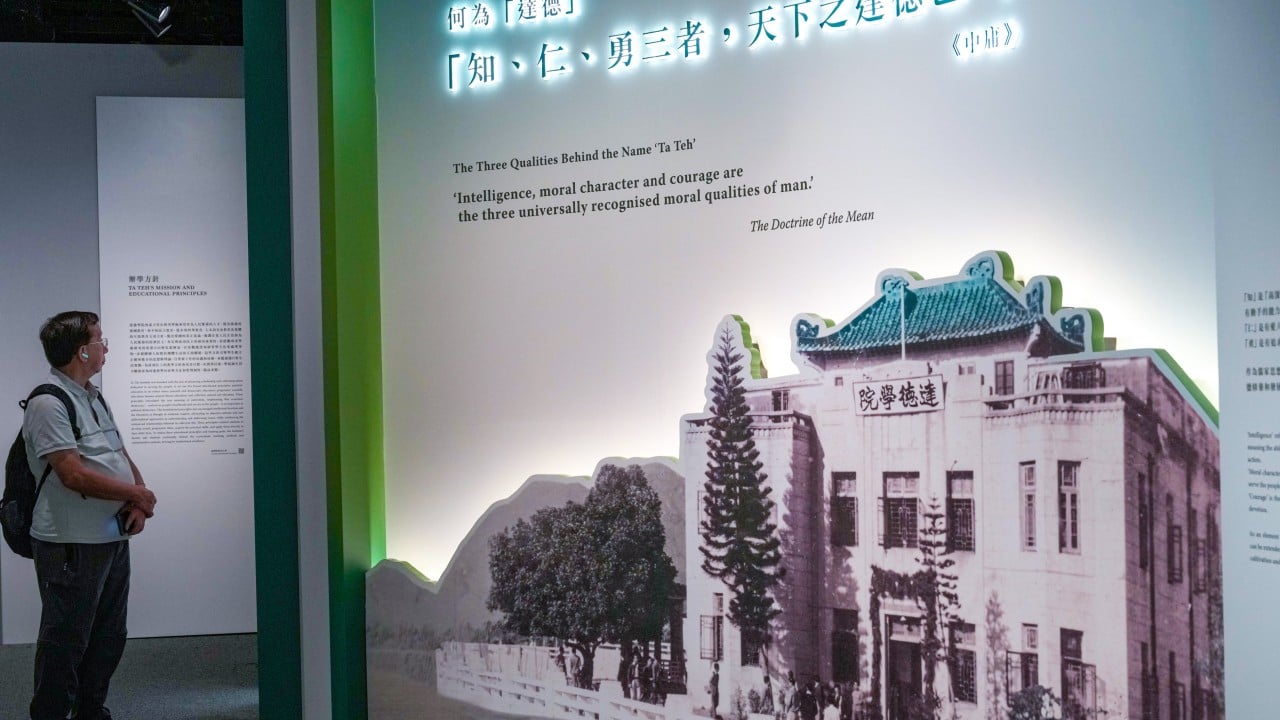
A new exhibition about a pioneering school that nurtured talent for the country has opened at a Hong Kong history museum as part of the government’s efforts to promote national education, with many exhibits shown in the city for the first time.
“National Development and Achievements Series: Cultivation and Renewal – The Education Legacy of Hong Kong’s Ta Teh Institute”, a free exhibition presented by the Leisure and Cultural Services Department, will run at the Hong Kong Museum of History in Tsim Sha Tsui from Wednesday to February 15 next year.
Ta Teh Institute was a liberal arts university established in Tuen Mun in 1946 during the Chinese Civil War. It was the second university to be established in the city after the University of Hong Kong. The institute closed down in 1949.
It was founded by the leadership of the Guangdong District Committee of the Communist Party of China, a historical party organisation active between 1945 and 1948, through cooperation between the Communist Party and patriotic democrats in Hong Kong.
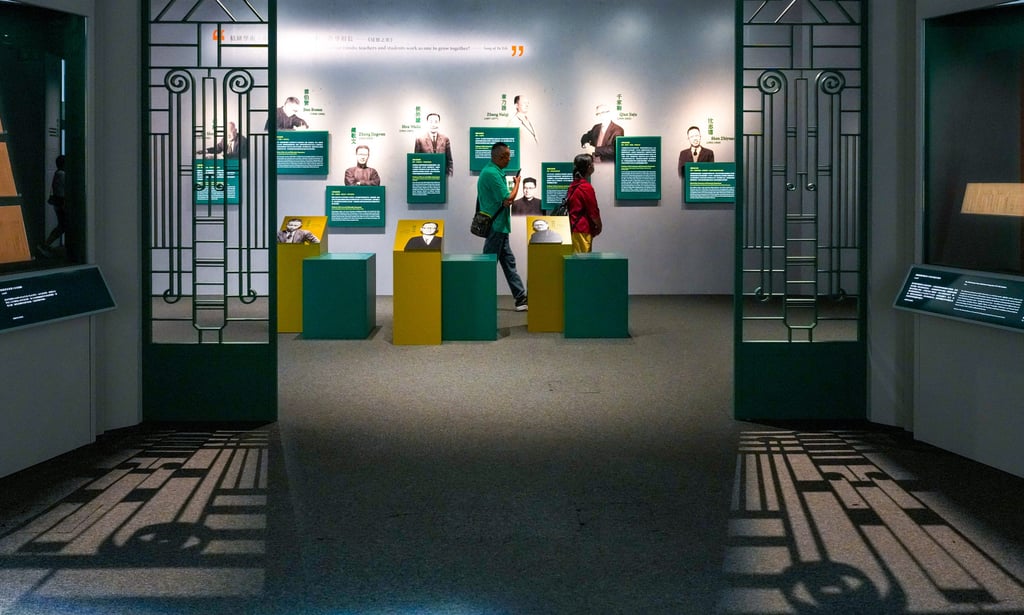
Communist Party leaders at the time, including Zhou Enlai, called for the school’s founding to resettle important people fleeing south during the war, as well as to cultivate young talent for the country.
The institute brought together many renowned academics and cultural figures at that time, including historian Jian Bozan, literary figures Guo Moruo and Mao Dun, and politician Qiao Guanhua, who later served as China’s Foreign Minister from 1974 to 1976.
Despite being banned by the colonial government in February 1949 after less than three years in operation, the school groomed over 800 promising young people, many of whom later took up posts in finance and politics across the country and played leading roles in national development.
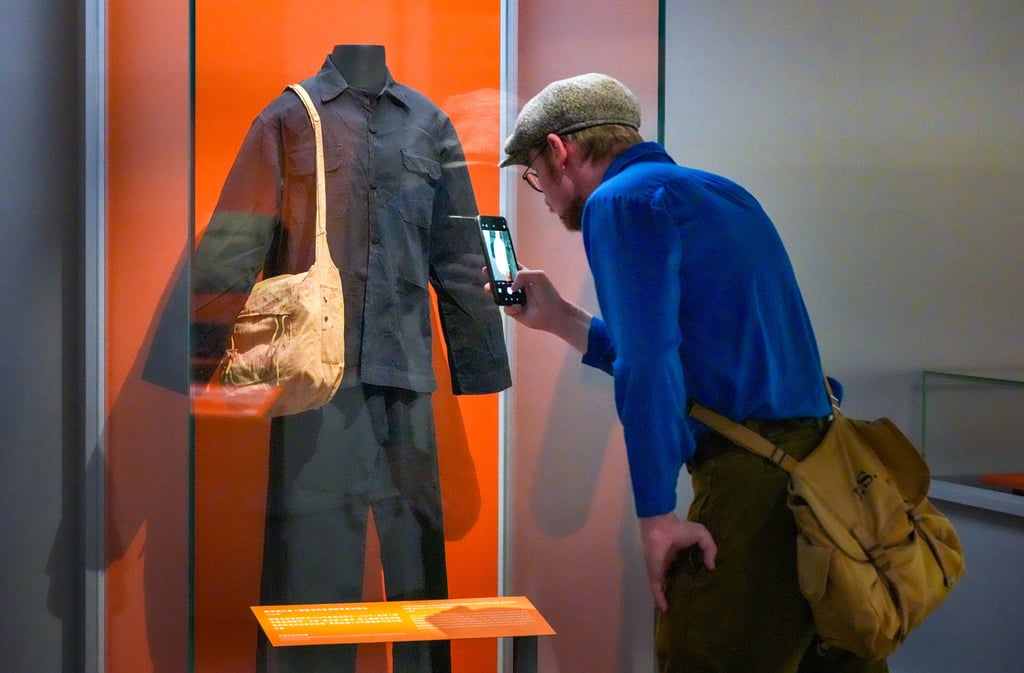
To mark the 80th anniversary of the establishment of Ta Teh Institute, the exhibition features more than 60 sets of artefacts related to the institute and its alumni, as well as around 125 historical photographs and supplementary exhibits, of which half are being displayed in Hong Kong for the first time.
Selected exhibits include minutes of meetings of the institute’s affairs committee, student cards and lecture outlines delivered by renowned professors.
The exhibition also recreates the arch, school buildings, a dormitory and a classroom, allowing visitors to experience campus life at the time.
Connie Cheung, the museum’s curator of exhibition and research, said Hong Kong’s role stood out clearly in the institute’s history.
“Hong Kong is a place for gathering outstanding cultural scholars and young people who want to learn,” she said.
“This nurturing and cultivation of talents is the main core of our exhibition. Hong Kong has the soil of culture and nurturing talents for the development of our country.”
Cheung added that although not many Hongkongers knew about Ta Teh, its place in the city’s history was significant.
“We would like to let visitors and Hong Kong people know more about this institute, which ran for only two and a half years, but its influence is very great and lasts until today.”
Chief Executive John Lee Ka-chiu said in his policy address in September that the government would establish a National Development and Achievements Museum in Kwu Tung North, showcasing the country’s achievements in science, technology, culture and sports.
KioskNews shows a cleaned-up reading view extracted from the publisher’s page — the original always lives on their site, not ours.