US accuses Chinese AI firms of ‘malicious’ copying of AI technology
Already have Rappler+?
to listen to groundbreaking journalism.
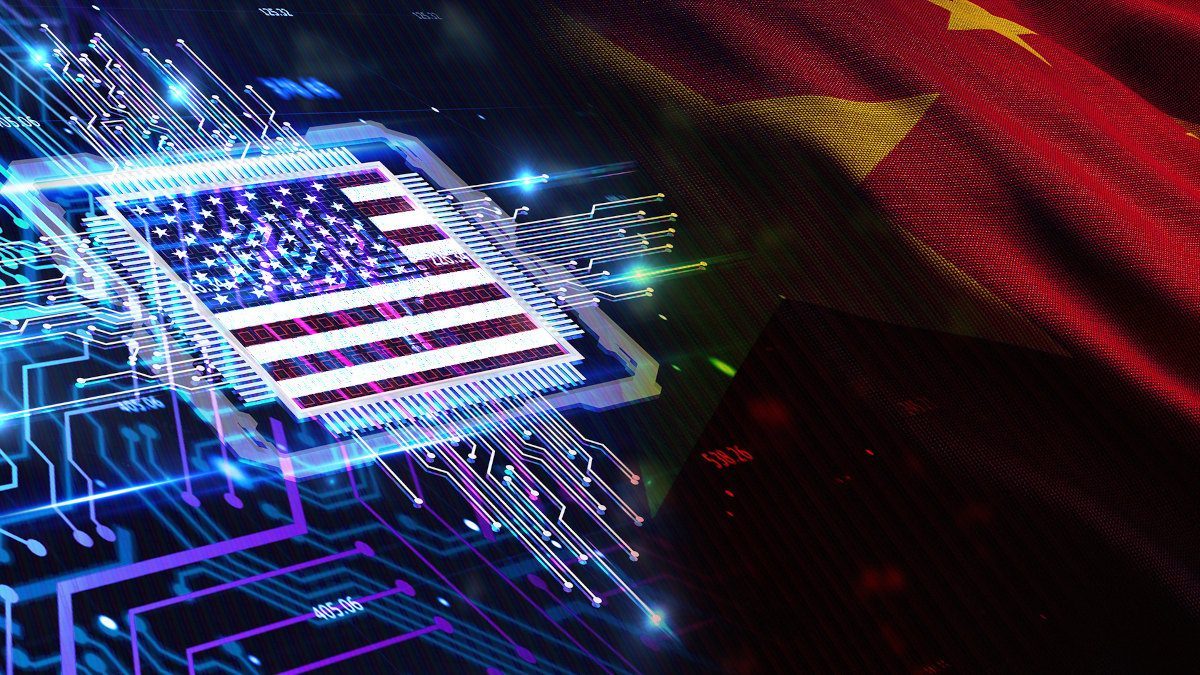
The Chinese companies copied US AI labs’ intellectual property through a technique known as distillation, US law enforcement and intelligence officials say
AT A GLANCE
- The US government accused Chinese AI companies of maliciously copying technology from American firms, complicating diplomatic relations ahead of a meeting between US and Chinese leaders.
- US officials claimed six Chinese companies, including Alibaba, used a technique called distillation to replicate American AI models, likely with the knowledge of the Chinese government.
- The allegations suggest that this technology theft not only reduces costs for Chinese firms but also enhances China's military and cyber capabilities, posing a potential threat to the US and its allies.
This is AI-generated. Read the article for full context. Report any errors.
WASHINGTON, USA – The US government on Tuesday, September 8, accused Chinese artificial intelligence companies of maliciously copying technology from American AI firms, potentially complicating relations ahead of a planned meeting between leaders of the world’s two biggest economies later this month.
The Chinese companies copied US AI labs’ intellectual property through a technique known as distillation, according to a statement from US law enforcement and intelligence officials. Distillation is the process of training smaller AI models using output from larger, more expensive ones as part of an effort to lower the costs of training a new AI tool.
US officials accused six Chinese companies, including DeepSeek, Moonshot AI, and Alibaba, of tapping variants of American-made AI models to train their AI products more quickly. The companies did so “likely with Chinese government awareness,” according to the statement from US officials, who added that the Chinese companies targeted AI models from Anthropic, OpenAI, Alphabet’s Google, and SpaceX.
“China-based AI companies are engaging in aggressive, malicious and targeted distillation activities at an industrial scale,” the officials said.
US officials made the allegations as the administration of President Donald Trump prepares for Chinese President Xi Jinping’s visit to the US in late September. The US and China are also gearing up to discuss AI safety risks during a dialogue planned for mid-September, Reuters previously reported.
The Chinese embassy in Washington did not immediately respond to a request for comment about the distillation allegations.
The US made a similar accusation in April ahead of Trump’s visit to Beijing.
The Tuesday statement alleged that the distillation not only reduces research and development costs for Chinese AI firms, but also enhances China’s “military and cyberattack capabilities that could be used against the US and our allies.”
Reuters reported on July 31 that Chinese military researchers have used outputs from leading US AI models to train domestic Chinese AI systems and advance China’s defense capabilities. – Rappler.com
KioskNews shows a cleaned-up reading view extracted from the publisher’s page — the original always lives on their site, not ours.