Test of trust for Hong Kong’s new housing checks unit after Wang Fuk Court blaze
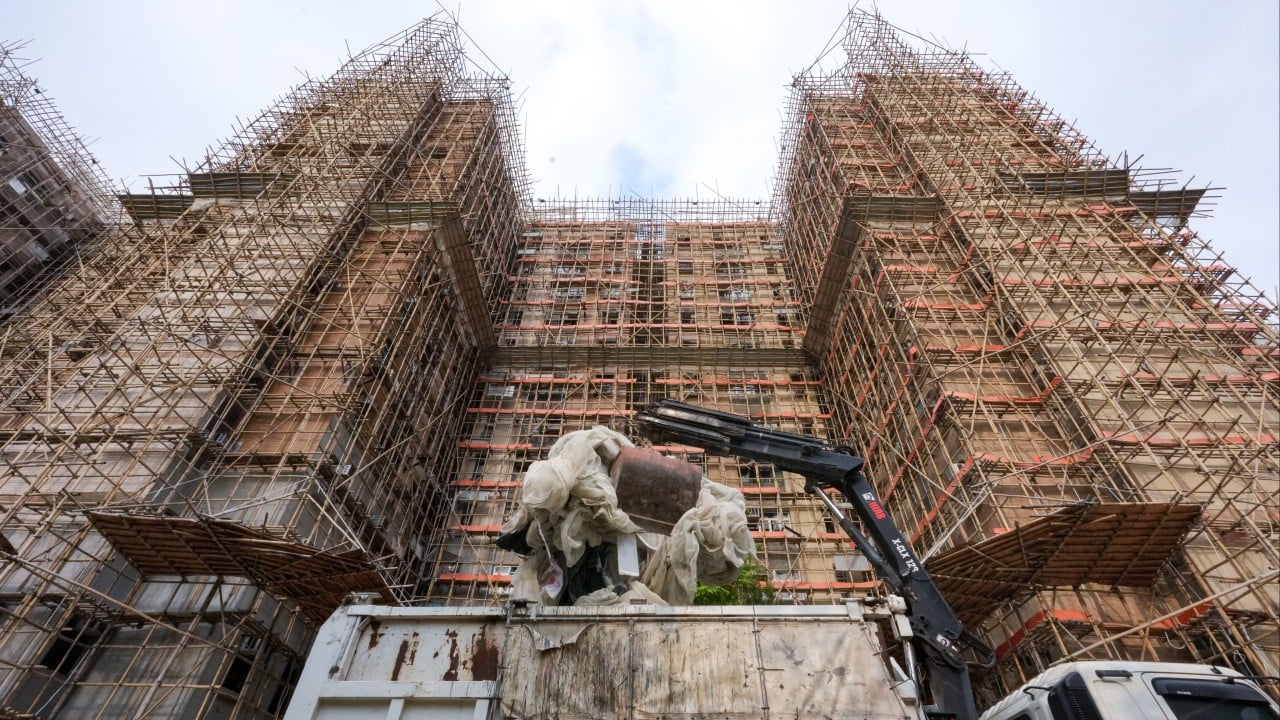
The calls came after concerns were raised that the reform was “old wine in a new bottle”, particularly as the new body – the Public Housing Building Control Section (PBC) – retained some staff and practices of its predecessor, the disgraced Independent Checking Unit.
The independent committee investigating the Wang Fuk Court fire identified the unit, which oversaw public rental and subsidised-sale estates sold or divested by the Housing Authority, as the government department most responsible for the blaze, Hong Kong’s deadliest in decades.
Carmen Lai, chairwoman of the building surveying division of the Hong Kong Institute of Surveyors, said improving transparency was crucial for rebuilding public confidence.
“Not until the fire did the public have an idea about which estates fell under the purview of the Independent Checking Unit. The public should have ways to learn about the new section’s duties and estates under its control,” she said.
“The section can also consider providing a regular update on the estates under maintenance, such as the progress on their application, approval and works, so the public can obtain more information and improve transparency.”
The unit was established in 2000 after a series of scandals concerning short piling that led to the demolition of two public housing blocks.
As of June, it oversaw 333 public rental and subsidised-sale estates, their retail facilities and car parks.
Under the reform, the new section will be set up this month, operating under the Housing Bureau and reporting to the permanent secretary for housing.
The PBC will also be audited by the Buildings Department, the principal authority on building works control. The committee criticised the department for failing to conduct a proper audit of the Independent Checking Unit.
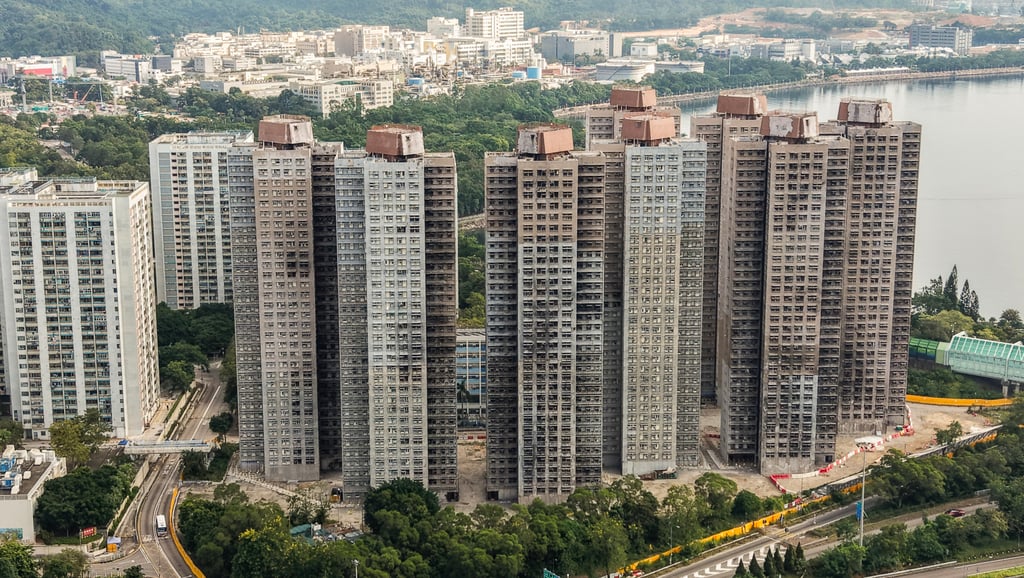
Deputy Financial Secretary Michael Wong Wai-lun earlier defended the reform. He said the committee had not recommended changing the framework and that maintaining the current structure “still makes considerable sense today”.
Wong added that the PBC would adopt a fresh project-based approach to regulating maintenance works at individual estates, step up communication with the department and train the retained staff members, who were more familiar than other civil servants with the details of public housing estates.
Poor coordination between the Independent Checking Unit and the department in enforcing building work control was one of six problems, alongside the unit’s enforcement failures and deficiencies in the design of regulation, that the independent committee identified across both entities.
For example, the unit had only become aware of a site safety inspection policy nearly 2½ years after it was adopted by the department. That was despite regular meetings between the two departments, senior professional officers being seconded from the Buildings Department to the unit and semi-annual progress reports submitted from the unit.
The unit also notified professionals and contractors before inspection, whereas the Buildings Department made surprise checks. The committee said working attitude seemed to be the “only explanation” for this divergence, given the numerous communication channels between the two departments.
Lai said that although the Buildings Department would second a directorate officer to the new section to improve coordination, enforcement practices between the two departments still needed to be aligned.
“It can only make a change when the two departments have conducted reviews, reorganised their workflow and eliminated grey areas of administrative procedures and enforcement,” she said.
Lai also stressed the importance of staff training, saying this should cover new operational details, knowledge of building laws and the mindset of managing safety risks.
Her suggestions responded to the independent committee saying the unit had a “slack working attitude”, failed to properly investigate complaints and did not carry out its regulatory duties.
Lai added that the PBC should assess projects and inspect sites proactively, rather than rely on document reviews.
According to the Housing Bureau, since last December the unit had stepped up inspections of major maintenance works at buildings under its purview, covering 29 blocks across five public housing estates.
A veteran professional in the building maintenance industry, who was familiar with how the government operated, said the PBC could set internal key performance indicators to track its performance and gradually make targets publicly available after smoothing out its operations.
The insider added that retaining staff from the Independent Checking Unit, who were familiar with the design and plans of public housing estates, could help the operation of the PBC.
The source added that the directorate officer seconded by the department would have a key role in providing technical directions and striking a balance between rigorous safety compliance and avoiding excessive delays or increasing repair costs.
The insider also said the reform was timely, as the unit only started supervising large-scale maintenance projects in the past decade, when public housing estates were ordered to undergo inspections and repairs under the mandatory inspection scheme for buildings at least 30 years old.
“Only more public housing estates will age beyond 30 and require renovation … The workload will be heavy. The reform has provided direction for sorting out the arrangements and reallocating resources.”
As of 2025, about 29 per cent of the 1,722 buildings regulated by the unit were aged at least 40, and another 37 per cent were aged between 30 and 39, according to statistics compiled by the Legislative Council.

Daniel Lam Chun, a surveyor and former non-executive director of the Urban Renewal Authority, the city’s statutory body on the redevelopment and rehabilitation of buildings, also urged authorities to use the reform to build a sustainable framework for property maintenance as Hong Kong’s building stock continued to age rapidly.
He suggested that officials and officers should be regularly trained to eliminate risks at building works and the administration could explore using new technology to strengthen supervision.
Lam added that it was also important to educate property owners about their civic duties, such as maintaining their properties and monitoring the performance of professionals, contractors and government departments.
“The reform should not only treat the symptom but also the cause.”
KioskNews shows a cleaned-up reading view extracted from the publisher’s page — the original always lives on their site, not ours.