Why are your favorite beauty brands ditching talc?
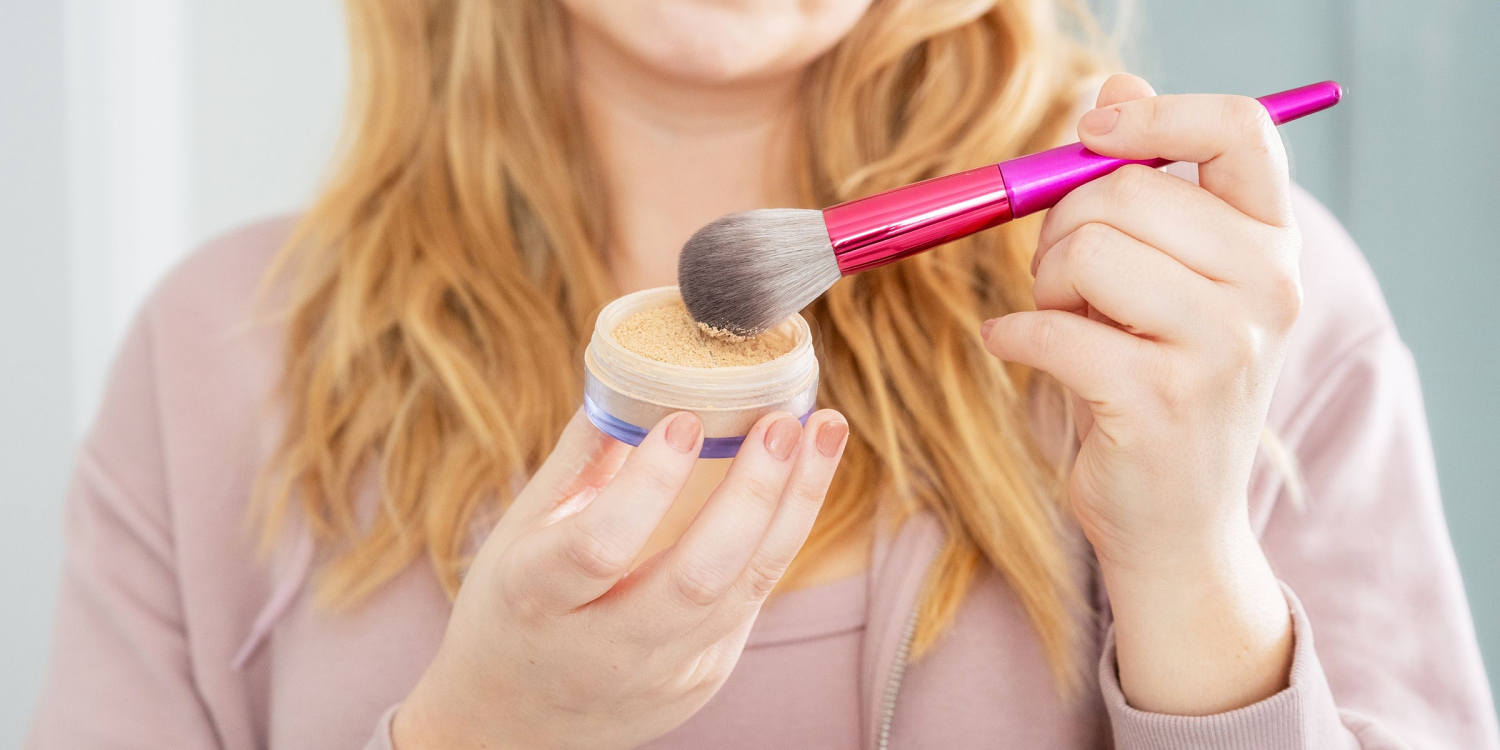
Talc has been in your favorite eyeshadows, setting powders and blushes for decades, but you may have recently spotted the phrase “talc-free” when scanning product labels. Why are popular brands like Charlotte Tilbury, Nars and Laura Mercier moving away from the ingredient that has long served a functional purpose in cosmetics, and does choosing a talc-free product actually matter?
I spoke to cosmetic chemists and board-certified dermatologists about the concerns surrounding talc, plus everything you should know when shopping for makeup. I also rounded up some talc-free products that brands have recently reformulated or always had in their lineup.
Selected.Our top picks


Want more from NBC Selected? Sign up for our newsletter, The Selection, and shop smarter.
What is talc’s purpose in cosmetics?
Talc typically functions as a texture ingredient in powder-based color cosmetics like eyeshadows, powders and blushes. It helps powders feel smooth, blend evenly and resist caking, and it may help absorb oil and reduce shine, says Dr. Alexandra Bowles, a board-certified dermatologist at MONA Dermatology.
Talc is also generally well tolerated by most skin types and isn’t a common cause of allergic reactions, experts say. “When someone does react to a powder, fragrance, preservatives or other ingredients in the formula are often more likely to be responsible,” says Bowles.
The appeal of talc is that it’s incredibly versatile and multifunctional, says Esther Olu, a cosmetic chemist and licensed esthetician. “It’s also relatively inexpensive, widely available and compatible with a variety of other cosmetic ingredients,” she says. That includes pigments (it can even help distribute them and increase color payoff, says Olu), dry powders and binders like silica. While talc as an ingredient tends to be gentle on the skin, the concern usually lies in sourcing and testing.
What does the current scientific evidence say about the safety of talc in cosmetics?
The science is generally mixed. In 2019, FDA testing found trace amounts of asbestos in nine talc-containing cosmetic products, including Johnson & Johnson’s talc-based baby powder and some cosmetic products sold at Claire’s, which were voluntarily recalled. A wave of lawsuits over asbestos-contaminated talc followed. In 2024, the WHO’s cancer agency classified talc as “probably carcinogenic,” citing limited but consistent evidence for ovarian cancer. But at the same time, recent FDA testing of cosmetic samples has repeatedly come back negative for asbestos.
When people talk about talc and safety, dose and application is an important piece of context that’s usually missing from the conversation. “The ovarian-cancer data comes largely from women using loose powder in the genital area daily for decades, which is a world apart from pressed powder on your eyelids. Headlines rarely make that distinction,” says Dr. Gina Maccarone, a triple board-certified cosmetic surgeon and founder of The Surgeonista.
The “probable carcinogen” classification can also be easy to misread. “It describes whether something may be capable of causing cancer under certain conditions, not how likely it is at everyday levels of exposure,” says Bowles. Many people seem to assume talc and asbestos are interchangeable, but they’re distinct minerals that can occur together in nature. “Talc on its own isn’t considered toxic, but contamination can happen when it’s mined near asbestos deposits,” says Bowles. “As a result, where the talc comes from and how it’s tested may matter more than whether it appears on the label.”
It can help to think about the ingredient and the supply chain separately. Contamination has been documented, but it’s relatively uncommon, experts say. “I usually suggest looking for brands that share where their talc comes from and whether it undergoes independent asbestos testing,” says Bowles. In late 2024, the FDA proposed a new rule requiring manufacturers to test talc-containing cosmetics for asbestos contamination. A year later, the FDA withdrew that proposal due to legal and testing complexities.
So why are beauty brands going talc-free?
Regulation and consumer concern both appear to be driving the change. The European Union is moving toward banning talc in cosmetics in 2027, and many brands may be reformulating globally rather than making separate versions.
“The underlying worry tends to be about contamination rather than talc itself, since talc is mined and can occur near asbestos deposits. I think of the shift as a response to trust and regulation rather than a sign that talc is harming the skin,” says Bowles. However, “brands aren’t waiting for the science to fully settle,” says Maccarone. “Reformulating to talc-free is cheaper than the reputational and legal risk, so brands are getting ahead of it.”
Reformulation based on changing regulations isn’t new in the beauty world. In fact, changing formulas have been one of the biggest trends in beauty this year (my favorite Skinceuticals C E Ferulic Serum being one of them). For example, Neutrogena rolled out a new, reformulated Hydro Boost line in Europe and North America without cyclic silicones (like cyclopentasiloxane and cyclomethicone) ahead of EU bans due to environmental concerns. Similarly, bestsellers like the Armani Beauty Luminous Silk Foundation, Charlotte Tilbury Magic Cream and Bobbi Brown Cosmetics Vitamin Enriched Face Base all reformulated this year to comply with silicone regulations.
“When a major market changes its regulations, global brands must decide whether to reformulate products across their entire portfolio or maintain different formulations for different markets,” says cosmetic chemist Ava Perkins.
Top talc-free makeup
Instead of reformulating its bestselling Airbrush Flawless Finish Pressed Powder, Charlotte Tilbury launched a new, talc-free loose setting powder in August. The brand sent me the powder to test ahead of its launch, and I still use it months later. It blurs, brightens and controls oil, and as someone who has used the original pressed powder for years, I find it is equally as good at keeping my makeup from creasing and reducing shine throughout the day. Loose powders also apply much better on my dry skin than pressed powders, which can be a little too heavy and cakey, especially under my eyes (although the loose powder is slightly messier to use with my powder puff). It comes in six shades to accommodate various skin tones, too.
Charlotte Tilbury released the Airbrush Flawless Blush Blur at the same time as its loose powder, which is also talc-free and has phenomenal color payoff while still looking natural, in my experience.
Mac Cosmetics reformulated its popular Studio Fix Powder, a two-in-one foundation and setting powder, in 2025 to be entirely talc-free after more than 30 years on the shelf. The reformulation was met with shock and outrage by loyal fans, who claim texture, coverage, finish and longevity were vastly different from the original. But with more than 70 shades, the powder foundation is one of the most shade-inclusive talc-free options on the market. It also has a matte finish and all-day oil control, even without talc, according to the brand.
The popularity of Nars’ powder blushes dates back decades. I remember buying the bestselling Orgasm shade after seeing it in almost every beauty YouTuber’s videos before being an “influencer” was ever really a thing (though the shade was far too pink for me, it was still a status symbol to even have it). The brand reformulated its blush line without talc in 2024, and with it came some strong changes, including a sleeker, refillable compact (rather than the classic, matte rubber packaging), a vegan formula and eight additional shades. To replace talc, Nars added a blend of synthetic and natural mica and kaolin clay, which gives it a silkier texture and blurring effect, according to the brand.
Givenchy’s Prisme Libre was one of the first loose powders I ever tried, and it’s the reason I generally prefer them over a pressed powder. As someone with noticeable dark circles, I’m a big fan of the color-correcting shades, which I combine to create the perfect illuminating, shadow-reducing finish. Givenchy reformulated its Prisme Libre powder without talc in August 2024, replacing it with kaolin (white clay) and synthetic mica. Although I haven’t tried the original (now discontinued) formula, the current powder is extremely light, easy to blend and doesn’t have a cakey finish.
Similar to Charlotte Tilbury, Huda Beauty did not reformulate its popular Easy Bake Blurring Loose Baking & Setting Powder without talc (and recently launched a talc-containing Brightening + Correcting Duo Loose Powder), but it did release a new talc-free pressed powder. As a longtime fan of the brand’s loose powder, I tried the pressed powder at the time of its launch and was very impressed. It’s much more lightweight and less heavy or cakey than I expected, which is a huge plus as someone with dry skin. It completely blurred my pores and reduced any shine or oily that may have come up on hot days outside. It’s also noncomedogenic, which means it won’t clog pores and cause breakouts on my acne-prone skin.
All of Saie’s products are talc-free, so it comes as no surprise that the brand’s new SuperSuede Baked Eyeshadow, which launched in August 2026, doesn’t have any traces of it, either. The newest Bellini shade, which is a rose gold with peachy-pink undertones, was released this month in partnership with beauty and lifestyle creator Hannah Chody after her favorite Tom Ford eyeshadow shade was discontinued. It has a suede-like finish that doesn’t crease, fade or flake off. It also has a subtle shine that’s not too flashy, which means you can wear it on its own or with a full face of makeup.
Kosas specifically notes in its site that it follows the EU’s clean standards, banning over 2,700 ingredients that might irritate skin, disrupt hormones or cause harm to the environment, including talc. This pressed powder is a favorite of NBC Selected editorial operations associate Jem Alabi, who uses the Candy shade. “It’s a sheer pink that brightens my under eyes while also giving me a flush that looks natural throughout the day,” she says. “A little goes a long way with this one and I love that it works for any skin tone. You can even use it by itself to control shine.” However, many reviewers note flaws with the packaging, saying it’s bulky and breaks easily.
Older, discontinued Patrick Ta products did have talc, but the brand has largely shifted away from the ingredient in recent launches (with the exception of the Major Skin Crème Foundation and Finishing Powder Duo, which still contains talc). Patrick Ta’s latest releases, the three new Major Dimension Eyeshadow Palettes, are all talc-free and have hyaluronic acid and squalane for a soft texture and smooth application. Plus, the packaging is stunning, so I store it proudly on top of my vanity.
Should you throw out your talc-containing cosmetics?
It’s a personal choice, but all of my experts agree: Don’t panic-buy talc-free products. “It’s a reasonable, low-cost choice if it gives you peace of mind, and good talc-free alternatives exist. But tossing every product in a frenzy isn’t warranted by the evidence,” says Maccarone. Pressed powders, blushes and eyeshadows from reputable brands tend to carry a low risk, says Bowles. You can also check whether a brand shares its asbestos-testing practices to help guide your decision.
If you do want to replace your talc-containing products, start with loose powders and any body powders, then replace other products gradually as they run out or expire, says Bowles.
Keep in mind that the importance of the “talc-free” label in the beauty industry is heavily influenced by marketing and consumer perception, experts say. The label itself tends to have an underlying meaning. “It’s the implication that a product is inherently safer simply because it doesn’t contain talc,” says Olu. “Brands understand that consumers are increasingly paying attention to ingredient lists, and removing controversial ingredients can become a way to differentiate products in a competitive market.” However, products containing talc are not automatically unsafe, says Olu.
Frequently asked questions
Talc alternatives usually include synthetic fluorphlogopite, mica, kaolin, boron nitride, silica and starches like cornstarch and rice flour. Depending on the formulation, chemists may also use ingredients like magnesium stearate, zinc stearate or other functional powders to get more specific performance characteristics, says Olu. “In many cases, replacing talc requires a combination of ingredients rather than relying on a single substitute,” she says.
However, even talc replacements can have their own concerns. “Mica can raise sourcing concerns, and cornstarch may not be ideal for body use in warm, humid skin folds, since it can potentially support yeast growth,” says Bowles. “So, a ‘talc-free’ label doesn’t necessarily mean a product is better suited to every skin type.”.
While alternatives can reproduce some of the benefits of talc (like oil absorption, blendability and slip), finding a single ingredient that replicates all of them is much more challenging, especially while staying within budget, says Perkins. “It’s really hard to get a one-to-one replacement for talc,” she says. “For example, mica may have okay oil absorption, but it won’t produce the same finish as talc. Starches may be useful to bulk a powder formula, but they can be cakey.”
It might. For example, loose powders are inhalable, so any airborne risk is higher, while pressed powders bind the particles, so far less becomes airborne, says Maccarone. “If you’re worried about inhalation, pressed is the safer format,” she says.
People with asthma or other respiratory conditions may benefit from limiting loose powders in general, says Bowles. Others who might also benefit from talc-free cosmetics include people who frequently use loose powder (especially if you apply it with a large brush that disperses more particles), makeup artists who may be around airborne powder for long stretches and anyone who uses powder on the body, particularly in the genital area.
Check the full ingredients list on the product’s packaging for the word “talc” or alternative names like magnesium silicate, talcum or talcum powder.
A common concern for brands is usually pricing, both when reformulating an existing product and finding alternatives. “Talc is relatively inexpensive and multifunctional, which makes it economically attractive for manufacturers,” says Olu. Some alternatives, like specialty grades of boron nitride, surface-treated powders and engineered silica particles, can be much more expensive. “However, not every talc-free alternative is expensive. Ingredients such as certain starches or mineral fillers can be relatively economical. The final cost depends on the ingredients, their concentrations, the formulation’s complexity and the manufacturing process,” says Olu.
Meet our skin care experts
At NBC Selected, we work with experts who have specialized knowledge and authority based on relevant training and/or experience. We also take steps to ensure all expert advice and recommendations are made independently and without undisclosed financial conflicts of interest.
- Dr. Alexandra Bowles is a board-certified dermatologist at MONA Dermatology in Cincinnati, Ohio.
- Esther Olu is a cosmetic chemist, licensed esthetician and instructor.
- Dr. Gina Maccarone is a triple board-certified cosmetic surgeon and founder of The Surgeonista in Cincinnati, Ohio.
- Ava Perkins is a cosmetic chemist, PhD student researcher and content creator,
Why trust NBC Selected?
I’m a commerce editor at NBC Selected who has written about beauty and skin care for more than six years. I’ve also spent years testing new beauty products on the market. For this article, I spoke to board-certified dermatologists and cosmetic chemists about the potential risks of using talc-containing cosmetics, what the science says and whether you should look for talc-free alternatives. I also gathered some talc-free beauty products I’ve tested and loved, as well as favorites from NBC Selected staffers.
Catch up on NBC Selected’s in-depth coverage of tech and tools, wellness and more, and follow us on Facebook, Instagram, X and TikTok to stay up to date.
KioskNews shows a cleaned-up reading view extracted from the publisher’s page — the original always lives on their site, not ours.