How is Microsoft's Magnetic Connect different from Apple's MagSafe for MacBooks?
Microsoft
While Microsoft's October press event was heavily AI-oriented — to the shock of no one — the company did have major announcements regarding the Surface Laptop Ultra. It's powered by NVIDIA's RTX Spark platform, and sports up to 128GB of shared system and graphics RAM. In a demonstration, Microsoft showed it running apps like DaVinci Resolve and Gears of War: E-Day simultaneously without missing a heartbeat.
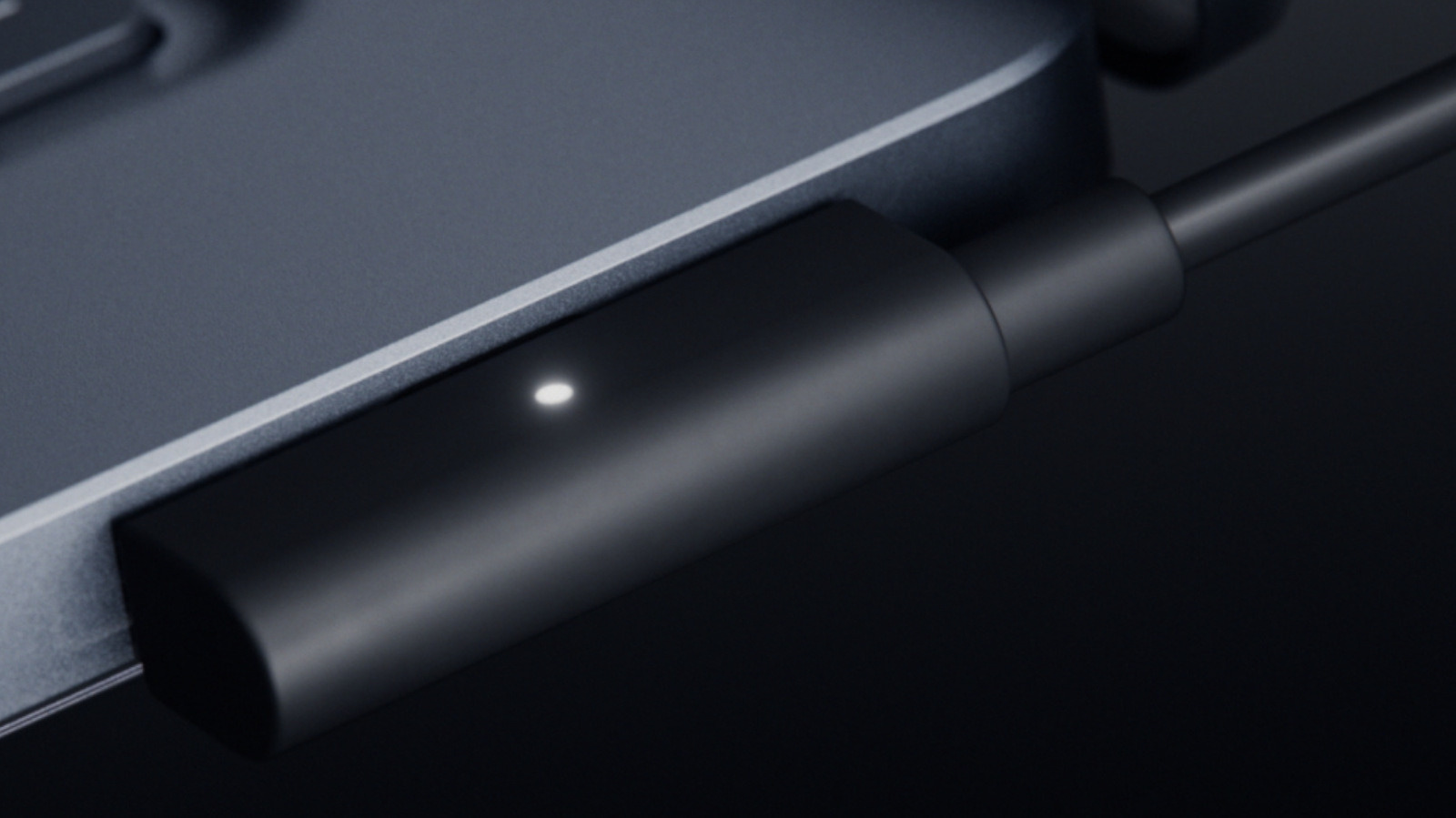
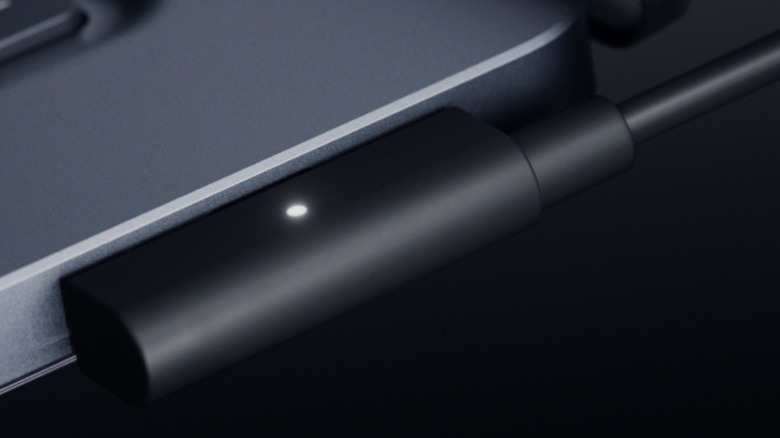
One smaller point that captured our attention was a new power port dubbed Magnetic Connect. Charging tech isn't normally a big deal, yet Microsoft devoted a portion of the show to it. That's remarkable when the company could've easily spent a few more minutes elaborating on Spark or Windows 11's AI upgrades.
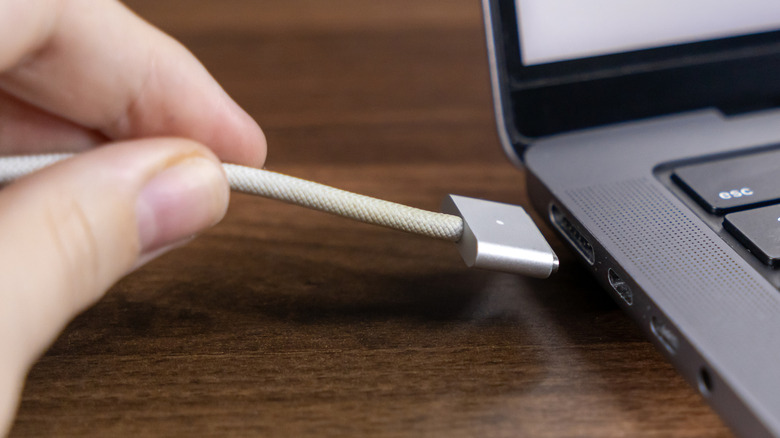
For Apple fans, the tech was immediately reminiscent of one thing: the MagSafe charging ports on MacBooks. There are a couple of important differences, though, and we wouldn't be surprised if Apple changes course to copy Microsoft. That would be an interesting reversal.
Fixing MagSafe's problems for future PCs
Microsoft
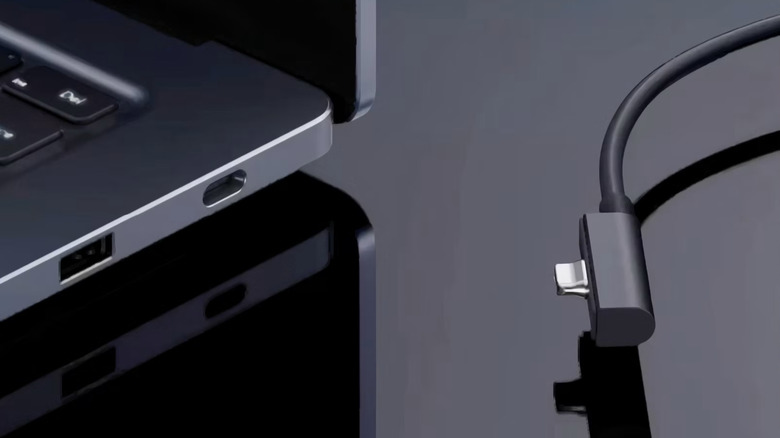
The major difference is that whereas MagSafe is a proprietary port — in the unfortunate tradition of other Apple formats, like Lightning — Magnetic Connect really isn't. It's just a Power Delivery-equipped USB-C port paired with a custom magnetic charging cable. The cable's connector aligns with the port automatically and uses a special funnel-shaped tip to slide in smoothly. No jokes, please.
Why does this matter? As Microsoft notes, it means that the port can be used for other functions when you're not charging. You can hook up an external monitor, a keyboard, your smartphone or any other peripheral you can think of. Laptops tend to have very few ports to begin with, so it's a welcome change to get a magnetic power hookup without sacrificing valuable real estate. Beyond Magnetic Connect, the Surface Laptop Ultra has two additional USB-C ports, plus HDMI, USB-A, an SD card reader and a 3.5mm headphone jack.
Significantly, Microsoft seems open to the idea of other companies adopting the technology. At the event, it said that it's hoping to lead the ecosystem, even if it didn't explicitly mention anything about licensing Magnetic Connect to other manufacturers. Doing that would likely be beneficial, since while Surface devices would no longer be special, owners would also have access to a wider variety of accessories that they could use interchangeably. Presumably, no one's buying the Ultra just for its charging options.
One big problem with MagSafe, in fact, is that while third-party cables are available, those are unlicensed. The only sanctioned and fully reliable ones come from Apple, which charges $49 apiece. Since Magnetic Connect is just a combination of USB-C and magnets, even knockoff products are likely to function just fine.
Is magnetic power really a game changer?
Alina Vytiuk/Getty Images
Yes and no. The reason Apple, Microsoft and others are interested in magnets is that, without them, there's a risk of tripping on a charging cable and sending your laptop hurtling to the floor. It's also mildly more convenient, since there's no effort wasted trying to align anything. That's it — there's no wireless transmission involved, and it's not as if you can't plug non-magnetic charging gear into the Ultra.
If Magnetic Connect does gain traction beyond Microsoft, it's liable to improve laptop design across the board by freeing up that port space we mentioned. Apple would be hard-pressed to look the other way, especially given that one of the reasons it finally adopted USB-C on iPhones was compliance with European Union regulations on mobile charging tech.
Don't expect Magnetic Connect to become a truly universal standard, as USB Power Delivery tops out at 240W. That's plenty for most laptops, but some gaming models require even more power to support the high-end CPUs and GPUs they're equipped with. That means both custom ports and giant charging bricks.
KioskNews shows a cleaned-up reading view extracted from the publisher’s page — the original always lives on their site, not ours.