Paramotor pilot ordered to pay £8000 to countryside walker he ran over in failed takeoff
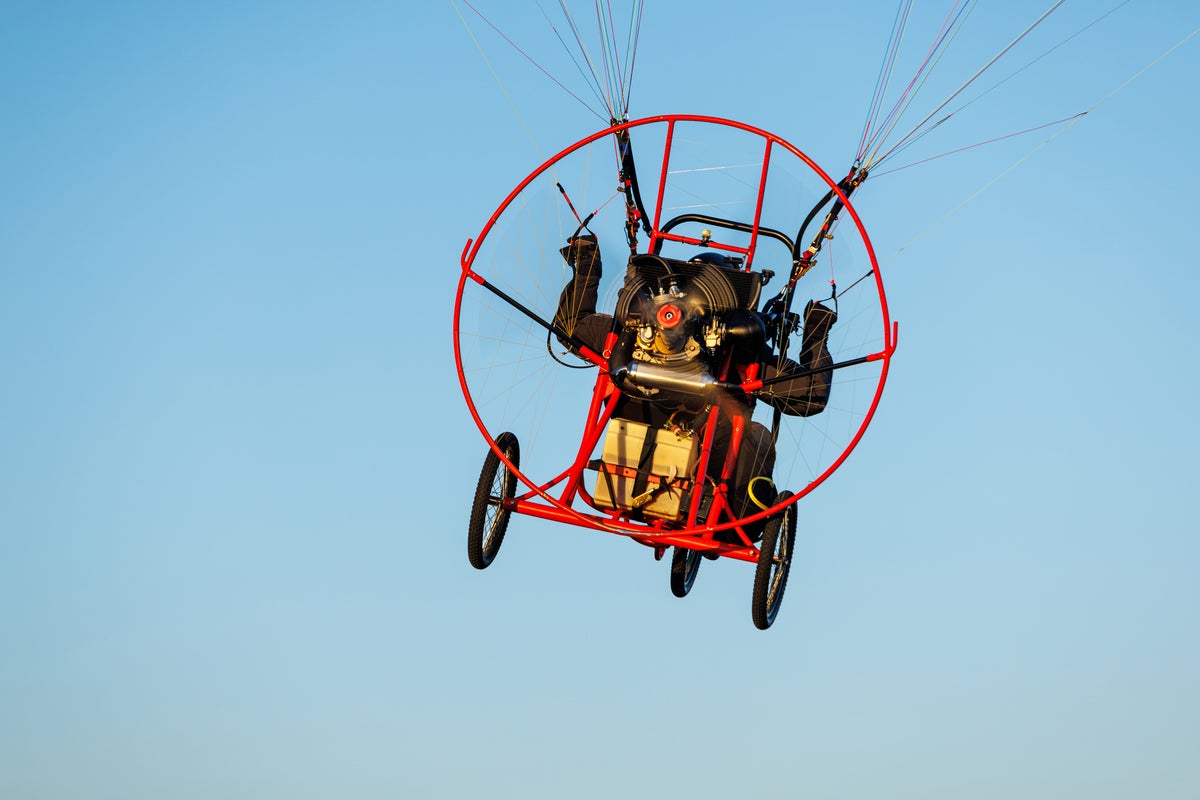
A paramotor pilot has admitted to endangering a person after running over a countryside walker during a failed take off attempt.
Mr David Soos, 64, plead guilty to operating a paramotor trike, a propeller-driven device capable of taking off, in a reckless manner following an investigation conducted by the UK Civil Aviation Authority (CAA).
The incident caused serious injury to a passer-by who was inside a farmer’s field in Reedness, Yorkshire when the accident occurred on 16 September 2024.
Mr Soos had been preparing the paramotor for flight when it began moving at pace towards the victim, who was unable to jump clear in time, CAA prosecutor Deborah Baljit told the court. He was apologetic and took the victim to hospital.
The casualty, aged in his early 40s, had been taking his bi-weekly walk through the fields at the time of the accident. He suffered fractures to his tibia, fibula and ankle, which medical staff rebuilt using a surgical plate and 13 screws.

Mr Soos, of Goole, North Humberside, was instructed to pay £8,000 in compensation to the victim after a hearing at Hull Magistrates’ Court on the 25 September.
People operating paramotors or powered hang gliders do not require a pilot licence or any form of airworthiness certification, although they still must comply with rules of the air. This includes keeping above the minimum heights and distances from people and property, taking off and landing well clear of congested areas and not operating in controlled airspace.
Michael Macdonald, Head of International Safety and General Aviation at the UK Civil Aviation Authority, said that case highlights the “serious consequences” of using paramotors in a reckless or negligent manner.
“At the Civil Aviation Authority, we are committed to maintaining the highest standards of aviation safety and will take enforcement action where alleged breaches of aviation regulations result in risk or harm to others.
“By prosecuting we are protecting the public and maintaining confidence in the high standards set for aviation safety in the UK.”
The CAA published The Paramotor Code in cooperation with the paramotoring community to guide pilots on these requirements.
KioskNews shows a cleaned-up reading view extracted from the publisher’s page — the original always lives on their site, not ours.