NHS patients wrongly given chemotherapy for years, report finds
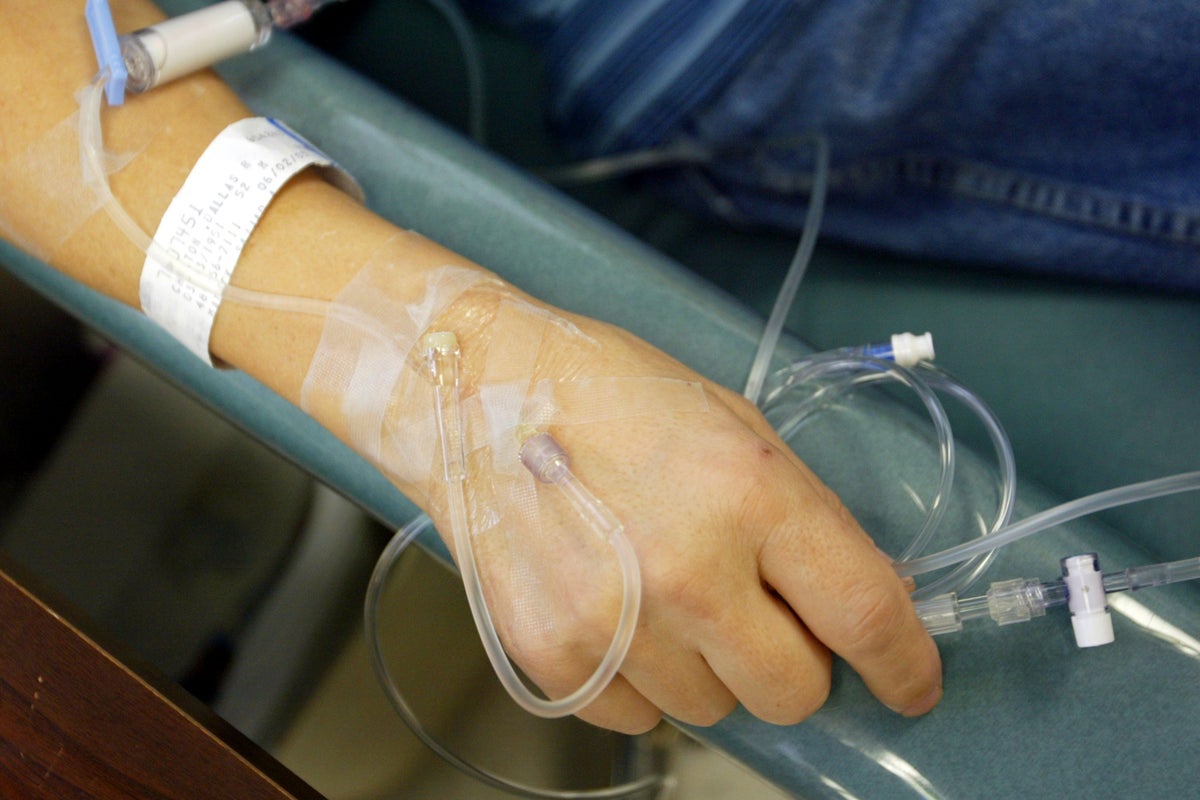
Patients with brain tumours were severely harmed after being wrongly given chemotherapy for years at University Hospitals Coventry and Warwickshire NHS Trust, a report has found.
Some were misdiagnosed, while others were told they would die if they stopped the chemotherapy, even though that was not true.
Leaders at the trust have now apologised for “failures”.
A report by the Royal College of Physicians (RCP), published on Wednesday, details the concerns behind the apology.
The trust asked the RCP to carry out a review after its own doctors raised the alarm over patients cared for by a consultant who has since retired.
Professor Andy Hardy, the trust's chief executive, and its chair, Sue Noyes, said meaningful action has been taken to address the concerns the report sets out.
“We are deeply sorry to all the patients and families affected by failures within our neuro-oncology service under the care of retired clinical oncologist Ian Brown,” Prof Hardy and Ms Noyes said in a statement.
“We recognise the concern, distress and loss of trust experienced by those who placed their faith in us during some of the most difficult moments of their lives.”
According to the statement, the RCP report showed how patients' chemotherapy treatment "was prolonged beyond accepted national guidance, and that opportunities were missed to challenge and oversee these clinical decisions sooner.
"It also, distressingly, shows that some patients experienced harm because of the care they received.
“This is far below the standards our patients deserve and that we expect. We let you down, and for that we offer our sincere apologies.”

The pair said the trust has extended its historical review back to 2005, the year national guidance for the chemotherapy drug temozolomide (TMZ) was first published, “to ensure affected patients are identified and supported”.
The statement added that the trust has already taken “decisive steps to strengthen our clinical governance and ensure all treatment decisions are made collaboratively”.
An independent review of “speaking up processes” are also being independently reviewed “to ensure staff feel fully supported and confident in raising any concerns.”
All living patients receiving TMZ at the trust have already had their care re-reviewed internally to ensure it aligned with expected standards, the trust added.
A “comprehensive independent external clinical review process” will also evaluate all living patients who received over 12 cycles of TMZ under Prof Brown.
The trust said anyone currently receiving cancer treatment there can be reassured it is “safe, effective, and closely monitored and our expert cancer teams are here for you whenever you need us”.
A doctor who worked with Prof Brown, Mr N, has retired from the trust, it said.
It has made a formal regulatory referral regarding Mr N to the Nursing and Midwifery Council (NMC) regulator.
The trust added: “We have initiated discussions with the NHS England regional director of patient safety to establish clear requirements and methodology for reviewing the cohort of deceased patients who received non-standard chemotherapy regime.”
The RCP report was published on Wednesday, and the trust's leaders say the actions taken in response address the concerns it details.
KioskNews shows a cleaned-up reading view extracted from the publisher’s page — the original always lives on their site, not ours.