Russia, Ukraine agree on prisoner exchange as talks end without major breakthrough
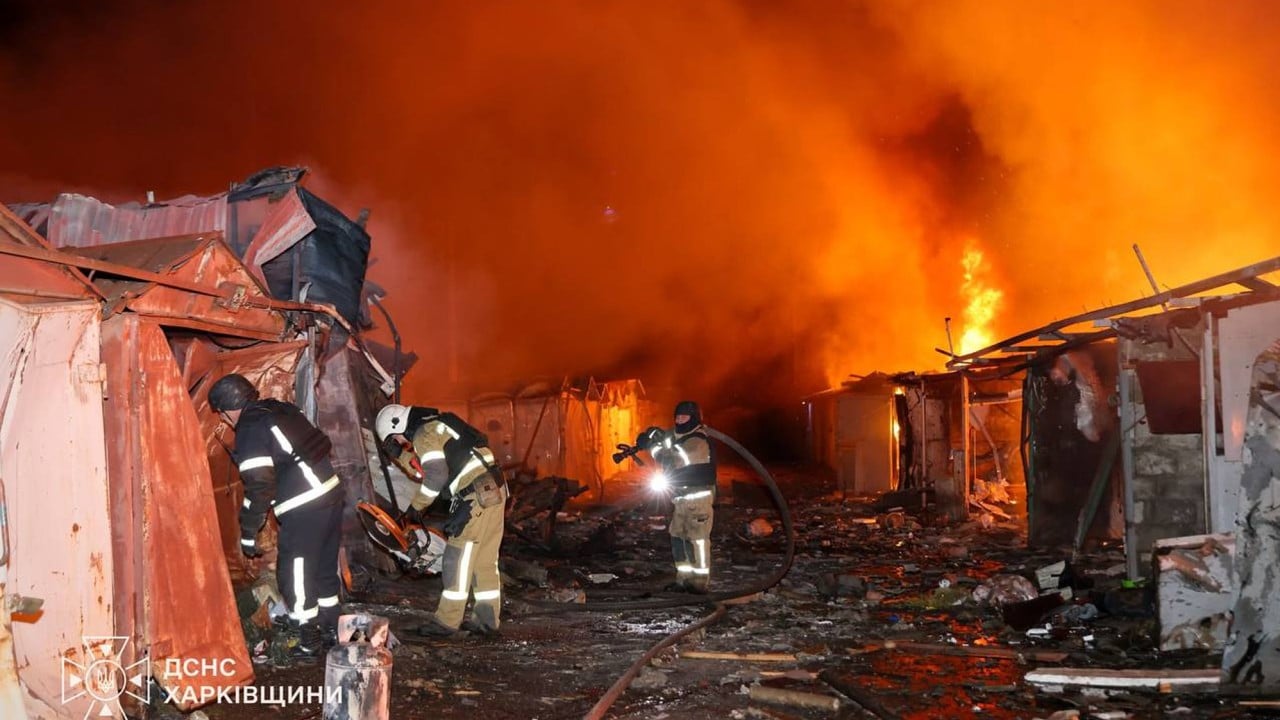
Russia and Ukraine agreed to a large exchange of prisoners of war, both sides said Wednesday as two days of US mediated talks concluded, but they announced no major breakthrough on ending the conflict that began after Moscow’s full-scale invasion nearly five years ago.
Hopes had been low for any significant development in the first meeting in nine months between the delegations. Russia and Ukraine have from time to time swapped POWs but have remained far apart in their demands for accepting a peace settlement.
US officials say they are determined to revive Washington’s peace efforts that so far have failed to deliver significant results.
As well as post-war security guarantees for both countries, other key hurdles for negotiators are the fate of Russian-occupied Ukrainian territory and what role European countries will play in an eventual settlement.
The session was the first such meeting since February on Russia’s invasion, which analysts and humanitarian organisations say has killed hundreds of thousands of soldiers and thousands of civilians.
The talks lasted just under two hours on Wednesday, after a four-hour session the previous day.
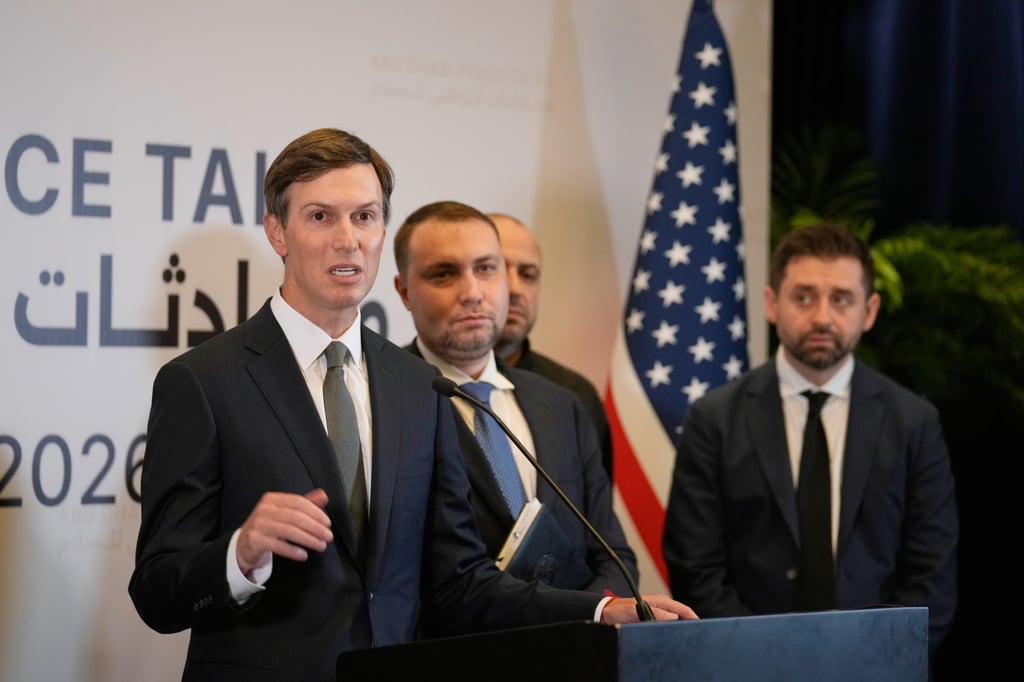
“One of the positives is we agreed that we’re going to have the biggest humanitarian release of prisoners, which we’re going to finalise the numbers tomorrow,” said Jared Kushner, US President Donald Trump’s son-in-law, after the talks in Abu Dhabi ended.
Vladimir Medinsky, the head of the Russian delegation, and Rustem Umerov, who led Kyiv’s contingent, confirmed the planned POW exchange, although Medinsky noted that the agreement was “in principle”.
Alexander Zorin, a deputy chief of the General Staff’s information department who attended the talks, told Russian state TV that it would be one of the biggest such swaps following the 1,000 soldiers returned home last year.
The latest exchange could take place in the next two or three weeks, he said.
Kushner said he and US envoy Steve Witkoff will travel to Moscow on Thursday to meet with President Vladimir Putin, then fly to Dublin, Ireland, to meet with Ukrainian President Volodymyr Zelensky.
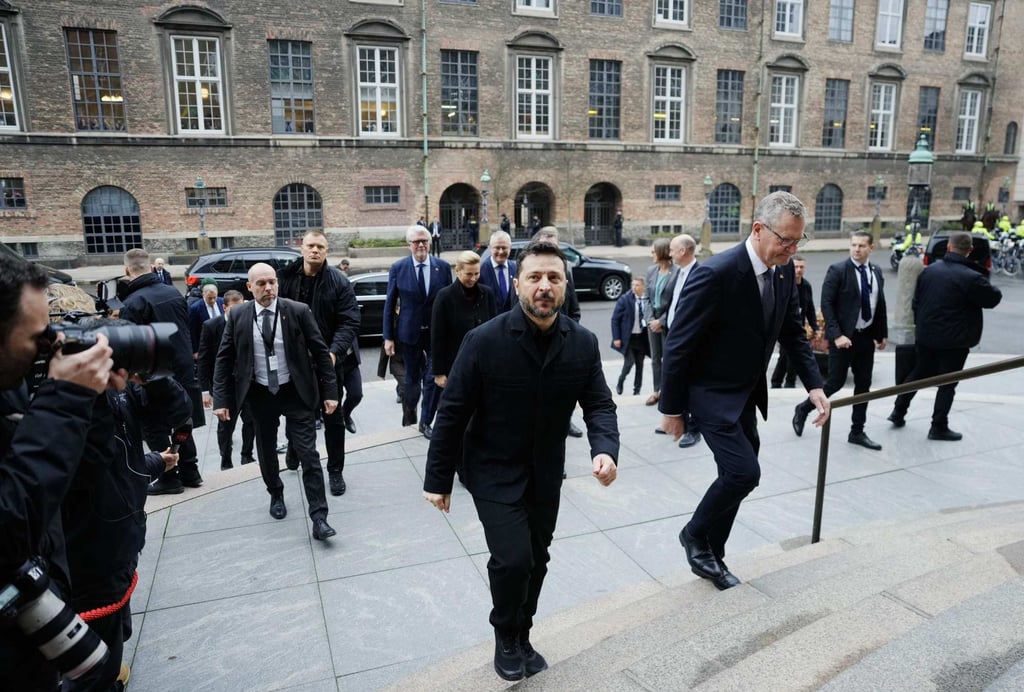
Umerov said Kyiv’s delegation was expected to meet later on Wednesday with representatives of European governments, the European Union and Nato who were in the capital of the United Arab Emirates but did not attend the three-way talks.
Moscow does not want European countries, which are concerned about Russia’s conduct and broader intentions on the continent, involved in the direct negotiations. Kushner said one of the goals of the Moscow meeting is to try to get Europeans added to the talks.
“Ukraine’s priority is to end the war as soon as possible with a dignified peace,” Zelensky said on social media. “We believe that Europe must be represented at every stage of real diplomacy. It is essential that the United States have a strong position and exert influence on the source of this war – that is Russia.”
Kremlin spokesman Dmitry Peskov said European representatives could eventually join peace talks, but he said their current statements “don’t indicate any desire on their part to contribute to movement along the path towards peace”. Moscow complains that Europe is financing and supplying weaponry to Ukraine.
Kushner said both Ukraine and Russia needed clarity on post-war security arrangements. He said European countries, the EU and Nato have to be involved in those discussions to build consensus on next steps.
Ukraine wants to make sure Moscow does not invade again, and EU officials have declared that any discussions on Europe’s security arrangements could only start after a ceasefire. Many in Europe see the inclusion of Russia in those plans as a concession to Putin, who has described Nato’s eastward expansion as a top threat to its security. Russia has demanded that the alliance pull back its troops from its borders.
Russia’s security concerns were discussed at the talks, Kushner said, adding that Moscow was told it needs to provide different de-escalation and proposals for them to be acceptable to Europe.
“The reality is there’s no trust right now between the sides. And that’s to be expected after a conflict like this,” he said.
The context of the negotiations has changed since the last meeting in February in Geneva. The Trump administration now has to reckon with Democrats taking over the US Congress in January following the US midterm elections, and they could demand more support for Ukraine.
Also, Russia’s wartime economy is under heavy strain, and Ukraine is reeling from devastating aerial attacks on its power grid.
KioskNews shows a cleaned-up reading view extracted from the publisher’s page — the original always lives on their site, not ours.