Shark selfies: why ‘finfluencers’ need to put their cameras away
Age: The phrase seems to have emerged in summer 2014 and will hopefully be retired as soon as possible.
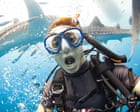
Appearance: Idyllic ocean content creation opportunity turned video nasty.
‘Shark selfies’ – please tell me you mean people are taking a picture of themselves standing in front of spacious tanks of very small, very well-treated captive sharks in an educational, ethical aquarium and nothing bad happens? No.
I feared as much. Tell me more. There have been a number of recent incidents in which people taking footage of themselves swimming and diving with sharks have been bitten.
That’s absolutely horrifying. Surely no amount of ‘engagement’ is worth risking that? Some “finfluencers” don’t seem to agree, posting footage of themselves touching sharks and even riding them. One 2020 study showed “a consistent theme of ‘pushy’ behaviour” by photographers and influencers on swim-with-wildlife tours: they were the most likely to ignore safety instructions.
Hang on, though. I thought sharks weren’t as dangerous as people make out? Well, unprovoked shark attacks remain exceptionally rare. The Florida Museum of Natural History’s International Shark Attack File (which claims to be the world’s only scientifically documented database of known shark attacks) catalogued 65 last year, but the organisation told the BBC it had seen an increase in the past three years of people being attacked while trying to capture footage.
So what’s behind this increase? Content creators getting too close is bad news for sharks, basically. Close contact with humans causes them to release stress hormones that can weaken their immune systems and may even increase the chance of death.
No wonder they’re getting snappy. Yes, the sharks may be feeling threatened. Research published last year on sharks in French Polynesia found around 5% of recorded bites appeared to be a result of self-defence because of close human contact. “These bites are simply a manifestation of survival instinct, and the responsibility for the incident needs to be reversed,” said the study lead, Dr Eric Clua.
The whole scenario feels extremely lose-lose for all concerned. It’s definitely not humanity’s finest hour.
I feel there’s an easy fix: don’t take shark selfies. Indeed. “You wouldn’t walk into the Serengeti and put your hand on the face of a lion,” as the shark scientist Kristian Parton told the BBC.
Do say: “There are more than 500 spectacular species of shark in the world …”
Don’t say: “… and none of them want to film a TikTok with you.”
KioskNews shows a cleaned-up reading view extracted from the publisher’s page — the original always lives on their site, not ours.