The US-China tech contest has moved – to the gatekeeping product testers
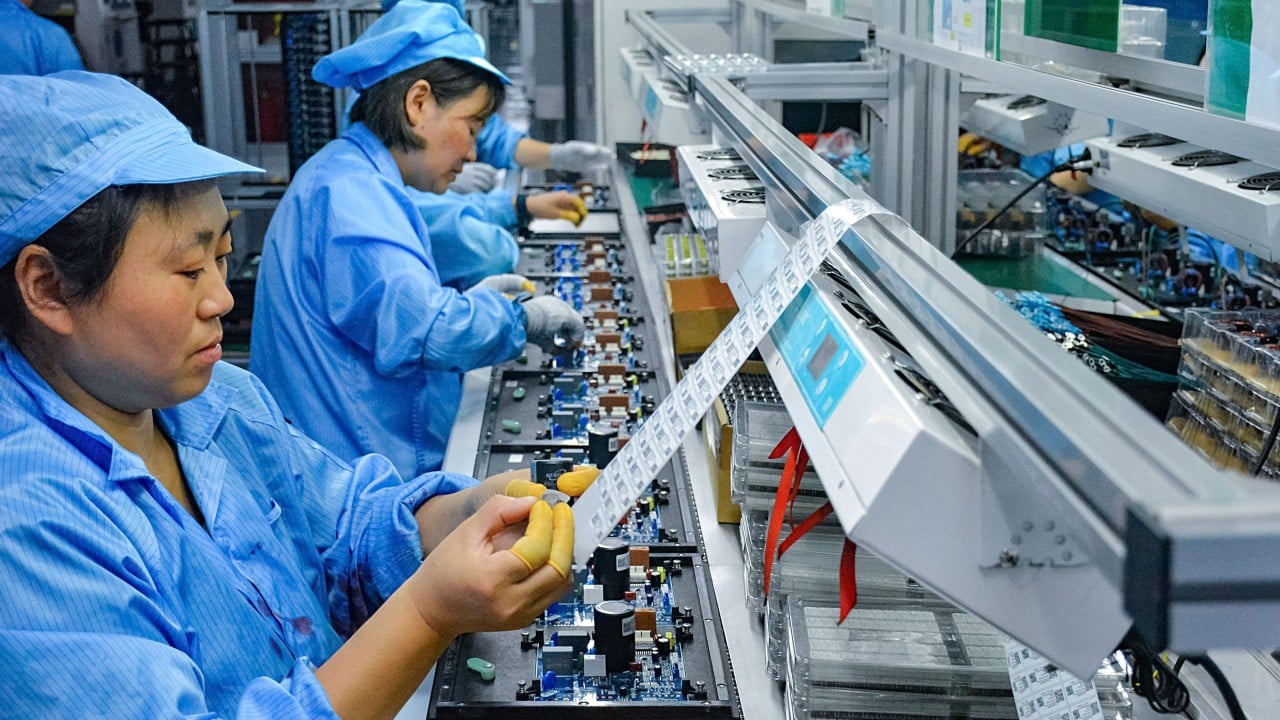
The latest front in the US-China technology contest is not advanced chips, artificial intelligence (AI) or telecommunications equipment. It is the laboratories that certify whether an electronic product may enter the American market.
On October 29, the US Federal Communications Commission (FCC) voted to stop recognising testing laboratories, telecoms certification bodies and accreditation organisations in China and in other economies that lack a “mutual recognition agreement” or comparable reciprocal arrangement with the United States.
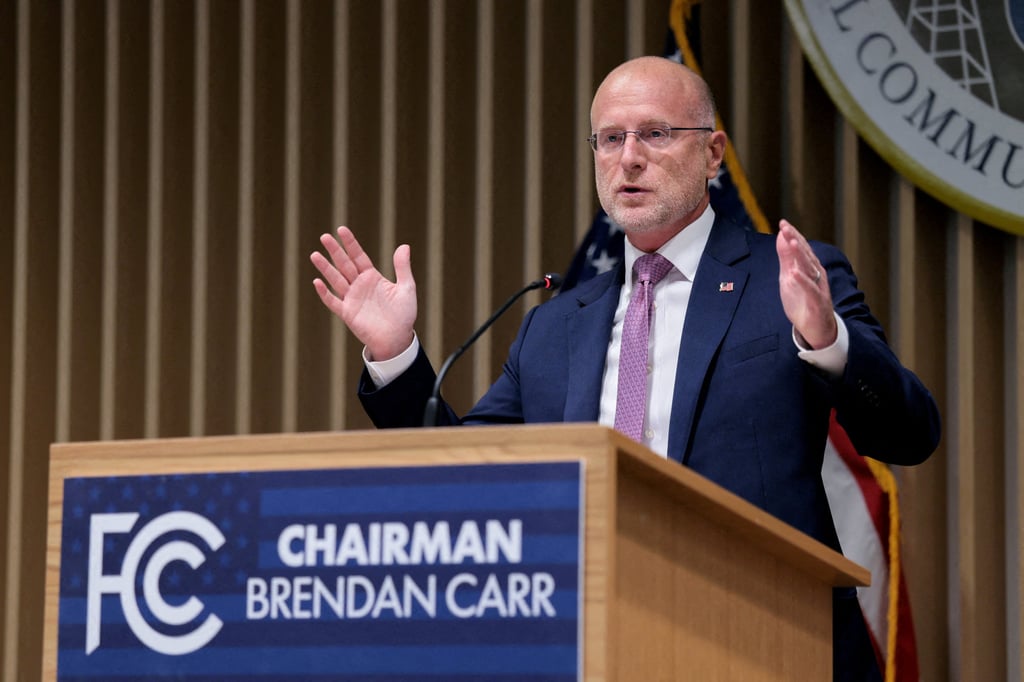
The restrictions take effect on December 1, 2028. FCC chairman Brendan Carr cited a striking statistic: last year, about 82 per cent of US equipment-authorisation applications were associated with testing firms in China, while fewer than 4 per cent involved testing in the US.
The figure is politically powerful. It also explains why Washington is acting.
The strongest American argument is strategic dependence. Testing laboratories are an essential part of the electronics supply chain. Before a radio-frequency device can be marketed in the US, engineers must show it meets requirements concerning emissions, interference, exposure limits and other technical standards.
If most of this work is concentrated in one country, diplomatic confrontation, regulatory intervention or disruption to cross-border services could affect the approval pipeline for thousands of products.
The second concern is regulatory control. US authorities have investigated cases involving falsified test results, misleading statements about where technical work was performed, and certification bodies whose personnel and operations did not match their declared structure.
When laboratories, engineers and original records are outside US jurisdiction, investigation and enforcement become harder. Testing institutions also gain early access to unreleased products, engineering data and commercially sensitive information. Washington has reason to ask whether institutions in such a privileged position can be audited, investigated and held accountable.
The third argument is reciprocity. Chinese laboratories have been able to test products for the US market, while Washington says US laboratories have not received equivalent access in China. The FCC has now made reciprocal treatment a condition of participation in its equipment-authorisation system.
Industrial policy is the fourth motivation. Testing moved to China for much the same reasons electronics manufacturing did: lower costs, engineering expertise and proximity to factories and component suppliers. By excluding institutions located in China, Washington can redirect some of that business to American laboratories and approved partner economies.
The policy may help the US rebuild testing expertise and expand capacity. It also gives Washington leverage. Access to the American market can now be used to persuade other governments to accept reciprocal arrangements on US terms.
01:48
US bans imports of new Chinese robots and power inverters in latest tech crackdown
National security, regulatory integrity, reciprocity and industrial policy are therefore embedded in the same measure. The FCC rule is an attempt to reclaim control over a market-access gateway that Washington believes has become dangerously concentrated abroad.
SCMP Plus is a new premium news platform that gives you an
all-inclusive edge to stay ahead on China news.
To access our exclusive content you’ll need to subscribe.
Already a subscriber?
LOG IN
However, electronics manufacturers depend on rapid interaction among laboratories, designers, component suppliers and factories. Separating formal testing from production may require prototypes to cross borders repeatedly, technical questions to move between distant teams, and manufacturers to wait longer for retesting.
Large multinational companies can reserve overseas capacity and absorb the additional expense. Smaller exporters and companies will struggle more. Some may reduce the number of products they offer in the US; others may decide the market is no longer worth entering.
Washington should not assume that moving testing will lead to manufacturing reshoring. Companies can continue producing electronics in China while sending samples to recognised laboratories elsewhere.
09:42
Trump promises to bring US manufacturing back from China, but will his tariffs work?
For China, the immediate losses will fall on testing institutions that have invested in equipment, engineers and FCC recognition. Larger groups may establish genuine operations abroad or acquire overseas laboratories. Smaller institutions may be forced to consolidate, withdraw from the US-facing business or close. The deeper damage is that China’s integrated design-manufacture-test-correct cycle may be weakened.
If final testing, certification coordination and customer relationships move abroad, that feedback loop becomes less efficient. Some high-value engineering, compliance and client-management functions may eventually follow the certification business overseas.
The strategic weakness exposed by the FCC decision is that China does not control whether its test results are accepted by a major export market.
02:58
US battery start-up launches China factory ahead of Trump-Xi summit in Washington
China can possess the manufacturing ecosystem, engineers and technical capacity, yet still lack the authority to convert those assets into internationally recognised compliance. The contest increasingly concerns who has the power to declare its product fit for sale. China must make its testing industry easier for outsiders to trust.
Transparent ownership, traceable data, independent audits and credible disciplinary procedures would make it harder to treat every Chinese laboratory as part of a single undifferentiated risk. The most effective answer to allegations of untrustworthiness is evidence that can withstand scrutiny.
The next phase of the US-China technology contest will not be fought only in factories, chip plants or research centres. It will also be fought at the gate where technical evidence becomes permission to sell. At that gate, credibility is power.
KioskNews shows a cleaned-up reading view extracted from the publisher’s page — the original always lives on their site, not ours.