For the first time, Mumbai civic body turns to wildlife management — for a dam
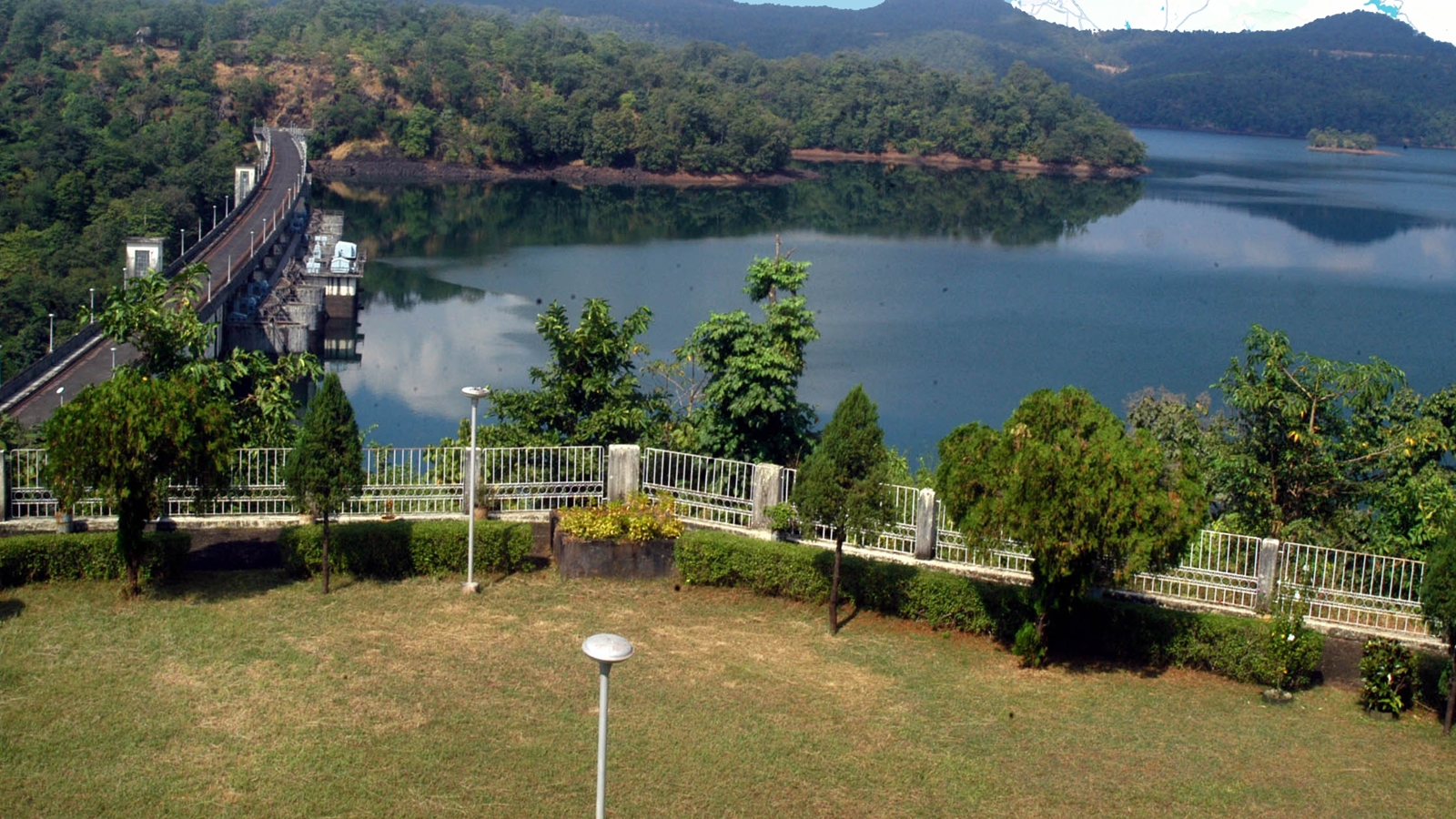
Civic bodies usually build roads, lay pipes and collect garbage. But, in a first, the Brihanmumbai Municipal Corporation (BMC), the country’s richest civic body, is extending its role to wildlife management and relocation of tribal villages, too.
The larger goal is to secure more drinking water for Mumbai. For this, the BMC has proposed a Rs 3,065-crore project to build a dam on the Gargai river, in neighbouring Palghar district. Earlier this week, the National Board for Wildlife (NBWL) cleared the project, subject to some commitments proposed by the BMC.
It has committed to introduce prey animals like spotted deer and antelopes in the area, in the hope that leopards will follow. According to officials, leopards are mostly spotted in the north-western, central and southern parts of the 335-sq-km sanctuary at present.
“At present, apex predators like leopards are not found in the northern parts of the forest. To attract them to this stretch, we will need to introduce herbivores such as deer and antelopes. This will encourage leopards to move towards the northern side of the forest, helping restore the food chain,” a senior official told The Indian Express.
However, a similar attempt had failed earlier. In 2015, the forest department had released spotted deer in the area, but most were hunted and killed by local tribals.
Six tribal villages lie near the area earmarked for the dam. According to a 2019 survey, these villages are home to 619 members of tribal communities. Under the plan, they will be rehabilitated in Wada town, 21 km away, and one member of each family will be offered a job with the civic body.
Story continues below this ad
“Relocating the villagers will eliminate human interference within the forest zone, making it an ideal habitat for animal breeding. With the introduction of herbivores, the food chain in the forest will also be restored,” said the official.
The measures are part of a wildlife management plan drawn up with experts from the Wildlife Institute of India (WII). The official said the forest department will carry out the plan, as the civic body lacks wildlife expertise. A corpus of Rs 250 crore, about 8 per cent of the project cost, has been earmarked for it.
The BMC also proposes to convert more than 500 hectares of non-forest land into forest. Officials said over three lakh trees in the project area will be transplanted.
There is also a proposal to divert State Highway 34, which passes through the forest, to reduce disturbance to wildlife. Officials said part of Khodade village, which will be submerged, is proposed to be developed as a breeding habitat for reptiles like pythons, cobras and monitor lizards.
Story continues below this ad
This is the first wildlife mitigation plan that the BMC has proposed. It differs from the biodiversity plans drawn up by other municipal corporations, which document and conserve plants and animals within their own, largely urban, limits.
Mumbai draws about 4,100 MLD (million litres a day) from seven lakes against a demand of about 4,600 MLD, and is currently under a 10 per cent water cut. The BMC expects demand to touch 6,424 MLD by 2041.
The Gargai dam is projected to add 450 million litres a day (MLD) to the water supply. It is one of several projects planned to close the gap. Others include a seawater desalination plant at Manori, which will start at 200 MLD and can be expanded to 400 MLD.
Dams are usually built by state irrigation and water resources departments. The BMC is the only civic body to have built, owned and operated several, including Tulsi, Vihar, Tansa, Modak Sagar and Middle Vaitarna, the last completed in 2014. Gargai would be its sixth.
Story continues below this ad
While the Navi Mumbai Municipal Corporation took over the Morbe dam in Khalapur in 2010, it was built by the state government.
KioskNews shows a cleaned-up reading view extracted from the publisher’s page — the original always lives on their site, not ours.