Canadian teen makes keychains from used shuttlecocks, raises nearly $600 for WWF
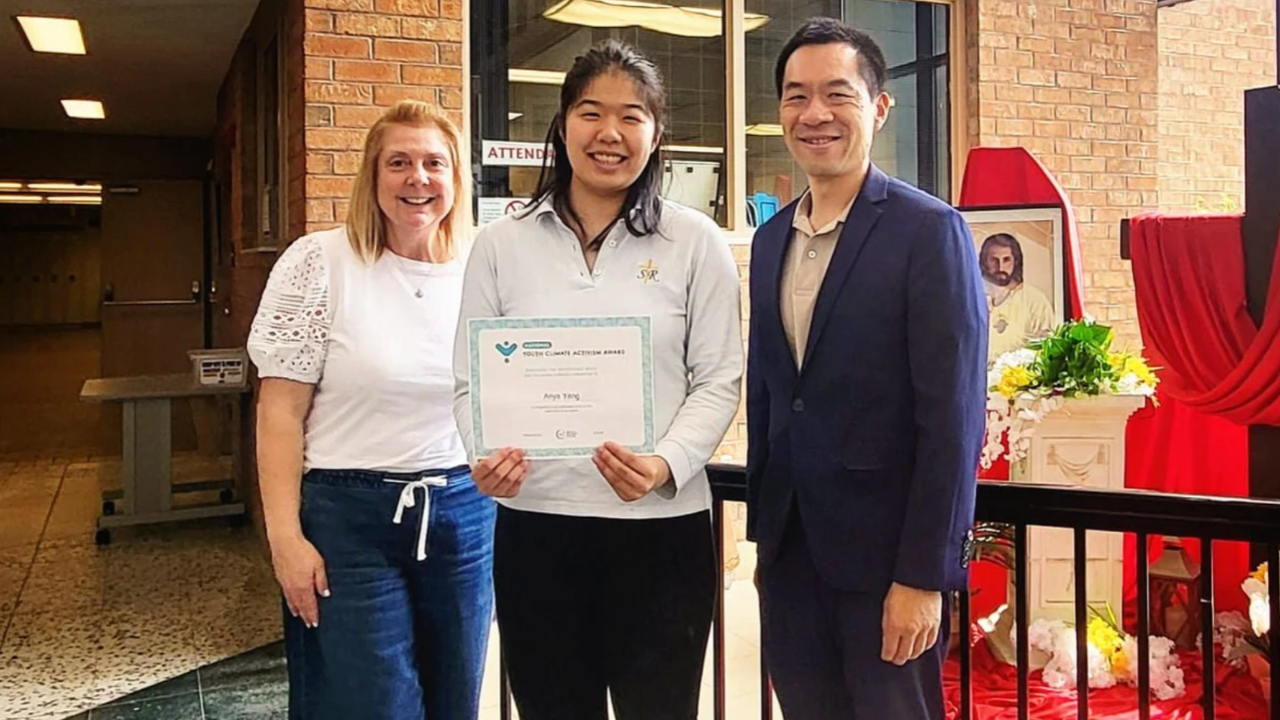
Image: National Youth Climate Activism Award
Upcycled badminton shuttlecock keychains are the creation of Anya Yang, an 18-year-old Canadian high school student from Markham, Ontario. She co-founded Birdie UP Canada with two of her friends to turn shuttlecocks bound for landfill into useful works of art, selling the finished keychains at various events.
The proceeds go to the World Wildlife Fund, which received almost $600, and to other charities engaged in social and environmental justice. Yang also recruited volunteers to teach children about reuse and upcycling. She is a 2025 winner of the National Youth Climate Action Award from the Institute for Sustainability Education and Action.
Why Anya Yang took on badminton shuttlecocks: short-lived plastic and cork waste at tournaments
According to National Observer, badminton has 339 million players worldwide, and each of them gets through multiple shuttlecocks that last only a short time.
A broken or ruffled shuttlecock is simply thrown away, and bins at tournaments commonly overflow with them. Most are made from plastics, cork and other materials that do not decompose rapidly, if at all.
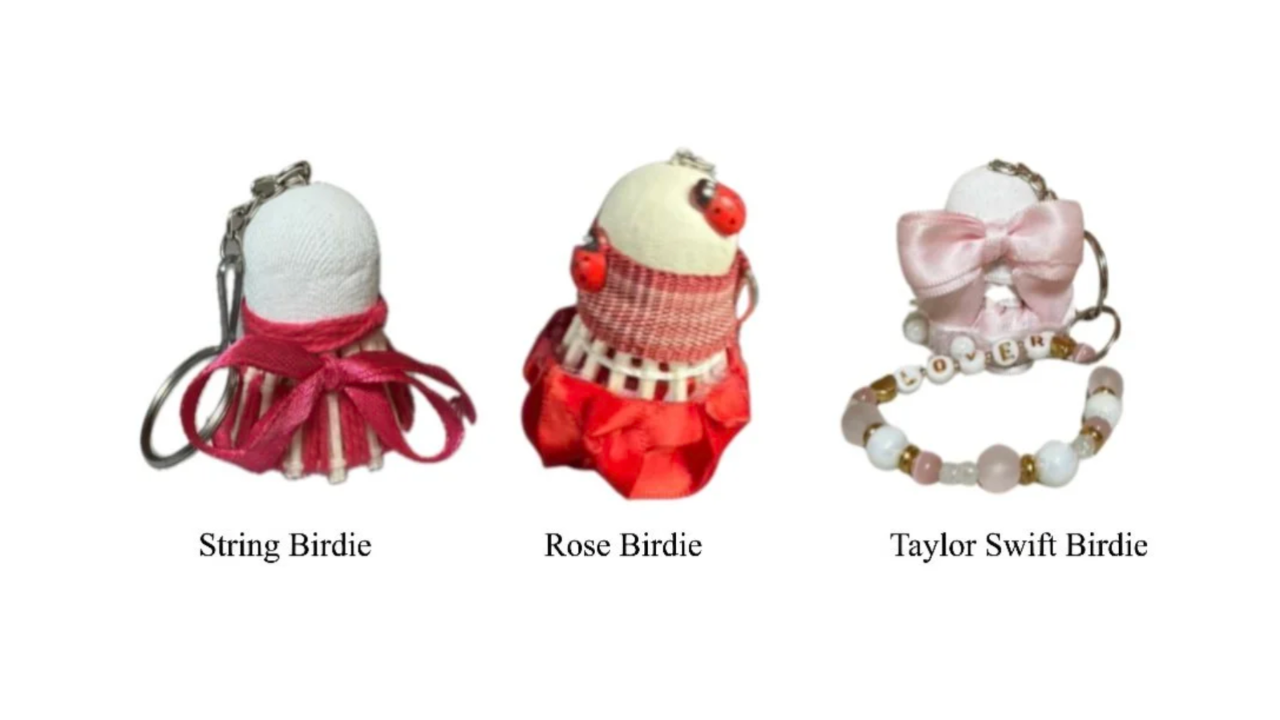
The recycled keychains (Image: @birdieUP.canada)
From a basement start to dozens of volunteers: How three friends built their keychain project
The idea took shape when Yang was 15 and watched a video about the conservationist Julie Church, whose organisation, Ocean Sole, turns flip-flops washed up on the Kenyan coast into colourful sculptures. A keen badminton player troubled by the waste around her sport, Yang began experimenting with shuttlecocks.
In October 2024, she and her friends Christine Liang and Ivy Forchune started making keychains from discarded shuttlecocks and donated art materials in her basement.
The design has since been reworked, and the group has tried new decorative themes. It began by selling door-to-door before moving to events, where demand proved strong enough for the keychain price to double. A team of three has grown to dozens of volunteers.
How hands-on workshops let children take home their own artwork and spread reuse to their families
Yang and her friends also run workshops that teach children to make the keychains. Yang told National Observer that the children take their own artwork home, which helps teach their families about the importance of reuse and upcycling. She also planned a video for social media showing how to make the keychains.
KioskNews shows a cleaned-up reading view extracted from the publisher’s page — the original always lives on their site, not ours.