A French explorer’s guide to winning favour in old Siam, Cambodia and Laos
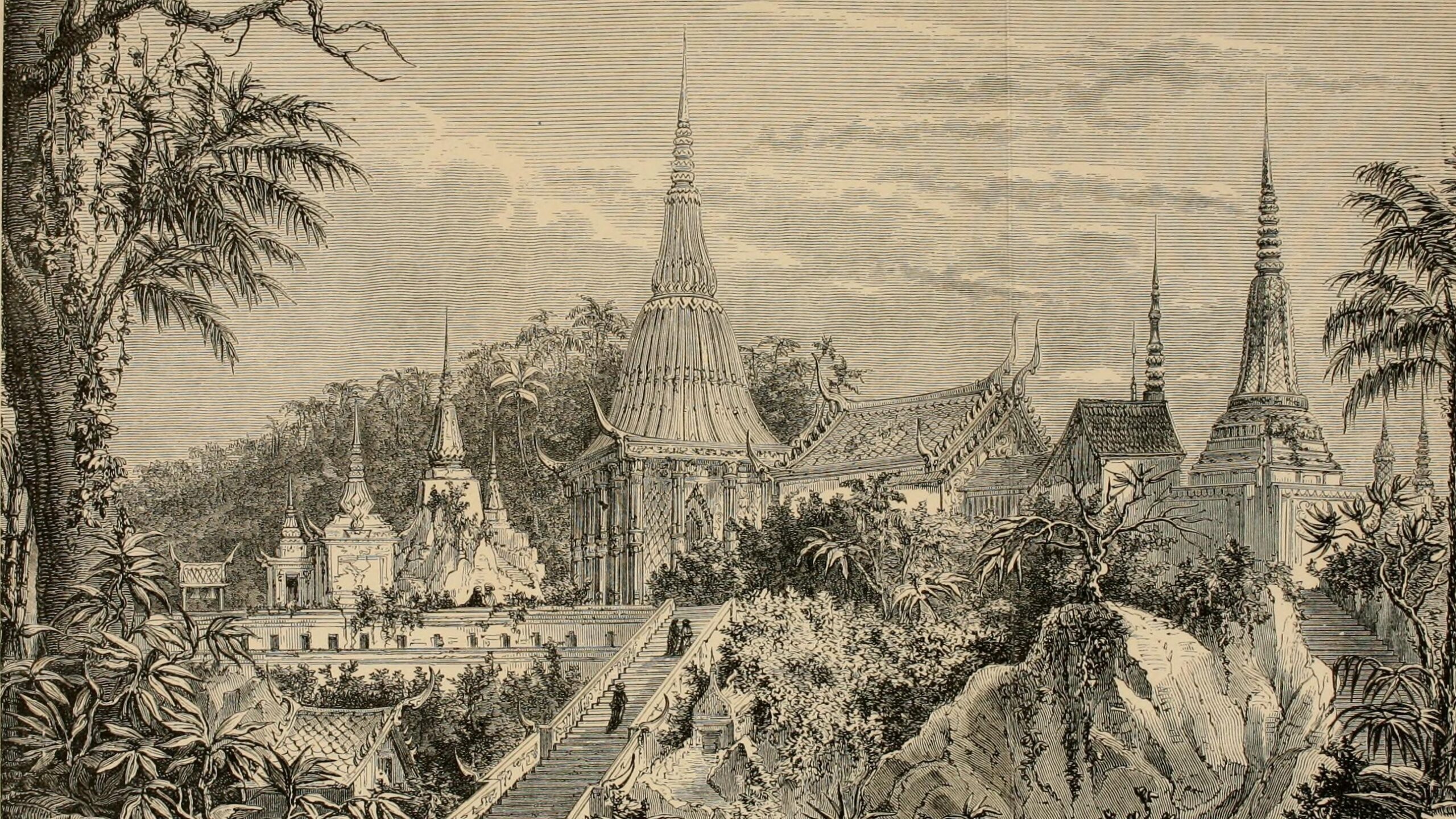
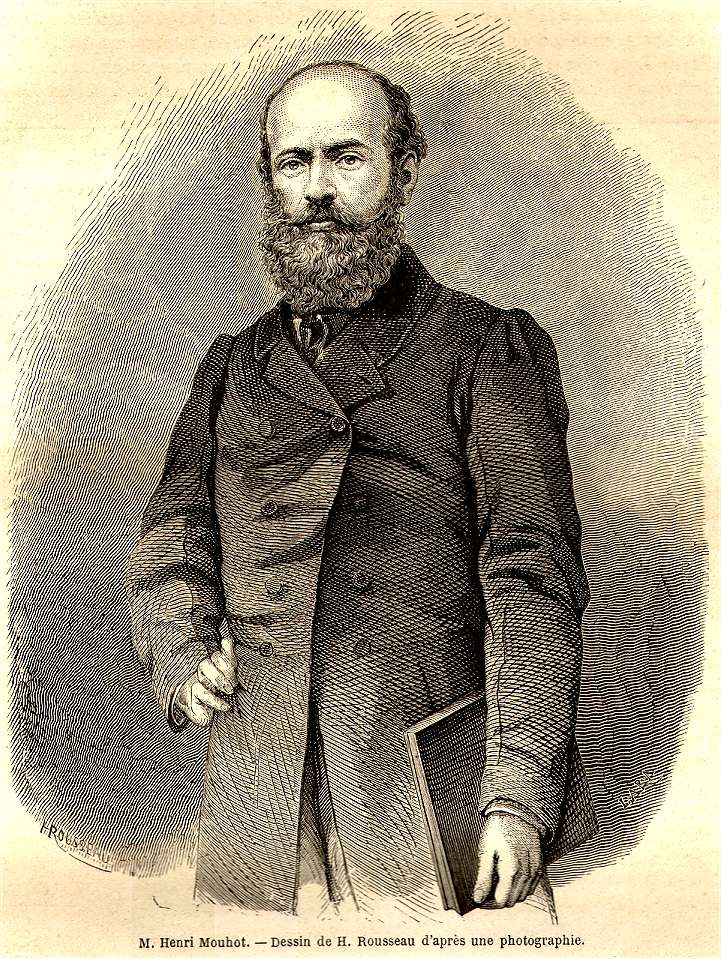
For 19th-century travellers exploring mainland Southeast Asia, a gift could be more than a gesture of goodwill. According to French explorer Henri Mouhot, it was often the first step towards receiving hospitality from kings, nobles and religious figures across Siam, Cambodia and Laos.
Mouhot travelled through the region between 1858 and 1861, during the reign of King Rama IV of Siam. His observations were later published in Voyage dans les royaumes de Siam, de Cambodge, de Laos et autres parties centrales de l’Indo-Chine.
The account offers a glimpse into the social customs of the region during the 19th century, including a recurring practice that Mouhot encountered throughout his journeys: presenting gifts to those in positions of authority before expecting assistance or a warm reception.
A gift at a temple in Saraburi
During a visit to Wat Phra Phutthachai in Saraburi, Mouhot described how the abbot and two attendants were astonished to see a foreigner, or “farang”, arrive at their temple.
His account suggested that the initial surprise quickly gave way to hospitality after he presented a few small gifts.
The encounter illustrated how gift-giving could help bridge differences in language and culture, allowing a foreign traveller to establish a relationship with people who might otherwise have regarded him as an unfamiliar outsider.
From Siamese temples to Cambodian royalty
Mouhot observed a similar custom when he travelled to Oudong, then the Cambodian royal capital, to meet the king.
He noted that Cambodia followed a practice comparable to that of Siam: anyone seeking royal favour or the attention of high-ranking officials was expected to begin by offering gifts.
The custom was not limited to encounters with monarchs. Mouhot also described the gifts he prepared when visiting the king of Luang Prabang in present-day Laos.
On that occasion, he gave the king a rifle and brought numerous other presents for members of the royal family. He wrote that journeys through the country could hardly proceed successfully without gifts for the king, royal relatives, nobles and other people of influence.
Gifts and the culture of patronage
Taken together, Mouhot’s observations reveal how gift-giving shaped his interactions with people across the region. Presents served as a practical means of securing a welcome, gaining access to influential figures and building relationships in unfamiliar surroundings.
His accounts also offer a historical window into patronage, a system in which people sought protection, assistance or favour from those with greater authority and status. Expressions of gratitude and reciprocal obligations could form part of these relationships.
Rather than treating gifts as isolated acts of generosity, Mouhot’s experiences suggest that they were embedded in the social expectations of the time. For a traveller navigating different courts, temples and communities, understanding these customs was an important part of the journey.
His travelogue remains a valuable historical record of how an outsider perceived the societies of Siam, Cambodia and Laos in the mid-19th century, while also reflecting the limitations of an individual traveller’s observations. His experiences offer one perspective on the region’s social traditions, rather than a complete account of how everyone lived or conducted relationships.
KioskNews shows a cleaned-up reading view extracted from the publisher’s page — the original always lives on their site, not ours.