Forget The Sopranos, HBO's 4-Season Michael Crichton Series The Most Infuriating Cliffhanger Finale

Craig began contributing to Screen Rant in 2016 and has been ranting ever since, mostly to himself in a darkened room. After previously writing for various outlets, Craig's focus turned to TV and film, where a steady upbringing of science fiction and comic books finally became useful. Craig has previously been published by sites such as Den of Geek.
Craig is an approved critic on Rotten Tomatoes.
LinkedIn: https://www.linkedin.com/in/craig-elvy-5b31a3381/
Tony Soprano sits in a diner with his family. Journey's "Don't Stop Believin'" plays in the background. The diner door opens, and Tony looks up. Cut to black. It's one of the most iconic and infamous endings in TV history, and remains a huge part of The Sopranos' legacy almost 20 years on. The ambiguous and outwardly mundane nature of that final scene immediately enshrined it as one of TV history's most talked-about moments, and while some despise it with a vengeance, others appreciate the deeper meaning behind David Chase's creative gamble.
At least The Sopranos had the opportunity to go out on its own terms, for better or worse. Plenty of shows end on infuriating cliffhangers not out of artistic defiance, but because they simply get canceled by powers above them. Backlash from fans is always inevitable in these cases, but said fandoms are usually small in scale, hence these series getting axed in the first place.
It's exceedingly rare that a high-profile series gets unexpectedly canceled after multiple seasons and still ends on a cliffhanger the size of the Hoover Dam, but that's exactly what happened to Westworld, which concluded on a note far more uncertain and rage-inducing than The Sopranos ever did.
Westworld Ended Just As It Reached The Entire Point Of The Story

Proponents of The Sopranos' ending claim that the sudden cut to black worked as an inventive way of showing Tony Soprano's death without really showing it, staying true to the show's bold, mold-breaking spirit. Ultimately, the viewer didn't need to see the bullet physically hit Tony's body. David Chase handed his audience the jigsaw pieces and allowed them to assemble the meaning for themselves. The unseen part of The Sopranos' ending is the least important part.
The unseen part of Westworld's ending, on the other hand, would have been the entire point of the show.
By season 4, Westworld had become a spaghetti of criss-crossing timelines, clones who didn't know they were clones, and digital realities hiding in plain sight. The simple version of the ending is that The Man in Black's robotic counterpart goes rogue and triggers the apocalypse, with humans and hosts pushing each other to extinction. The efforts of Westworld's various heroes leave one final shred of hope: a return to a digital version of Delos' Westworld park, where Dolores will use the simulation to find a way humans and hosts can survive as one, or die forever.
Those involved with the show have confirmed that a fifth and final season was planned before being canceled by HBO, and it's easy to see why. Westworld was never above doing an 'absolutely everyone dies' ending, but such bleak nihilism was never the point of the story, nor does it carry any real meaning, even with the olive branch that Dolores may or may not save us.
No, the point of Westworld from the very beginning was the middle ground. The possibility of balance between human life and synthetic life. In Westworld season 1, we saw humans reigning over their mechanical creations. By the start of season 4, power had shifted in the hosts' favor. The destination Westworld's train was undoubtedly chugging toward could only have been the sweet station of coexistence.
One could argue that Westworld's ambiguous ending is no different to The Sopranos, with both finales teasing an unseen outcome. The vital difference is that the question posed by Westworld's closing episode, "Can humans and hosts ever coexist?" is exactly the same question that was being asked in season 1. Without Westworld season 5, that conversation never moves toward any kind of answer. The Sopranos' ending gave viewers an answer, it just wasn't a straightforward one.
Westworld Left An Entire Timeline Unexplored

The argument that Westworld season 4's finale worked as an overall ending crumbles further when considering that one future timeline was never explained. Sitting directly between the show's 'Westworld' and 'Futureworld' halves, season 2 departed with a stinger seemingly set way into the future, showing William back in the park and undergoing the fidelity tests that were designed for developing human immortality.
The sequence can't slot into the timeframe of Westworld seasons 3 and 4, so must have been depicting events yet to come, leading toward the bigger endgame of James Delos playing god with human mortality. It's a theme that would have harmonized with Westworld season 5's premise of human-host coexistence, potentially even explaining how humans repopulate Earth after being decimated in the closing act of season 4. Alas, the cancellation of Westworld put paid to any kind of resolution that would've opened the 'William's fidelity test' mystery box.
Does Westworld's Incomplete Ending Make It Hard To Watch Today?
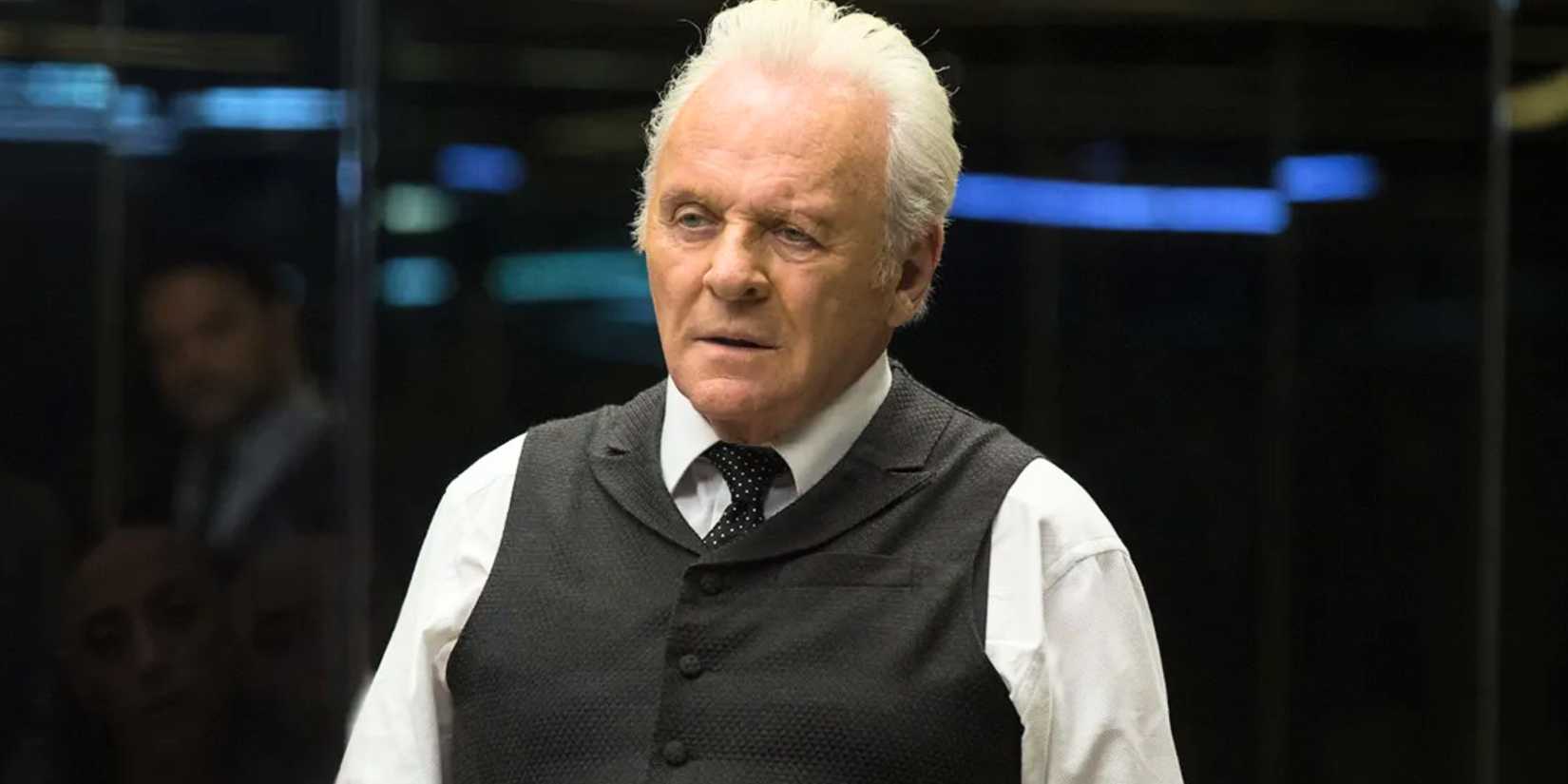
Even the biggest detractors of The Sopranos' ending likely wouldn't advise newcomers against binging the series in 2026. The same goes for other classic pre-streaming shows with divisive finales, such as Lost and Twin Peaks, which have both found new audiences in later years.
But in an age where hundreds of box sets are available at the touch of a button, questions have been raised over the value of recommending or rewatching a multi-season TV series known to have an unpopular or incomplete ending. Game of Thrones would be the most notable example. Westeros was the most popular realm on TV throughout most of the 2010s, then a lackluster final season permanently dented its reputation.
It's unfortunate that Westworld has ended up falling into the same category. Looking back at the four seasons HBO aired, Westworld season 1 was truly standout, season 2 less so, season 3 struggled, but then Westworld season 4 could be considered underrated. When you weigh that alongside the fact that Westworld ended one season before it was supposed to and failed to address some sizable mysteries, it becomes difficult to recommend the series to newcomers or summon the motivation to watch it a second time.
The situation would likely have been very different had HBO gone ahead with Westworld season 5. Elements of season 4 suggested the showrunners had a clear endgame in mind, and any kind of conclusion would have been preferable to the cliffhanger Westworld ultimately bowed out with.
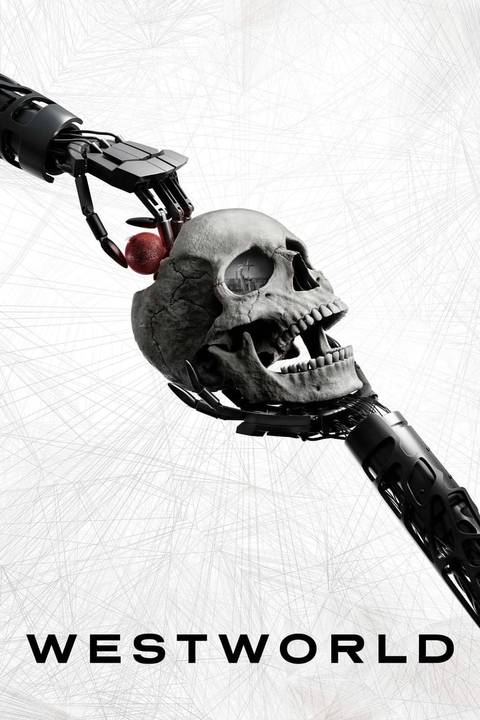
- Release Date
- 2016 - 2022-00-00
- Network
- HBO
- Showrunner
- Jonathan Nolan, Lisa Joy
- Directors
- Fred Toye, Jennifer Getzinger, Stephen Williams, Vincenzo Natali, Craig William Macneill, Anna Foerster, Craig Zobel, Hanelle M. Culpepper, Helen Shaver, Jonny Campbell, Michelle MacLaren, Neil Marshall, Nicole Kassell, Tarik Saleh, Uta Briesewitz, Lisa Joy, Meera Menon
- Writers
- Roberto Patino, Carly Wray, Ron Fitzgerald, Daniel T. Thomsen, Karrie Crouse, Wes Humphrey
KioskNews shows a cleaned-up reading view extracted from the publisher’s page — the original always lives on their site, not ours.