Admission scores fall for Hong Kong physiotherapy courses amid jobs crunch
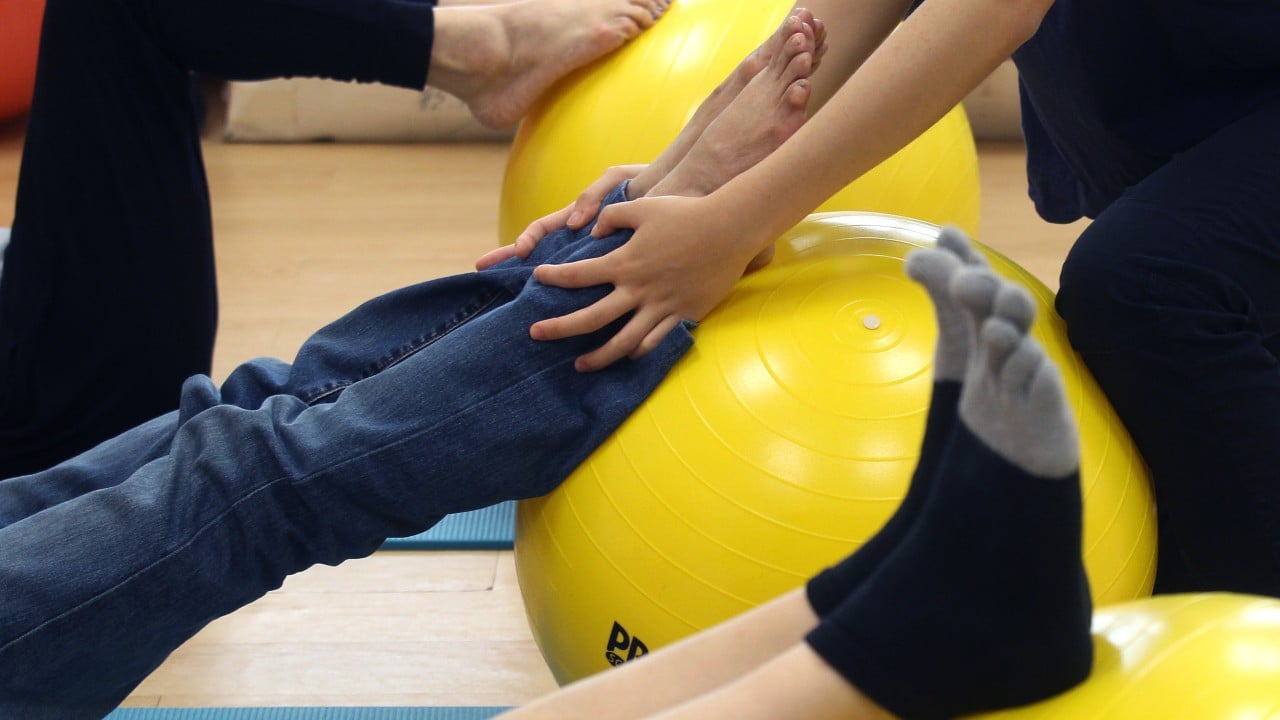
Admission scores for physiotherapy degree programmes at three Hong Kong tertiary institutions fell by as much as 10 per cent this year compared with 2025, amid gloomy career prospects in the sector, the latest data shows.
The decline prompted the professional body for physiotherapists to call on the government to halt healthcare funding cuts in the next budget, saying they had contributed to a jobs crunch in the sector.
Across four institutions, 23 per cent of students admitted to physiotherapy programmes this year had ranked the course outside their top three choices, up from just 2 per cent in 2025. The figures suggest that more first-year students did not consider physiotherapy their preferred field of study.
The fall in both popularity and admission scores came after the government announced last year that recurrent public expenditure would be cut by 1 to 2 per cent in 2025-26, with the arrangement extended to 2027-28.
These budget constraints coincide with an unprecedented increase in the number of new practitioners entering the market. Physiotherapy graduates are facing a jobs crunch and have voiced their difficulties finding work.
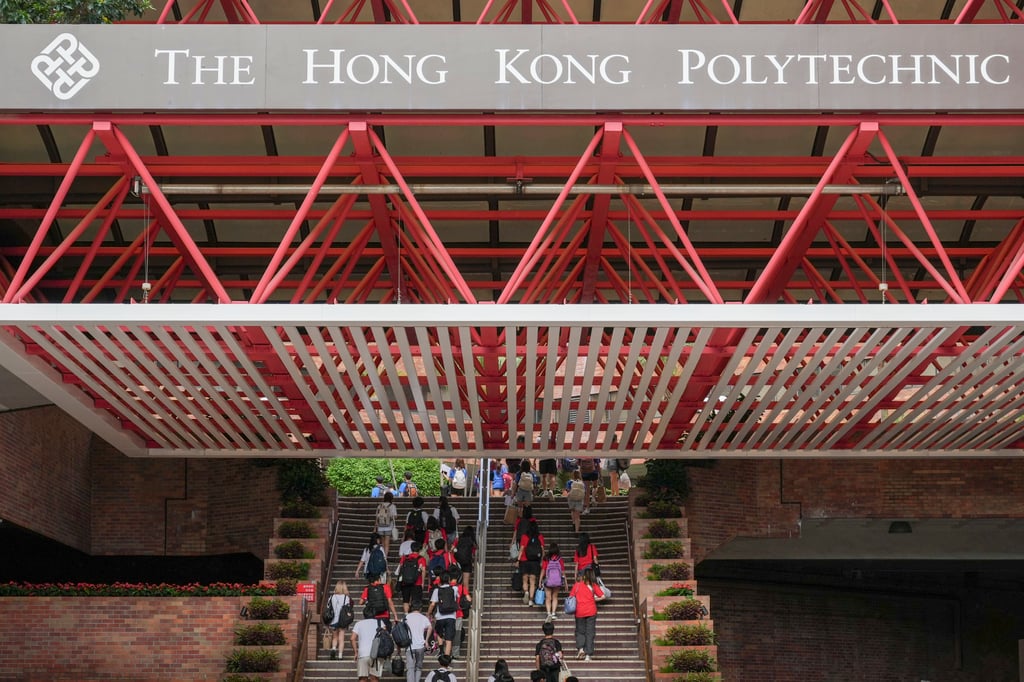
Polytechnic University, the first publicly funded institution in the city to offer an allied health programme, recorded a 57 per cent drop in the number of students picking the programme among their first three choices, from 581 in 2025 to 246 this year, according to the Joint University Programmes Admissions System (Jupas).
Jupas is a platform through which students sitting the Hong Kong Diploma of Secondary Education (DSE) apply for government-subsidised bachelor’s degree programmes.
Admission score data also shows that the programme’s average DSE score, with subject weighting applied, fell from 329.3 last year to 303.6 in 2026, the largest decline among PolyU’s undergraduate courses.
PolyU’s department of rehabilitation sciences said it had no comment.
The figures come as education authorities reduce the number of subsidised places for physiotherapy at three self-financing institutions by about a third for the 2027-28 academic year.
The three programmes will see a sharp reduction in places, with total intake falling 31 per cent from 175 in 2026-27 to 120 in 2027-28.
At Tung Wah College (TWC), the number of applicants placing its programme among their top three choices fell from 369 in 2024 to 281 in 2025 and down further to 224 in 2026, marking a 40 per cent drop in two years.
Its mean admission score fell 10 per cent from 22.2 in 2025 to 20 in 2026.
TWC has been approached for comment.
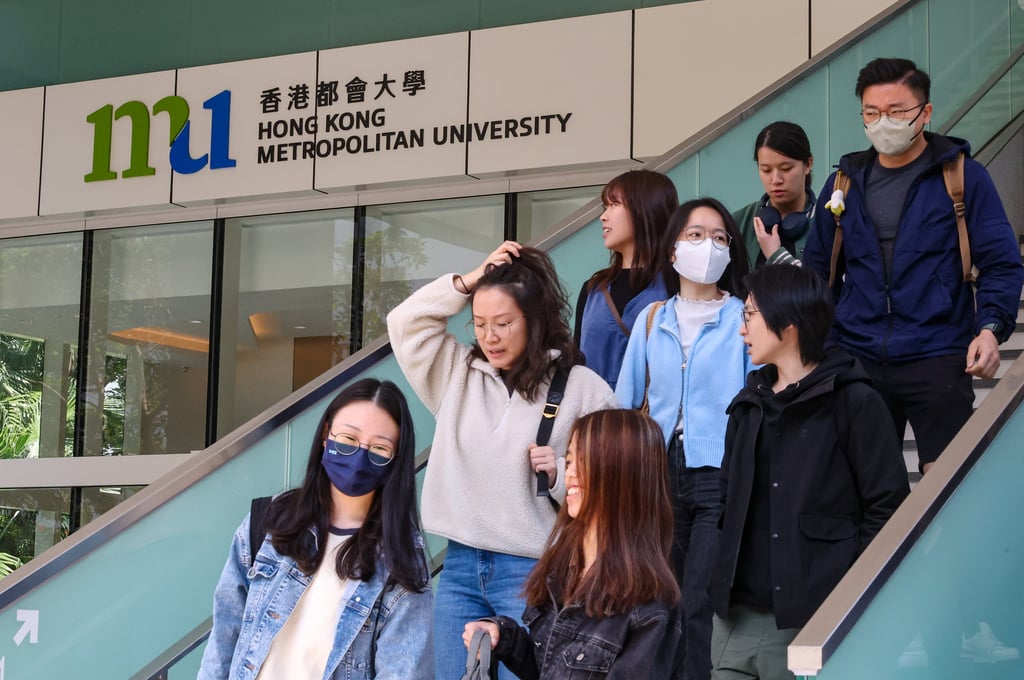
The median admission score for the physiotherapy programme at Hong Kong Metropolitan University (HKMU) also fell from 25 in 2024 to 22 last year and 20 in 2026 – a 20 per cent drop in two years.
A spokesman for HKMU said the university’s physiotherapy programme had been accredited by the Allied Health Professions Council and graduates were eligible for registration as qualified physiotherapists in Hong Kong.
At Saint Francis University (SFU), the number of students who ranked the programme among their top three choices fell by 37 per cent, from 508 in 2025 to 319 in 2026.
An SFU spokeswoman said the university would review its student intake in line with society’s demand for these professionals. She stressed, however, that demand for healthcare professionals would continue to rise as the city’s population aged rapidly.
Admission scores refer to the total marks students obtained in the DSE, which uses a seven-level grading scale. The highest grade, level 5**, equals seven points, while level two is equal to two points.
Alexander Woo Chuen-hau, president of the Hong Kong Physiotherapy Association, noted that all the programmes had filled their places.
Woo said entry scores did not necessarily determine graduates’ future performance and demand for physiotherapists remained high because of the rapidly ageing population.
Woo called on the authorities to increase healthcare funding, noting that government coffers were expected to record a surplus next year.
He also encouraged prospective students to consider their interest in the profession.
“If you like it, go for it and study hard,” Woo said. “The road ahead may not be completely smooth. Graduates might not secure their dream position immediately, but employment opportunities are still out there.”
KioskNews shows a cleaned-up reading view extracted from the publisher’s page — the original always lives on their site, not ours.