EPFO approves periodic PF payouts for retirees, eases withdrawal norms
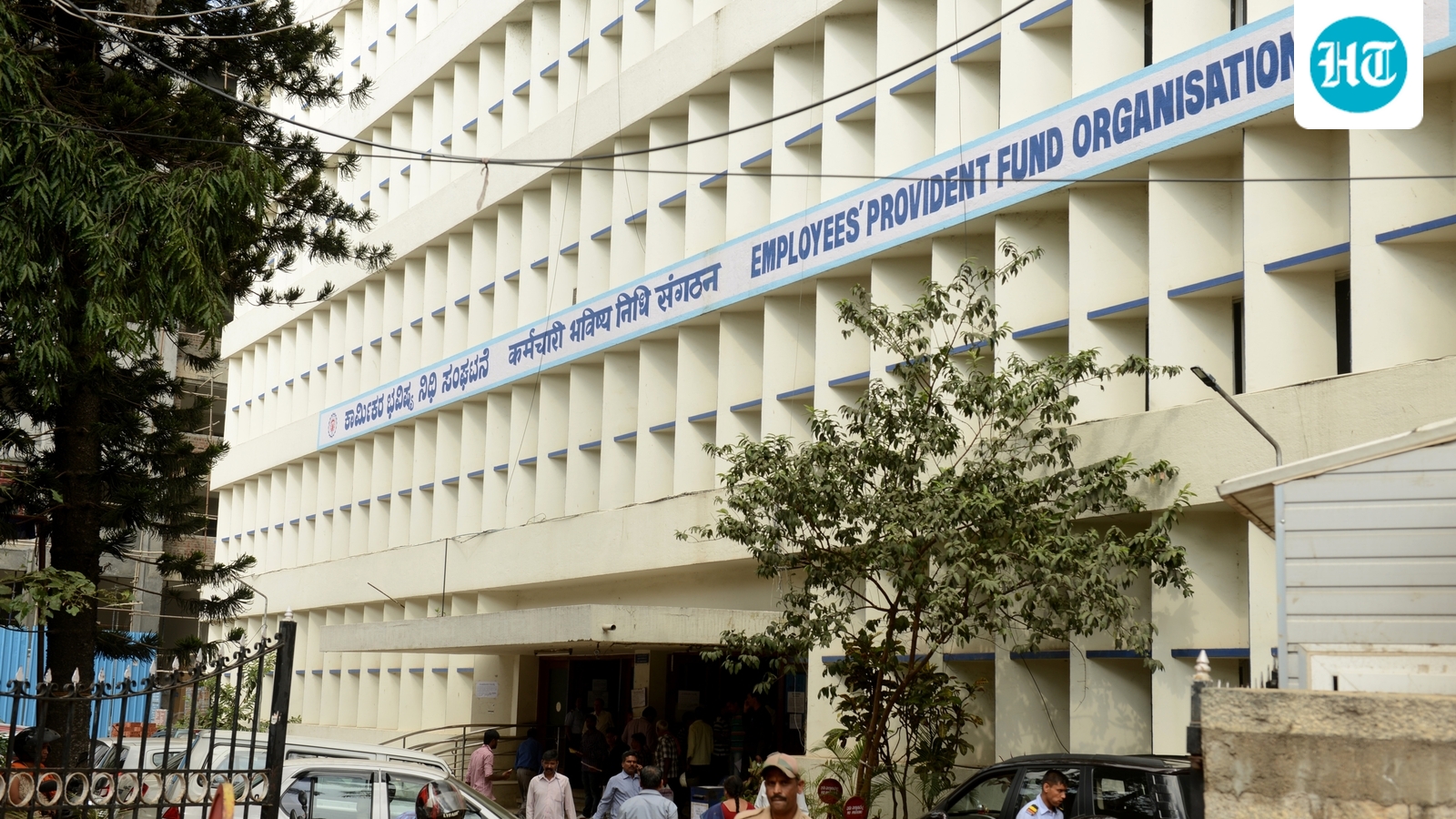
The Employees’ Provident Fund Organisation (EPFO) on Thursday approved a facility allowing retiring subscribers to withdraw their provident fund savings in monthly, quarterly or half-yearly instalments, relaxed conditions for final withdrawals and gave in-principle approval for investments in alternative investment funds (AIFs), including startups.
The decisions were taken at the 240th meeting of the Central Board of Trustees (CBT), chaired by Labour Minister Mansukh Mandaviya in New Delhi.
New withdrawal plan allows retirees to draw PF savings periodically
The board approved a systematic withdrawal plan (SWP) under which members can draw their accumulated PF savings periodically instead of withdrawing the entire corpus at retirement. The remaining amount will continue to earn returns, giving members with an additional source of income after retirement, an official explained after the meeting got over.
Around 632,000 EPF members aged above 55 years with provident fund savings exceeding ₹5 lakh are pegged to be the primary beneficiaries in the initial phase, a press release said.
The facility will be voluntary and may also be extended to eligible family members and beneficiaries, it added. In case of a member’s death during the payout period, the nominee or dependent can withdraw the remaining balance or continue receiving instalments. The board also reduced the minimum balance that members must retain in their PF accounts from 25% to 10% of their contributions.
Also read: EPFO wage ceiling hike: How much less take-home pay can you expect
Final withdrawal waiting period reduced to two months
The waiting period for final withdrawal after leaving employment has been cut from 12 months to two months. The changes, as per the official quoted above, are intended to give subscribers greater access to their savings while retaining a portion of the corpus for long-term social security.
The board also gave in-principle approval for EPFO to invest up to 3% of its fresh accretions in eligible AIFs, initially through government-backed entities and within its existing overall investment ceiling.
The board also approved amendments to the Employees’ Deposit Linked Insurance (EDLI) Scheme, 2026, providing a six-month window to eligible establishments to renew expired exemptions.
The February meeting, as per SP Tiwari, Member, CBT-EPFO, Govt of India and National General Secretary TUCC, is likely to take up EPFO 3.0.
KioskNews shows a cleaned-up reading view extracted from the publisher’s page — the original always lives on their site, not ours.