Peak lighting outcry spotlights the trouble with fast-track governance
It’s common knowledge that Hong Kong has a spectacular skyline, especially at night. And given our current obsession with boosting tourism and other value-adding objectives, it shouldn’t come as a surprise that our tourism authorities are actively adding more light to our night skyline.
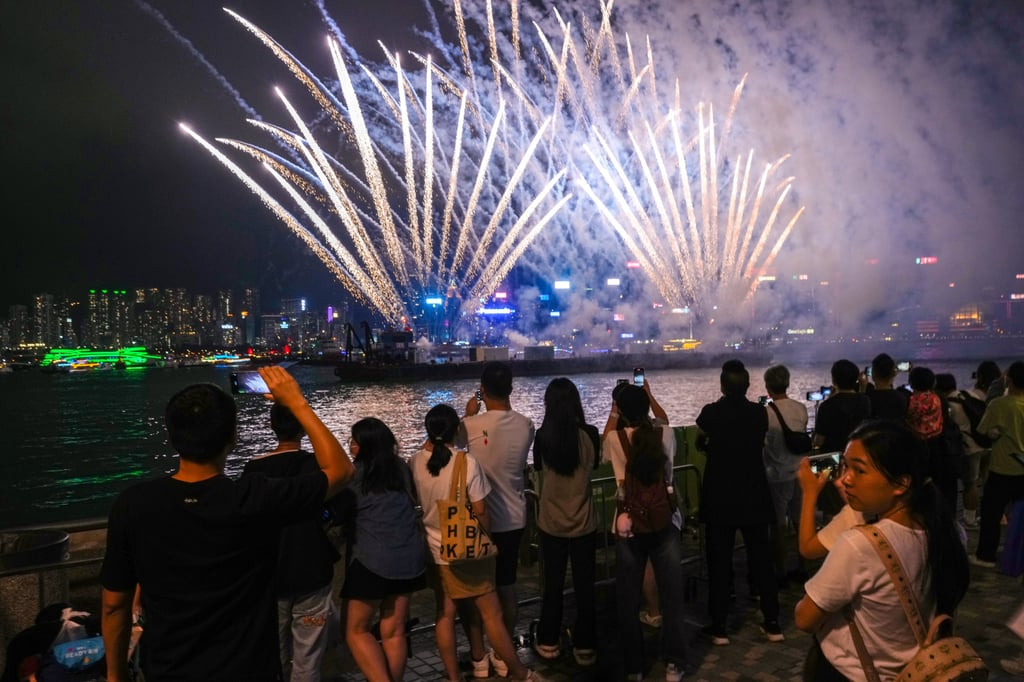
The Tourism Board tried holding monthly firework and drone shows in 2024, but had to scale back after a budget cut – and amid questions of whether more frequent displays, costing the public HK$1 million (US$127,537) a pop, were really making a bigger impression on visitors. They weren’t. Regular firework shows diminished the novelty factor of the experience and heightened the likelihood of disappointment; effectively, public money was being thrown at unimpressed visitors. And this is not to mention the environmental costs associated with all that smoke and fire.
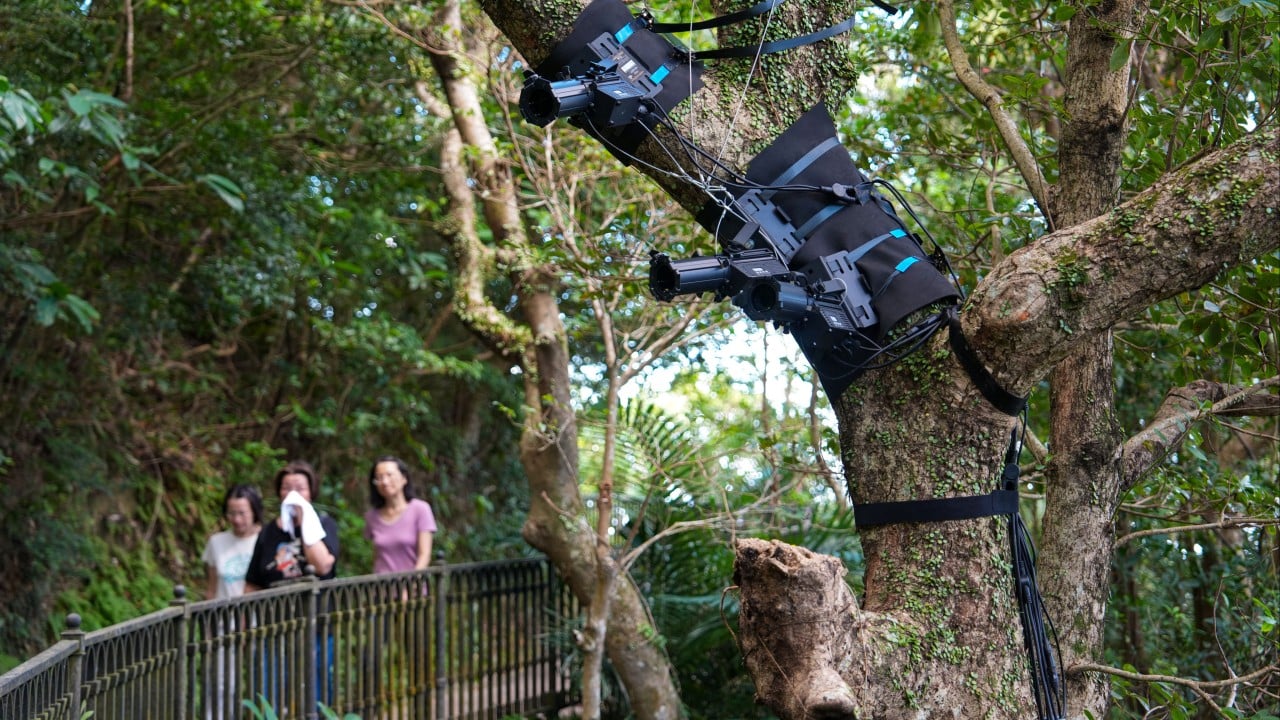
Yet, the tourism authorities seem not to have learned, or remembered, the lesson that less is more. This year, they tried to roll out a lighting project along a walking trail on The Peak, and have succeeded in causing quite the outrage. Going by the images shared online, it is not difficult to see why the lighting installations along the narrow Lugard Road and Harlech Road trail encircling The Peak have drawn such a negative response from residents.
The Peak is one of Hong Kong’s treasures – providing us with access to nature, fantastic views of our city, and a window on our history. It’s an easy hike for residents of all ages. It is beloved by tourists and part of an experience that includes rides up and down on the Peak Tram. Planting metal structures along a nature trail and cutting down trees and flowers to make room for electric lighting installations do not add value to The Peak. Sure, some of us enjoy taking in the city lights at night from The Peak, but we don’t necessarily need to see more lights along the walk.
Promoting tourism and the night economy shouldn’t be contentious. It only becomes so when the government fails to see the value residents see, as with the controversy triggered by the trail lighting project.
Residents, and I would argue confidently, tourists too, are attracted to a dose of nature in the middle of our concrete jungle. Would light fixtures add to the appeal? Maybe, but at what cost? A novelty that disturbs the tranquillity offered by natural scenery would, well, naturally be met with frustration.
But this is more than a miscalculation of the public response or a value mismatch when it comes to how the government and the public perceive environmental impact. The public outcry over the lighting project should raise a red flag for the current administration where it concerns consulting stakeholders in policymaking.
In its defence, the Tourism Board said it had communicated with “residents near Lugard Road and Harlech Road” and “relevant District Council members”, and sought advice from various government departments and tree experts. But that clearly wasn’t enough, seeing as the board has now pressed pause on the project.
The Peak doesn’t just belong to the handful of surrounding households, so the scope of the communication was problematic.
Consulting the local district council should have done the job, in theory. But a lawmaker has said a local district councillor had not, in fact, been involved in the initial consultation. This should set multiple alarm bells ringing because it raises the question of whether the government’s district governance is impactful. Such questions go much deeper than a single lighting project.
The embarrassing bus seat belt law … was passed using this exact same method
Secretary for Culture, Sports and Tourism Rosanna Law Shuk-pui was quick to respond, and that’s good news. She said the Tourism Board and the Tourism Commission were gathering public feedback and would visit the relevant sites with district councillors.
At least the government acknowledged having insufficiently communicated with stakeholders, though not exactly in those words. “We are still listening to opinions and may make modifications” is enough of an admission of error.
We have seen the government operating like this elsewhere, by using negative vetting to push through legislation before the Legislative Council can debate it. The latest instance is how it is moving to restrict media access to land records through negative vetting, after limiting access to the vehicle and the company registries. This has been met with pushback, even as the government maintains that it is committed to transparency.
KioskNews shows a cleaned-up reading view extracted from the publisher’s page — the original always lives on their site, not ours.