6 arrested over HK$14m agarwood and crypto investment scam that ran for 9 years
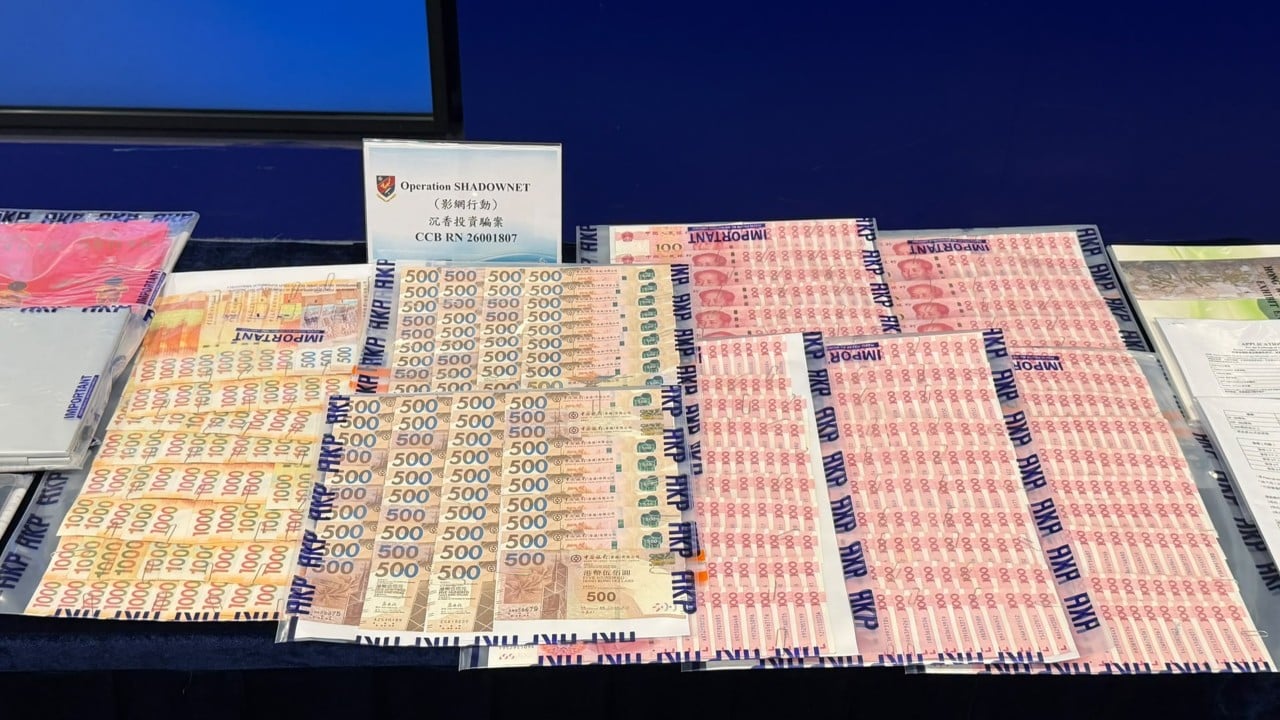
Hong Kong police have arrested six people allegedly tied to a nine-year scam run by a suspected cross-border criminal syndicate offering business opportunities in agarwood and cryptocurrency, with funds involved reaching HK$14 million (US$1.78 million).
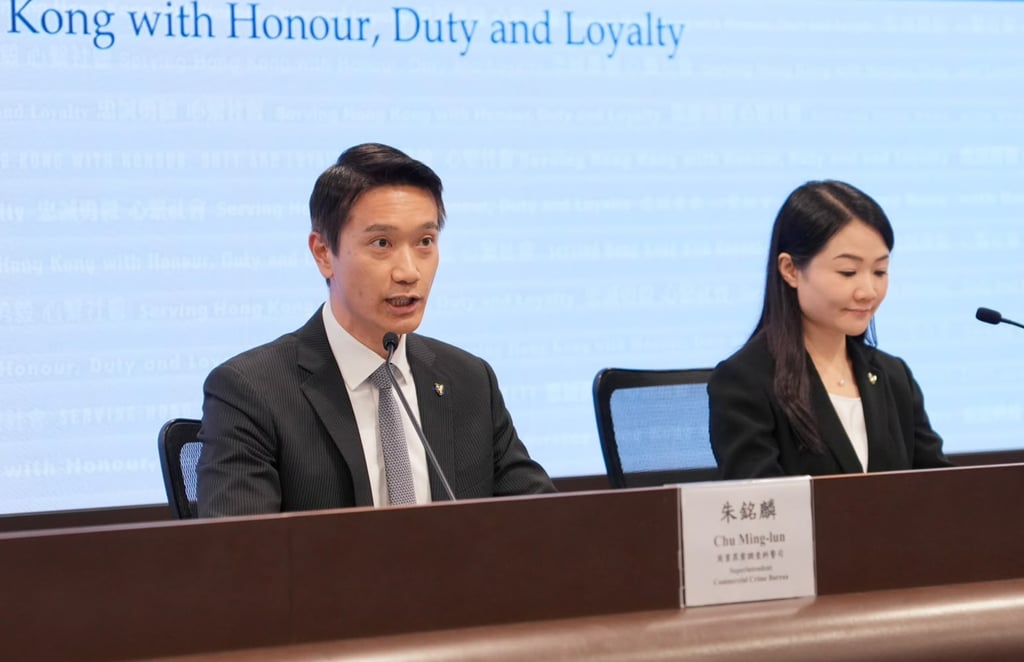
Superintendent Allan Chu Ming-lun of the commercial crime bureau said on Thursday that investigations began in September after the force received 21 reports from victims, mostly elderly people, saying they had been investing in various products offered by BBB Group (Hong Kong) as early as 2017.
“The firm involved would use various excuses to delay investors’ cash withdrawals, in a bid to evade their responsibility of paying them back,” Chu said.
Most of the victims were aged between 52 and 82. Individual investment amounts ranged from HK$30,000 to HK$1.9 million, with the total from the 21 victims reaching HK$14 million.
Chu said the victims had invested with BBB Group, which claimed to operate offices around the world, including in Malaysia, Singapore and New York.
The company was placed on the Securities and Futures Commission’s alert list on Wednesday. Other firms deemed linked to the agarwood investment plan, namely BBB Group (Malaysia) and BBB Oud Living (HK), were also listed.
Police arrested two men and four women aged between 52 and 66 on Wednesday. Among the six, one was a Malaysian passport holder who was identified as the mastermind of the scheme. The remaining five suspects are Hong Kong residents.
Officers searched the firm’s premises in Kwun Tong, seizing about HK$540,000 in cash, 25 laptops and mobile phones, investment contracts and various types of suspected agarwood goods.
BBB Group had claimed to run multiple large agarwood plantations in Malaysia and worked with other companies in the country to produce and sell products made from the fragrant wood, such as essential oils and tea leaves.
“Core syndicate members brought investors on field trips to the agarwood plantations to boost their confidence,” Chu said.
The company branched out to offer at least four types of “investment” plans to victims between 2017 and this year, the superintendent said. The firm also allegedly organised investment talks, trips to mainland China and galas for investors and their friends.
The first investment plan was rolled out in 2020, with the firm telling investors they could make HK$300 per month by making a HK$10,000 purchase of an agarwood tree, which would amount to an annual return of 36 per cent over three years.
Investors were told they could get back the principal investment in full as well, according to police.
“The monthly returns were recorded in the form of membership points in a mobile app provided by the company involved,” Chu said.
But investors would have to complete fund withdrawals at the firm’s office, the superintendent added.
However, starting in 2024, some investors realised they could not retrieve their principal investment or returns, the force explained.
BBB Group staff allegedly then introduced other investment plans while delaying withdrawal requests, inviting the victims to switch to new schemes.
One plan, introduced last year, offered the chance for investors to become “licensees” of BBB Group.
They would have the right to promote the firm’s products and were guaranteed to receive HK$210 in interest that would amount to an annual return of 25 per cent over a three-year period, with the principal retrievable at the end, according to police.
“Interest disbursement for the IP scheme only continued for two months, before the company used different excuses to delay cash outs and interest disbursements,” Chu said.
The same tactic was used again this year, when the company rolled out a cryptocurrency called iBBB, which it claimed tokenised agarwood trees.
“The value of iBBB has been plummeting since its roll-out, and has dropped by 99.92 per cent till now,” Chu said.
The superintendent said the firm recently introduced another plan, investing in automated car-washing stations on the mainland.
To lure in existing investors, the firm allegedly offered a bonus of 10 to 30 per cent of the new investment amount.
KioskNews shows a cleaned-up reading view extracted from the publisher’s page — the original always lives on their site, not ours.