Kerala’s ‘suicide tree’ linked to hundreds of deaths and forensic mystery
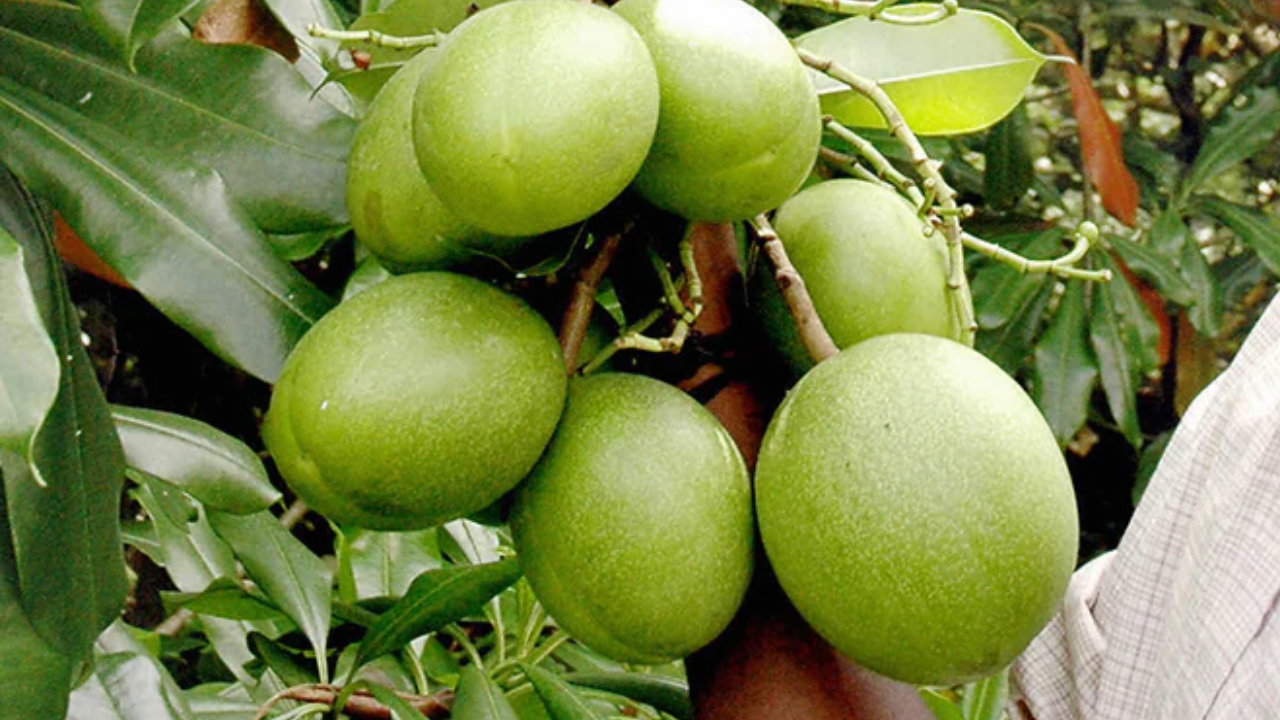
Inside that fruit lies a toxin capable of disrupting the human heart. (Photo: The Washington Post)
It looks like an ordinary tree growing beside Kerala’s backwaters, its glossy green leaves swaying in the breeze and its white flowers adding to the landscape. Its green, mango-like fruit does little to suggest danger.
Yet inside that fruit lies a toxin capable of disrupting the human heart - and, for years, poisoning linked to the tree presented investigators with another troubling challenge: detecting what had caused the death.Known locally as othalanga, the tree is scientifically identified as Cerbera odollam. It has earned the grim nickname “suicide tree” because of its association with fatal poisonings in Kerala. But its most unsettling feature is not simply its toxicity.
It is the difficulty that doctors and forensic investigators historically faced in identifying the poison responsible.
The toxin hidden inside an ordinary-looking fruit
According to a 2004 study published in the Journal of Ethnopharmacology, the othalanga tree belongs to the Apocynaceae family, which includes several poisonous plants. The research paper by Yvan Gaillard, Ananthasankaran Krishnamoorthy and Fabien Bevalot notes that its seeds contain cerberin, a toxic cardiac glycoside that interferes with the heart's normal electrical activity.
The consequences can be fatal. Cerberin affects the mechanisms that regulate the movement of electrolytes across cell membranes, potentially causing dangerous disturbances in heart rhythm and cardiac arrest.A September 2015 report published in The Caravan described that the fruit is also called the “sea mango”, and that it looks deceptively familiar. But the plant’s appearance offers little indication of the danger associated with its seeds.The tree is not confined to remote forests. It grows in coastal environments in Kerala, including areas close to settlements and waterways. Its familiarity in the local landscape is part of what makes its toxic properties significant.
The scientific study that raised an alarm
The retrospective 2004 study examined poisoning fatalities attributed to the tree and drew attention to the challenges it posed for medical and forensic professionals. According to the researchers, 537 deaths in Kerala between 1989 and 1999 were attributed to othalanga poisoning.
The study also estimated that the tree accounted for a substantial proportion of plant-related poisoning cases recorded in the state during the period examined.These are historical figures, not current annual statistics. Nevertheless, they illustrate the scale of the problem documented by the researchers.The paper warned that the plant had received insufficient attention from physicians, analytical chemists and forensic toxicologists.
Its authors also raised concerns about possible homicides, noting that some suspected cases could not be conclusively established.That distinction matters. The research documented deaths attributed to the plant, while suspicions about additional cases of deliberate poisoning were not equivalent to confirmed findings.
When the poison becomes a forensic puzzle
The tree's reputation took on another dimension because identifying the toxin was not straightforward.A May 2015 report by The Washington Post highlighted the difficulties associated with poisoning from Cerbera odollam. As per the report, cerberin could escape detection in the standard post-mortem investigations described at the time. The 2004 researchers had similarly warned that inadequate analytical recognition of the toxin could complicate investigations.The toxin does not literally erase evidence. Rather, a death may initially appear to have resulted from another cause if investigators do not suspect plant poisoning or use suitable analytical methods.Cardiac glycoside poisoning can produce symptoms that overlap with other medical emergencies. Establishing the cause of death therefore requires the clinical history, circumstances of the case, post-mortem findings and appropriate toxicological analysis to be considered together.The distinction is important today, too. A later review of Cerbera odollam toxicity published in the medical literature described the diagnostic difficulties associated with the plant and noted that cerberin poisoning is not identified by routine digoxin assays.
Digoxin is another cardiac glycoside, but a test designed to detect it cannot automatically be relied upon to identify cerberin.The lesson is not that the toxin can never be detected. It is that the right suspicion and appropriate laboratory methods matter.In May 2015, four teenage athletes were hospitalized after a poisoning incident at a Sports Authority of India training centre in Alappuzha. One of the girls died, as per The Caravan report.
The tree is also part of Kerala’s ecosystem
For all its notoriety, othalanga is not simply a dangerous plant waiting to be removed. The species remains part of Kerala's coastal landscape.This creates an uncomfortable contrast. The same species associated with fatal poisoning also performs functions within its natural environment. Its toxic properties do not, by themselves, make the entire tree ecologically worthless.The challenge is to understand the plant, recognise the risks associated with it and ensure that suspected poisoning can be identified accurately.The othalanga tree continues to grow beside Kerala’s waterways, its fruit blending into the landscape. Its reputation is a reminder that appearances can be misleading - and that recognising the cause of a death sometimes begins with knowing which questions to ask.
KioskNews shows a cleaned-up reading view extracted from the publisher’s page — the original always lives on their site, not ours.