Pablo Torre says NCAA has no transgender athletes, conveniently leaves out the reason why

South Carolina Sen. Darline Graham speaks at a Capitol Hill news conference, warning about the physical dangers and unfairness of allowing biological males to compete in women's sports. Graham highlights the safety risks for female athletes, citing a severe injury in North Carolina.
Pablo Torre and Rachel Maddow would like you to believe the controversy surrounding biological males competing in women's sports is a manufactured political issue.
Never mind the female athletes who have lost championships, podium finishes and opportunities to biological males. We're supposed to forget all of that ever happened.
CLICK HERE FOR MORE OUTKICK SPORTS COVERAGE
During an appearance on "Pablo Torre Finds Out," Maddow accused Republicans of inventing a problem that has "literally no contact with the real lives of 99.9999% of Americans."

Pablo Torre and Kevin Clark attend GQ Sports and ESPN's NBA Finals celebration at Artspace at Public Hotel in New York City on June 6, 2024. (Eugene Gologursky/Getty Images for GQ)
Torre, meanwhile, offered what he apparently considered a compelling piece of evidence.
"We called the NCAA and we said, 'Hey, how many trans athletes are competing in women's sports, or at all?' And the NCAA told us there are effectively zero. They can't find them."
Great point, Pablo. Except you forgot to mention there's a reason for that.
Biological males are no longer permitted to compete in NCAA women's sports
On Feb. 5, 2025, President Donald Trump signed an executive order titled "Keeping Men Out of Women's Sports," directing federal agencies to enforce sex-based athletic protections under Title IX.
The very next day, the NCAA announced an immediate change to its transgender-athlete participation policy, restricting women's competition to "student-athletes assigned female at birth."
The NCAA didn't even pretend the timing was a coincidence.
"President Trump's order provides a clear, national standard," NCAA President Charlie Baker said in the Feb. 6 announcement.
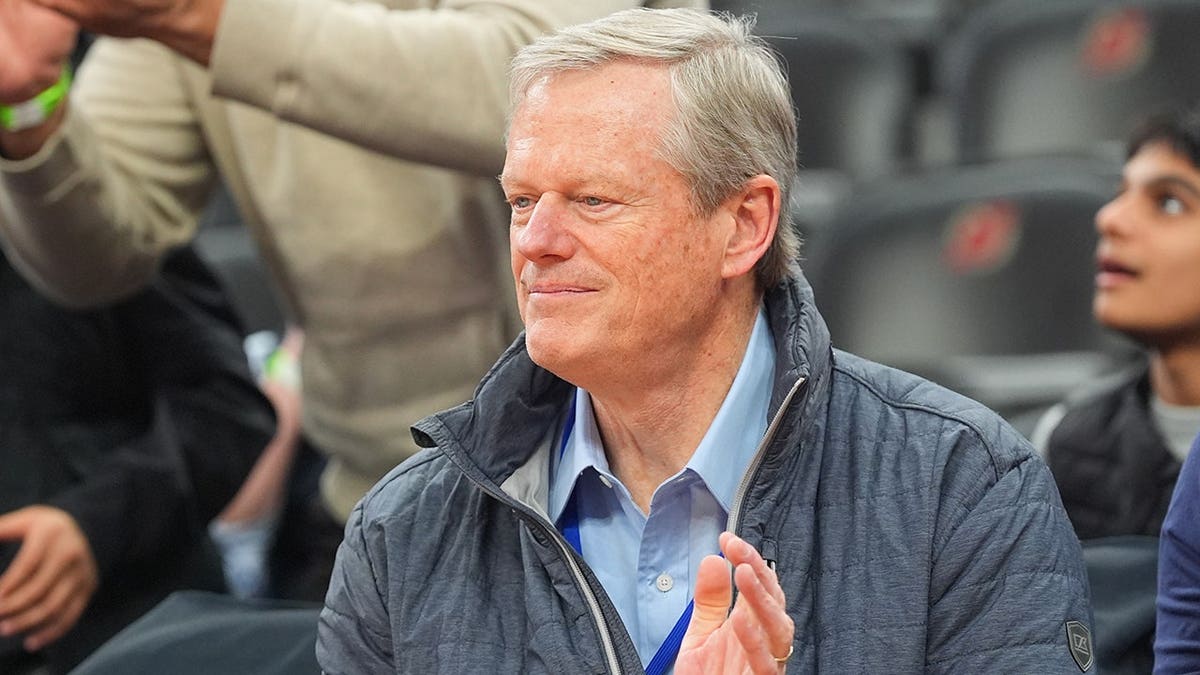
NCAA President Charlie Baker attends the game between the Seton Hall Pirates and Providence Friars on February 11, 2026 at Prudential Center in Newark, New Jersey. (Rich Graessle / Icon Sportswire via Getty Images)
In other words, the rule was changed to address the very issue Torre and Maddow now suggest was never a real problem in the first place.
And before that policy change, we have plenty of examples.
Of course, there’s Lia Thomas — the University of Pennsylvania swimmer who previously competed on the men's team went on to win the 2022 NCAA Division I women's 500-yard freestyle national championship, beating Olympic silver medalist Emma Weyant.
TRANSGENDER ATHLETES HAVE TAKEN 2,293 CHAMPIONSHIP SPOTS FROM BIOLOGICAL WOMEN, NEW RESEARCH FINDS
Or CeCe Telfer, who previously competed in men's track at Franklin Pierce University before winning the 2019 NCAA Division II women's 400-meter hurdles national championship.
Then there's Sadie Schreiner, who won the 2024 Liberty League women's 200- and 400-meter outdoor titles while competing for Rochester Institute of Technology, setting a conference record in the latter event.
And OutKick has reported extensively on Blaire Fleming, the San Jose State volleyball player whose participation became the center of a national controversy in 2024. Fleming earned All-Mountain West honorable mention honors that season, while multiple opposing teams forfeited matches rather than compete against the Spartans.
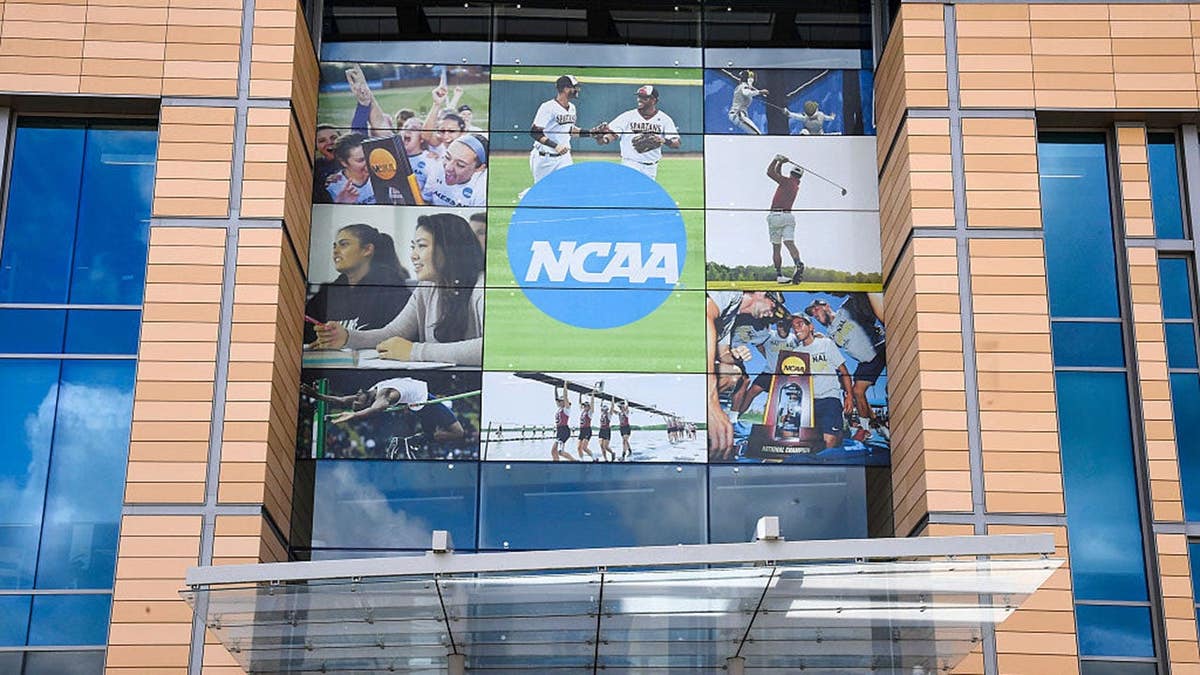
A general view of the NCAA logo on the building exterior of the National Collegiate Athletic Association National Office on June 19, 2025, in Indianapolis, Ind. (Icon Sportswire via Getty Images)
Those are just a handful of the documented examples. And they all happened before the NCAA changed its rules.
You can debate whether those previous policies were fair or unfair if you want to. But pretending the controversy sprang from absolutely nothing requires ignoring years of actual, recorded events.
And using today's participation numbers without acknowledging that the eligibility rules have changed? That's a pretty convenient omission.
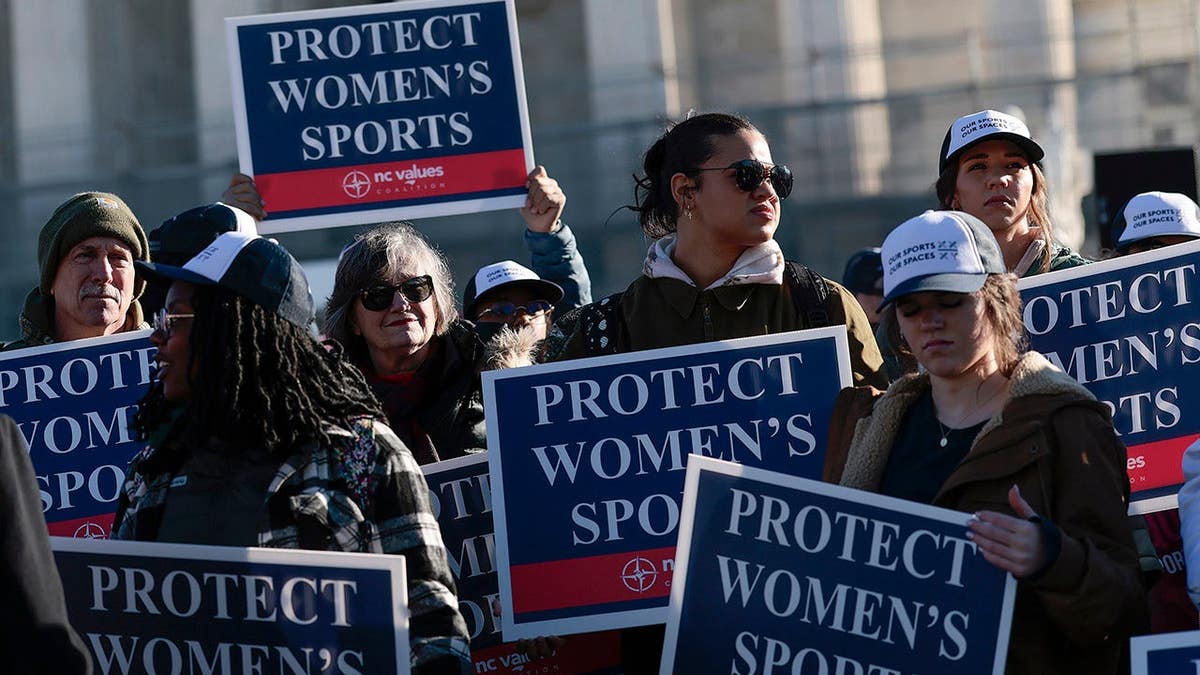
Protesters against transgender athletes competing in women's sports gathered outside the Supreme Court in Washington, D.C., on Jan. 13, 2026, as two cases about transgender girls joining girls' and women's sports teams were heard inside the court. (Heather Diehl/Getty Images)
Torre wanted to deliver a "gotcha" by calling the NCAA and reporting that it couldn't identify transgender athletes currently competing.
But if you're going to use the apparent absence of something as proof that it was never a problem, you should probably mention the rule that now prohibits it.
OUTKICK IS NOW AVAILABLE ON THE FOX NEWS APP: CLICK HERE TO DOWNLOAD
OutKick reached out to Torre for comment but did not receive a response.
KioskNews shows a cleaned-up reading view extracted from the publisher’s page — the original always lives on their site, not ours.