Corporate cop investigating collapse of major Sydney builder
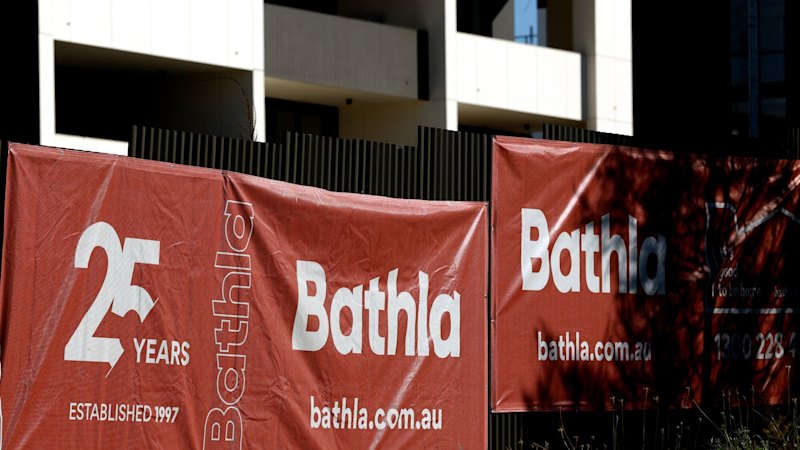
Little-known lending companies risk exposing ordinary Australian investors to another collapse such as the one suffered by property developer Bathla, the corporate regulator has warned as it confirms it has launched an investigation into the builder’s collapse.
The Australian Securities and Investments Commission found some financial advisers were tipping up to 87 per cent of a clients’ funds into private credit despite some operators failing to pass on their earnings to investors, transferring large sums to related parties and downplaying the risks.
The scathing report, which examined 24 funds and is being released on Tuesday, highlights how the $250 billion sector has kept failing basic standards despite coming under intense scrutiny over its role in lending money to the western Sydney property developer Bathla before it collapsed in August owing more than $3 billion.
Private credit differs from traditional bank lending because it takes in money from investors and then lends it out to businesses that other institutions at steeper rates to reflect the risk that the fund is taking on.
The sector has exploded in popularity in recent years as investors chase returns, but because few of the businesses involved are publicly listed, it has remained opaque and low-profile, except for some major collapses such as Bathla’s.
ASIC commissioner Simone Constant said the Bathla collapse, in which the company’s labyrinthine corporate group had taken money from 42 different lenders that many were unlikely to get back, showed the risks for the sector.
“Unfortunately, it’s a case study, a sad case study in real time of how the risk is only growing in this sector,” Constant said. The only solution, she said, was “changing and lifting the standards comprehensively”.
“I can confirm we have commenced a formal investigation in relation to the conduct of the affairs of the Bathla Group,” she said.
On Monday, ASIC ordered Adelaide-based private credit company Angas Securities to stop accepting new money into two of its funds because of concerns the firm had not adequately disclosed their financial position to investors, including via “exposure to the collapsed Bathla Group”.
In a statement, Angas confirmed the orders and said they would be in place for 21 days, unless revoked sooner. It urged investors to contact the firm with questions, but noted that they should not assume “withdrawal requests are guaranteed”.
The commission’s report on the industry documented far broader concerns. One fund, which ASIC did not name, kept four times the management fees it disclosed to investors by channelling fees it charged to borrowers via a related company.
Another unnamed fund transferred almost 20 per cent of its assets to a related vehicle. There could be legitimate reasons for such a transfer, such as ensuring that investors’ cash is channelled into good opportunities.
The commission noted, though, that it could also raise governance issues because the same fund manager is on both sides of the transaction and the moves could benefit some investors at others’ expense.
ASIC also looked at how financial advisers pushed 46 retail clients towards private credit. They suggested putting in an average of $100,000, representing about 12 per cent of those clients’ funds. But some financial advisers suggested putting 87 per cent of one client’s investments into a single fund, creating major risks if anything were to go awry.
”ASIC identified two arrangements where it appeared some financial advice licensees and associates may have received payments from a private credit fund manager,” the report reads.
Constant said that private credit was important for the economy, but that it was crucial that operators adopted 10 standards set out by the commission to operate better.
Two industry groups, the Alternative Investment Management Association and the Alternative Credit Council, issued guidance to their members on Tuesday in an attempt to address the commission’s concerns.
“Drawing on more than a year’s work by fund managers, institutional investors and other experts, these recommendations bring together experience from Australia and around the world,” said Michael Gallagher, the association’s managing director.
“They offer practical ways for managers to maintain high standards while recognising that different lending strategies and fund structures call for different approaches.”
The Business Briefing newsletter delivers major stories, exclusive coverage and expert opinion. Sign up to get it every weekday morning.
KioskNews shows a cleaned-up reading view extracted from the publisher’s page — the original always lives on their site, not ours.