10 Best Johnny Depp Movies Of The 1990s, Ranked

Johnny Depp spent the 1990s doing something rather unusual for an actor with his face: trying very hard not to become a conventional movie star.
After 21 Jump Street made him a teenage heartthrob, Depp could have spent the next decade playing handsome leading men. Instead, he chose a boy with scissors for hands, a hopelessly optimistic director of terrible movies, and an undercover FBI agent who grows dangerously attached to a mobster. Not exactly the standard Hollywood career plan.
This was Depp before Captain Jack Sparrow took over his public image. The Pirates of the Caribbean franchise became so dominant that even a discussion of great pirate movies outside it has to acknowledge its shadow. Yet anyone who grew up watching movies in the '90s remembers the excitement of never knowing what Depp might do next.
His latest release, Ebenezer, has returned him to the top of the box office, making this a good time to revisit his pre-blockbuster years. The '90s were hardly short on competition, especially with thrillers that remain essential viewing. Depp still moved from intimate drama to absurd comedy without making either feel like a detour.
Depp's best individual performances are one conversation; this ranking considers the films as a whole. Direction, originality, the supporting cast, and lasting appeal all count. An obscure movie can outrank a hit if it's better made. By those measures, Depp's most fascinating decade may have ended before he ever set foot on a pirate ship.
10 Cry-Baby (1990)

John Waters knew what to do with a television heartthrob: give him a single tear and make the whole thing ridiculous. Depp plays Wade "Cry-Baby" Walker, a leather-jacketed delinquent who falls for Allison (Amy Locane), a girl from the respectable side of the tracks. The film parodies wholesome 1950s teen musicals with an impressively straight face.
Its greatest joke is casting Depp as an irresistible rebel while making his supposed dangerousness seem quaint. The songs and tacky production design helped Cry-Baby earn a place among beloved cult-classic movies. Waters' affection for excess produces more memorable moments than a satisfying whole, but what a way for the 21 Jump Street pinup to announce a sharp left turn.
9 Benny & Joon (1993)

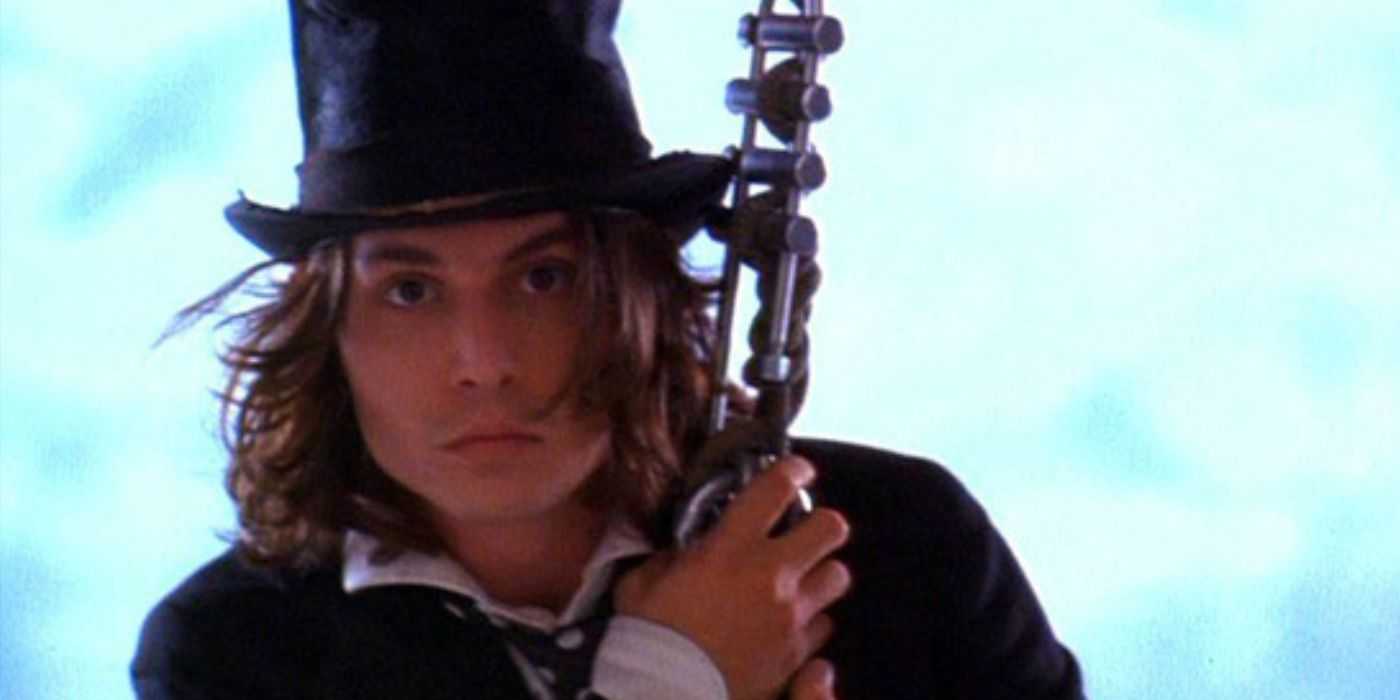
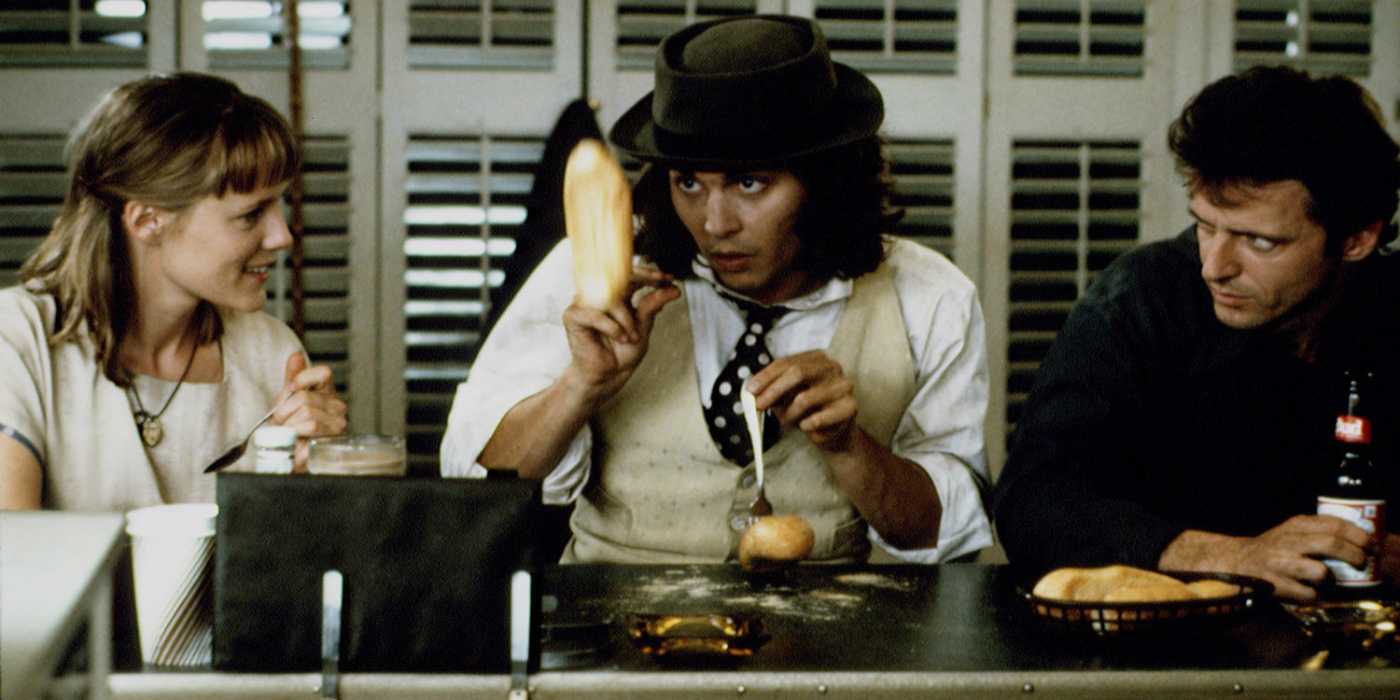
Depp makes a grilled cheese sandwich with an iron, and somehow that's among the least surprising things his character does. He plays Sam, an eccentric young man who falls for Joon (Mary Stuart Masterson), whose brother Benny (Aidan Quinn) has spent years protecting her. Sam's elaborate physical comedy borrows lovingly from silent-film performers such as Buster Keaton.
The romance has genuine sweetness, especially when Depp's shyness shows through the theatrical gestures. Masterson prevents Joon from disappearing behind his antics, although the film sometimes treats her mental illness with more whimsy than understanding. That unevenness holds Benny & Joon back, but its best scenes explain why viewers have held onto it for decades.
8 Don Juan DeMarco (1995)

Johnny Depp spent much of the 1990s dodging his heartthrob image, then made a movie that turns it into the entire premise. In Don Juan DeMarco, he plays a young man convinced he's the world's greatest lover. Marlon Brando is the psychiatrist assigned to treat him, only to discover that his patient's outrageous romantic confidence is rather contagious.
Depp sells the fantasy without winking, while Brando's amused, weary presence gives the story some ballast. Faye Dunaway plays the psychiatrist's wife, whose marriage gradually benefits from his patient's influence. The movie's sugary sentiment and predictable turns keep it below Depp's more inventive work, but its old-fashioned charm gives him room to be wonderfully seductive without abandoning his eccentricity.
7 Sleepy Hollow (1999)

By 1999, Tim Burton and Depp had developed an understanding: Burton could invent the most elaborate gothic world imaginable, and Depp would look mildly inconvenienced by it. His Ichabod Crane is a nervous constable investigating murders involving a Headless Horseman. Instead of a fearless hero, Depp gives us a man who's squeamish, awkward, and occasionally hilarious.
The film is visually sumptuous, and its production design won an Academy Award. It belongs beside the most memorable '90s horror movies, although Burton's atmosphere outshines the tangled mystery. The combination of gruesome spectacle and comic restraint is irresistible, even when the plot struggles to keep up.
6 Dead Man (1995)

In Jim Jarmusch's Dead Man, Depp plays an accountant named William Blake who travels west for a job and finds himself wandering into an entirely different kind of existence. After a violent encounter, he becomes a fugitive, accompanied by a Native American man named Nobody (Gary Farmer). The black-and-white photography makes the landscape feel at once enormous and strangely airless.
This is one of Depp's quietest performances. As Blake grows weaker and the people hunting him become more grotesque, the actor gradually sheds the ordinary man's certainty until he seems to be drifting between life and death. Neil Young's spare electric-guitar score gives the journey a haunting pulse that no conventional Western soundtrack could provide.
There is little comfort in Dead Man, which would fit naturally into a conversation about the bleakest movies ever made. Its deliberate pace will frustrate viewers expecting a shootout every few minutes, but the film's originality and willingness to challenge the myths of the American West earn it a place above Depp's more immediately entertaining curiosities.
Scratch & Peek

Identify the cover art while scratching off as little foil as possible.
5 What's Eating Gilbert Grape (1993)

The most extraordinary thing Depp does in What's Eating Gilbert Grape is refuse to demand attention. He plays Gilbert, a young man in a small Iowa town whose responsibility for his family has quietly consumed his future. Leonardo DiCaprio earned an Oscar nomination as Gilbert's younger brother Arnie, while Darlene Cates gives a deeply affecting performance as their mother.
Lasse Hallström's drama depends on wanting to leave and feeling guilty for imagining it. Depp gives Gilbert a weary tenderness without self-pity, allowing his family to be complicated rather than burdens in his story. Its emotions are more precisely observed than those in the wilder films here. Watching Gilbert consider a life of his own remains devastatingly satisfying.
4 Fear And Loathing In Las Vegas (1998)
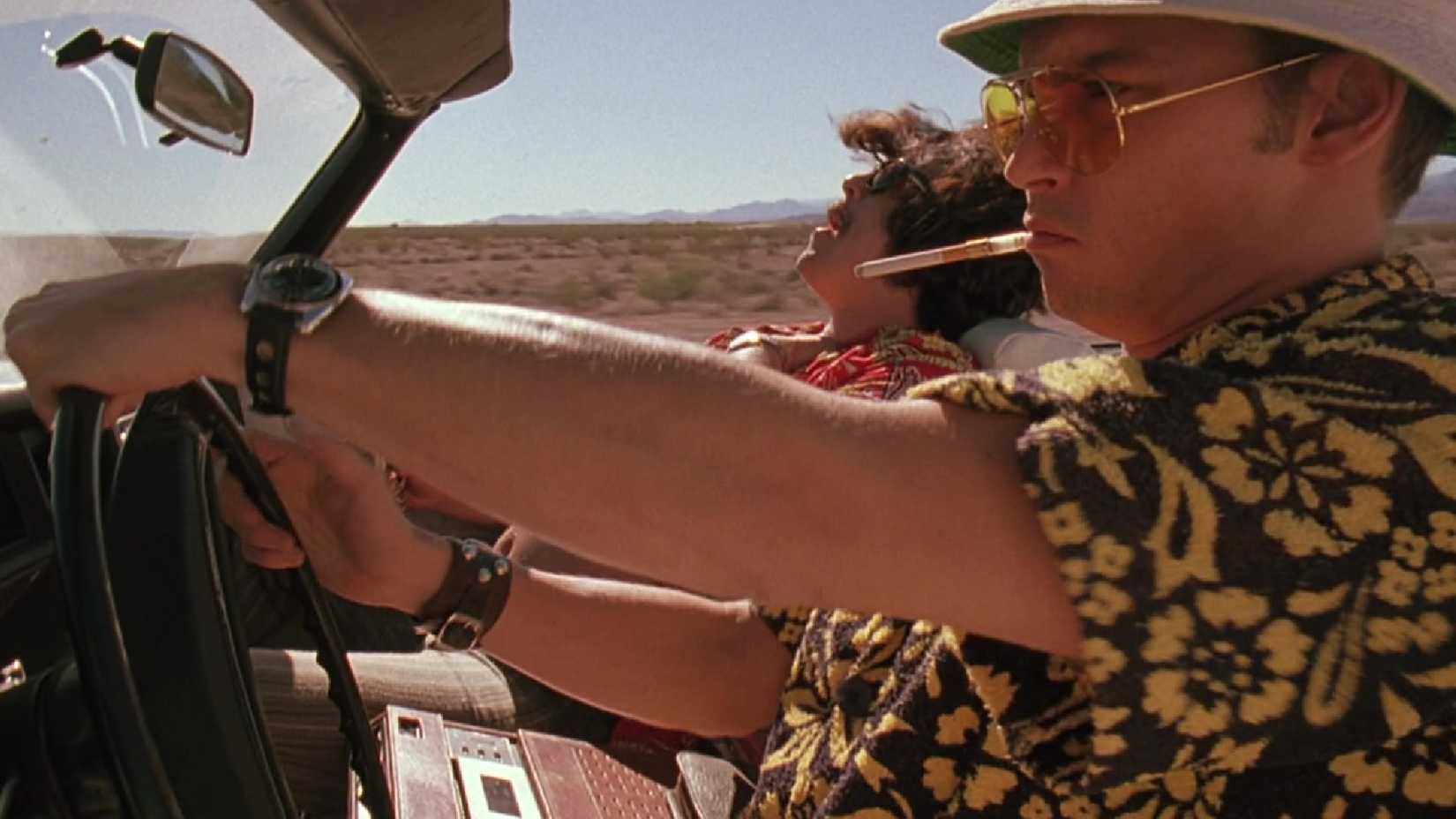
The first time I watched Fear and Loathing in Las Vegas, it took me nearly an hour to realize Raoul Duke was Johnny Depp. That's how completely he disappears into Hunter S. Thompson's speech, posture, and worldview. As a journalist, I found something perversely entertaining about a reporting assignment that becomes the world's least responsible business trip.
Director Terry Gilliam turns Thompson's hallucinatory prose into a barrage of warped perspectives and grotesque Las Vegas excess. Benicio del Toro is magnificent as Dr. Gonzo, Duke's attorney and fellow traveler, whose behavior regularly makes Depp look almost reasonable. The film is funny until it suddenly isn't, exposing the despair beneath the drugs and neon.
Its loose structure divided critics, and some viewers will find the experience unbearable. But where Gilbert Grape moves through restraint, Fear and Loathing earns its higher placement through sheer originality and a remarkable cultural afterlife. Its place in the Criterion Collection confirms how thoroughly this once-dismissed movie has outlasted its early reception.
One Last Gonzo Blast
Depp and Hunter S. Thompson became close friends. When Thompson died in 2005, Depp helped fund his final wish: at a private memorial at Thompson's Colorado home, his ashes were fired into the night sky amid fireworks from a towering, fist-shaped cannon structure. The Associated Press reported on the unforgettable send-off.
3 Donnie Brasco (1997)
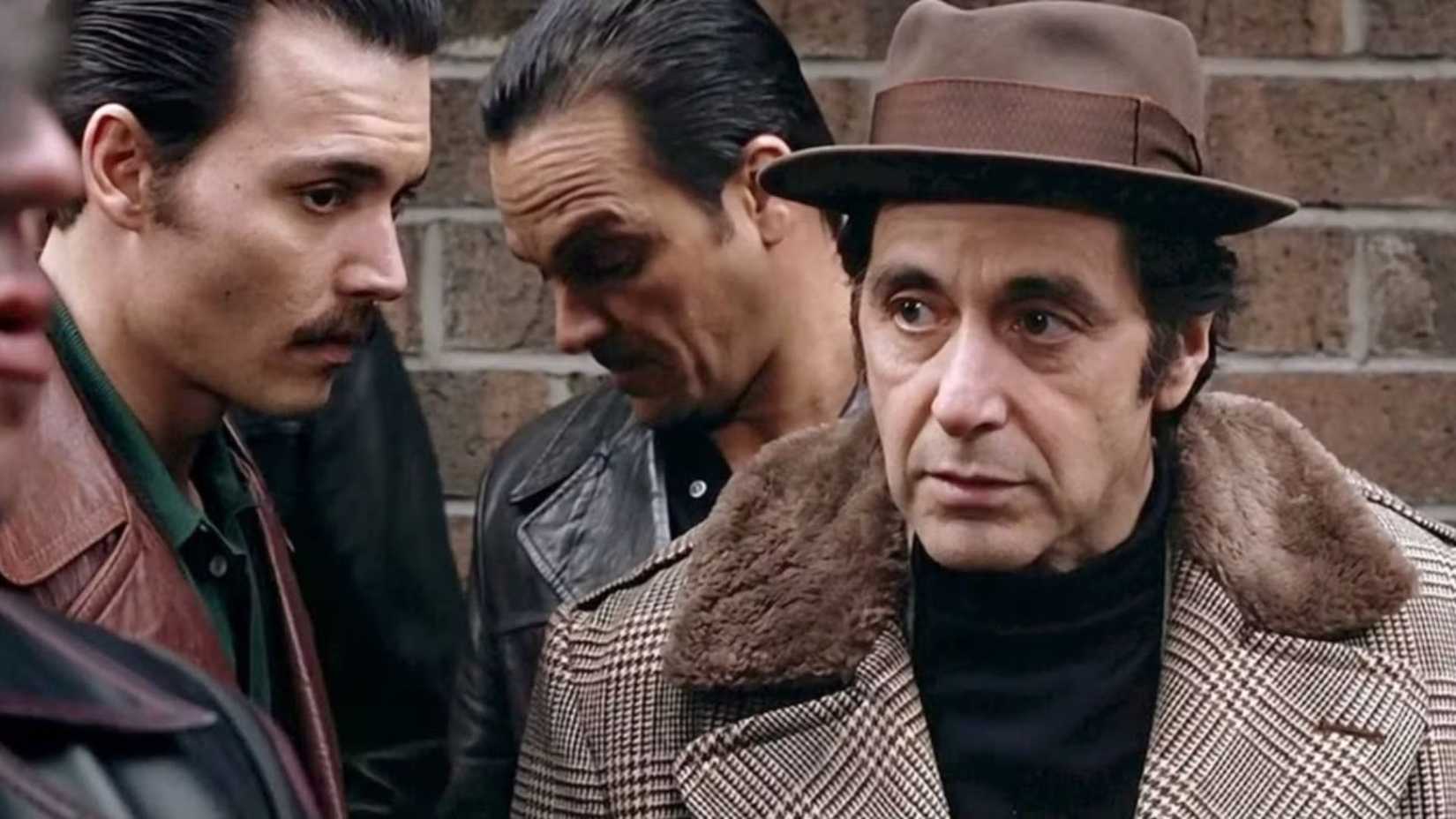
Johnny Depp and Al Pacino make an unlikely pair of heartbreakers in Donnie Brasco. Depp plays Joe Pistone, an FBI agent working undercover inside the New York Mafia, while Pacino is Lefty Ruggiero, the aging gangster who takes him under his wing. Everyone knows Joe is lying. The suspense comes from watching that lie become emotionally unbearable.
Mike Newell gives their relationship room to develop through small gestures and everyday conversations. Lefty is a criminal, but Pacino makes his loneliness painfully recognizable; Depp is equally persuasive as an agent whose loyalty to his job is starting to corrode his sense of himself. Their scenes together are more compelling than any elaborate mob hit.
For readers who love gangster movies in the tradition of Goodfellas, this one offers a less glamorous picture of organized crime. And unlike crime films built around a spectacular plot twist, its tragedy is visible long before the ending. That confidence makes it one of the decade's finest crime dramas.
2 Ed Wood (1994)
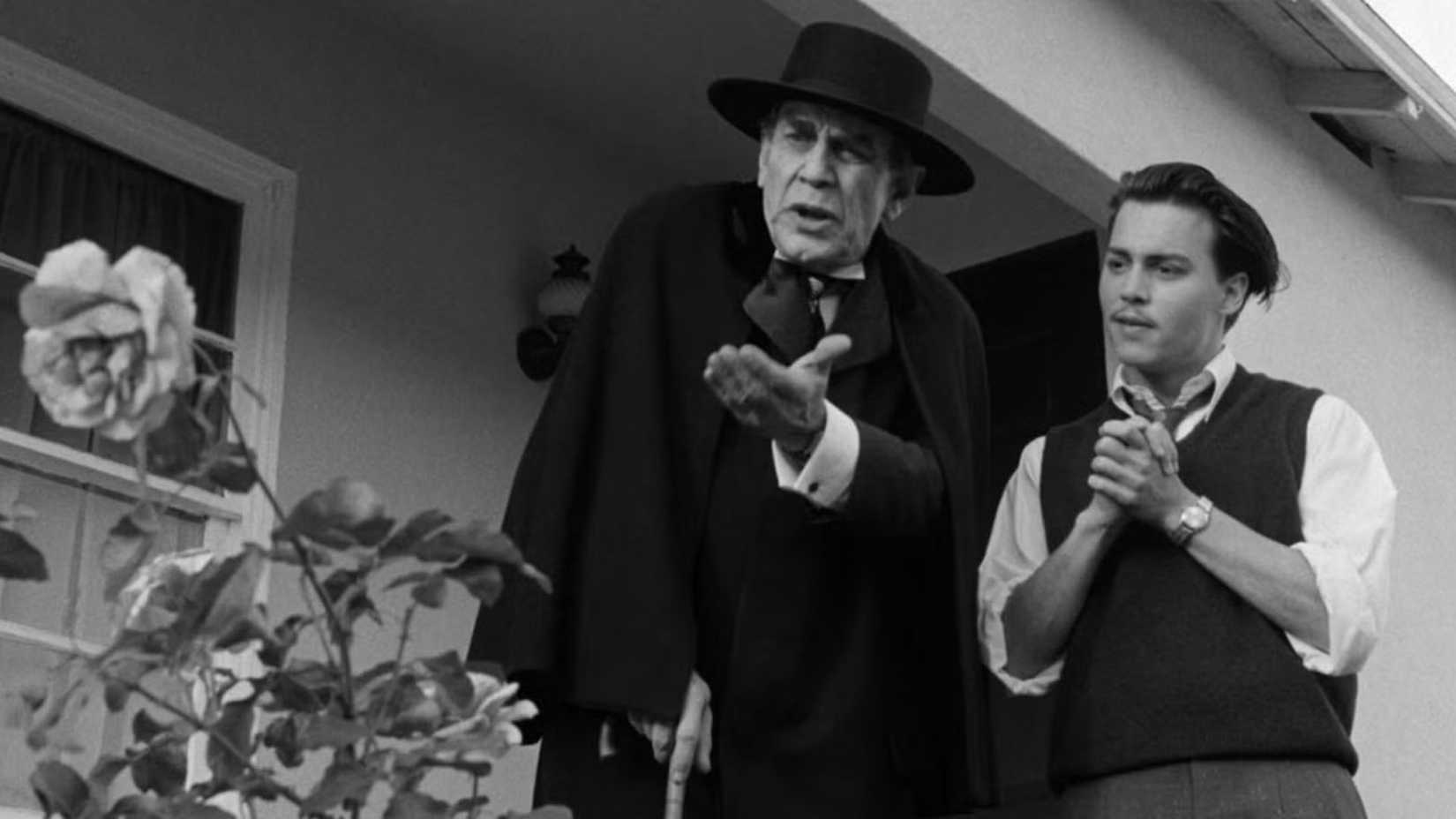
Tim Burton made a film about a famously terrible filmmaker and turned it into one of his most generous works. Depp plays Edward D. Wood Jr., the enthusiastic director behind Plan 9 From Outer Space. Every setback convinces Wood that his next production will establish him as a genius. The irony is obvious, but the affection makes the movie work.
Shot in black and white, Ed Wood looks fondly back at the bargain-basement world of 1950s horror filmmaking. Depp never treats his character as a punchline. His Wood is deluded and occasionally maddening, yet there's something infectious about a man who genuinely believes making a movie is worth every humiliation.
Martin Landau won an Oscar for portraying Bela Lugosi, and the film also won for makeup. Those honors reflect the care behind this portrait of people whose work was dismissed. Ed Wood comes extraordinarily close to the top because its humor has a human heart. Only one '90s Depp movie combines that emotional power with an even greater cultural legacy.
1 Edward Scissorhands (1990)
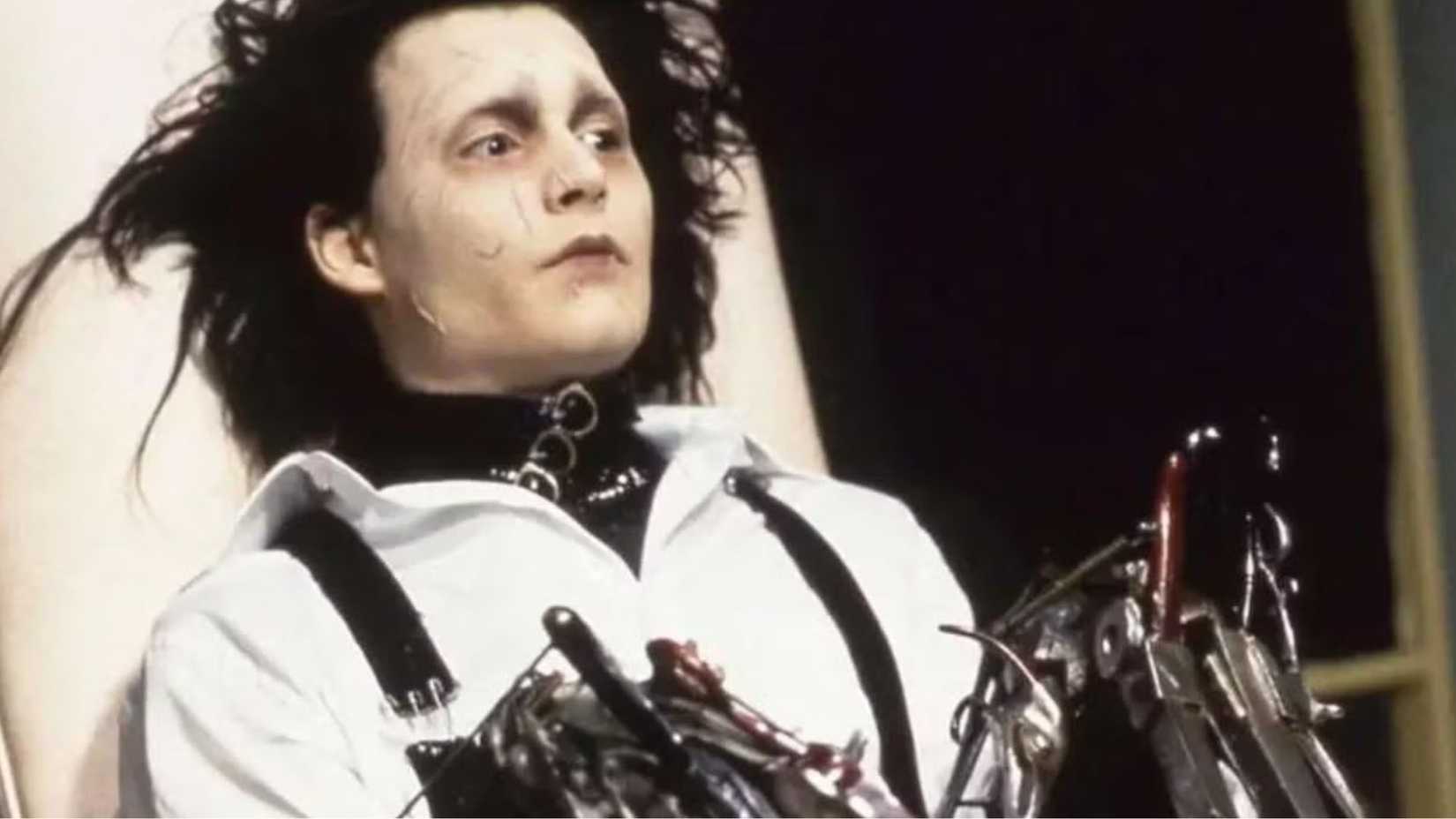
Depp's finest movie of the 1990s arrived at the beginning of the decade. In Edward Scissorhands, Tim Burton casts him as an unfinished artificial man whose gentleness is mismatched with the blades attached to his hands. Taken in by a kindly suburban mother (Dianne Wiest), Edward becomes a neighborhood curiosity before fascination curdles into fear.
Depp has comparatively little dialogue, which makes his performance all the more impressive. A hesitant smile or a frightened glance communicates what entire speeches couldn't. Opposite Winona Ryder, he gives Burton's extravagant fairy tale the emotional simplicity it needs, while Danny Elfman's music makes even a suburban snowfall feel like a moment of genuine wonder.
Few 20th-century fantasy classics make the impossible feel so painfully ordinary. People who celebrate Edward's differences soon decide those differences make him dangerous. Ed Wood offers a showier Depp, and Donnie Brasco a more grounded one. Neither combines originality, emotional impact, and lasting influence quite like Edward Scissorhands. It established the movie star Depp wanted to be before Hollywood decided otherwise.
KioskNews shows a cleaned-up reading view extracted from the publisher’s page — the original always lives on their site, not ours.