The laws behind trick-or-treating – and where in the world you can get in trouble for dressing as a clown
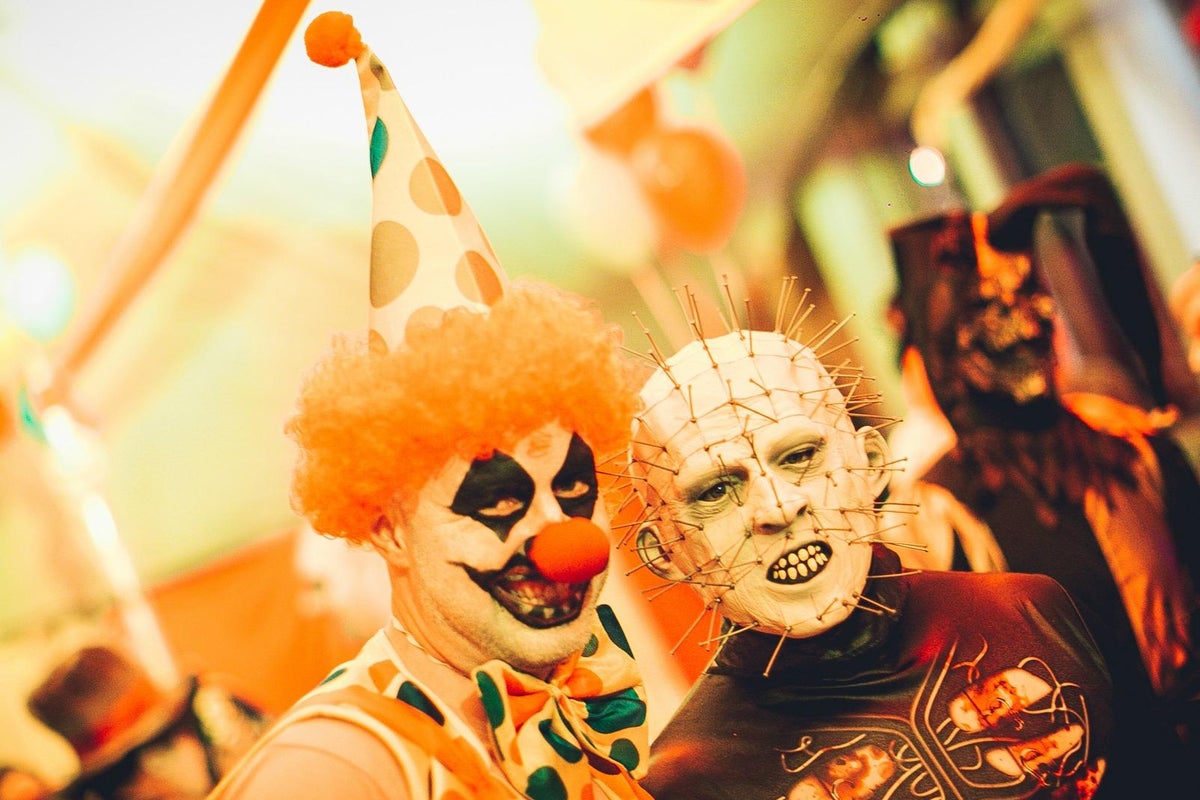
From scary costumes to children roaming the streets at night, Halloween is a festival that can be stress-inducing for some.
Pranks and costumes have left many raising questions about what the laws around it actually are and whether practices like trick-or-treating are even legal in the first place.
Academic Lawyer and Senior Lecturer at Open University Marc Cornock said several countries do, in fact, have specific laws governing trick-or-treating.
Some US states have age restrictions for the activity, meaning people younger or older than a certain age are not allowed to join in, he said.
Some Canadian provinces have curfew times, in parts of France you need special permission to dress as a clown, and in Jordan Halloween is banned outright, he said.
But what are the rules here in the UK, and what can you do to avoid getting into trouble this spooky season?
Is your child safe?
The UK does not have specific laws to govern Halloween, instead relying on general legal principles to keep people in order throughout the festival.
“A general legal principle is that something is permitted so long as it is not prohibited,” Cornock said.
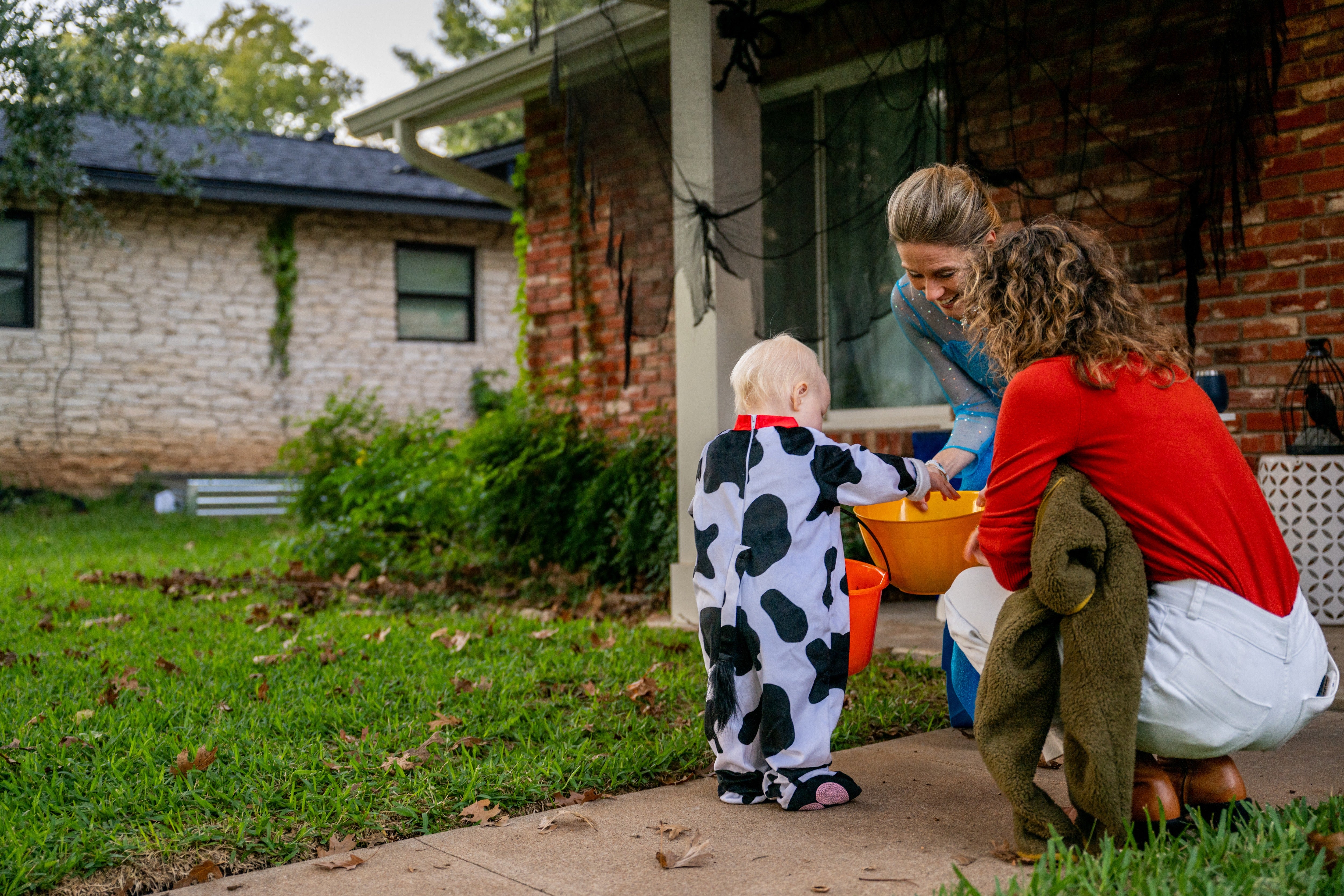
There is no legal age limit to restrict people of certain age groups from trick-or-treating, but parents must ensure that their children are safe participating, and consider whether their child is old enough not to be harmed by the activity, such as by being too frightened by what they see, he added.
Another consideration, also left up to the parents, is whether the child is old enough to go trick-or-treating unsupervised, or whether they may need to go out with a chaperone.
Are there any time restrictions?
There are no legal time restrictions for Halloween activities, and again, it remains at a parent’s discretion when they would like their children to be home.
Typically, younger children are expected to be home earlier than older children, Cornock said.
The rights for people having their door knocked on
While it is not doubt important for trick-or-treaters to have a positive and safe experience, it should also be a positive experience (or at the very least neutral) for those who are having their door knocked on by costumed youths, Cornock explained
It’s important to recognise that not everyone participates in Halloween, and people have a general legal right to enjoy their own home.
Having people knocking on your door calling for a treat or threatening a trick could be considered unwelcome or an intrusion, Cornock said.
How to be sure you are welcome
The next concern is how to be sure that trick-or-treaters visit only those properties where they are welcome.
“Is the onus on those who welcome trick-or-treaters to put up a notice saying this – perhaps a pumpkin could be visibly placed – or is the onus on those who do not want to be disturbed to put up a notice saying that trick-or-treaters are not welcome?” Cornock queried.
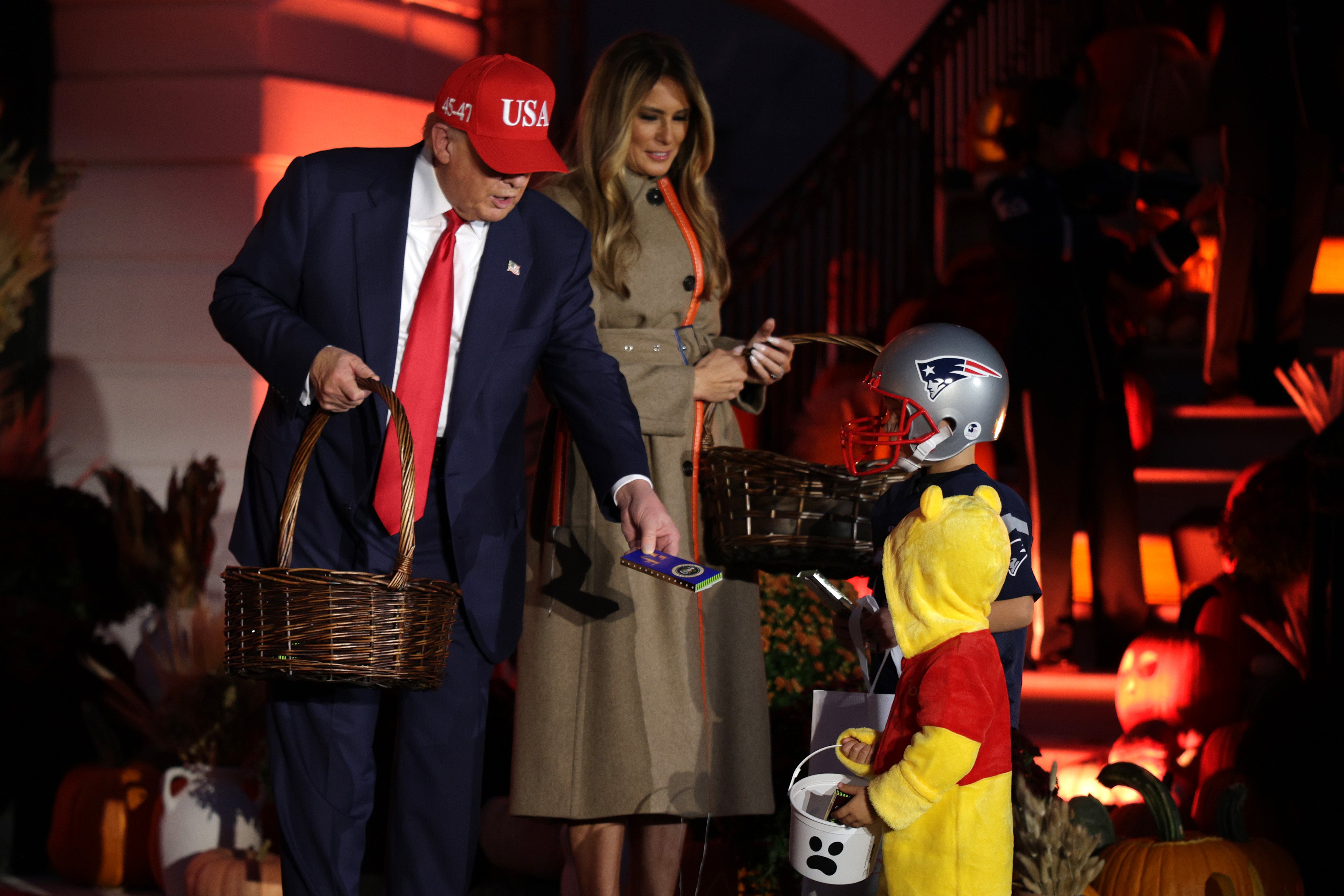
With regard to law, if someone knocks on a door and politely says they are trick-or-treating and then politely leaves if the resident states they do not want to participate, that would be considered reasonable.
But if the trick-or-treaters persist in the exchange and become more intrusive, that may be seen as harassment, depending on how long the interaction goes on.
What about tricks?
Perhaps not as prominent as it once was, the trick element of trick-or-treating is still critical to consider from a legal perspective.
A small, harmless trick played on someone who is in on the joke is more likely to be seen as reasonable, but flour bombing someone’s house or throwing eggs at a party is less reasonable, and could cross the threshold into antisocial behaviour or even criminal damage, Cornock said.
“Most trick-or-treating is a harmless celebration of Halloween, and the police have the power to intervene where trick-or-treating tips over into antisocial acts.
“An interesting point for parents of under-16s who go trick-or-treating is that here, it’s the parents who are responsible for paying any fines, e.g. those imposed for antisocial behaviour.”
KioskNews shows a cleaned-up reading view extracted from the publisher’s page — the original always lives on their site, not ours.