PM Anutin wants water retention areas around Bangkok
New studies ordered to identify ‘monkey cheek’ sites to prevent future floods
PUBLISHED : 7 Oct 2026 at 17:20
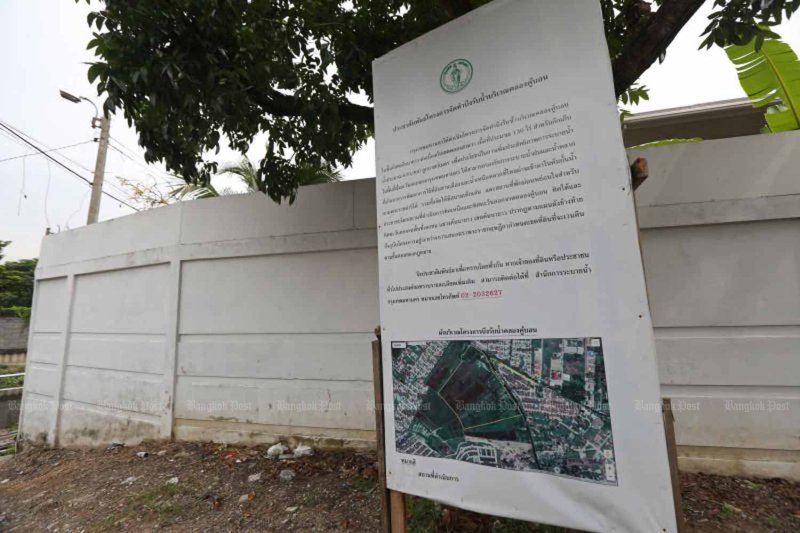
Prime Minister Anutin Charnvirakul has ordered the Department of Public Works and Town & Country Planning to study ways to develop water retention areas around Bangkok in order to prevent future floods.
Mr Anutin, who supervises the department in his capacity as the interior minister, said his decision was inspired by a proposal made by Atavit Suwanpakdee, an MP with the United Thai Nation Party, a coalition partner.
Mr Atavit recently accused Bangkok governor Chadchart Sittipunt of “abandoning” a water retention project in the Bung Khu Bon area proposed by King Rama IX to prevent flooding in northern Bangkok.
A part of the area was reportedly developed into a housing estate. The allegation followed severe flooding in eastern Bangkok which started late last month, with serious impacts still being felt.
Mr Chadchart denied that he had abandoned the royal “monkey-cheek” (kaem ling) flood-management guidance. However, the Bangkok Metropolitan Administration determined the project in question was not cost-effective, with land expropriation and infrastructure development costs alone estimated at 11 billion baht.
Mr Anutin said on Wednesday that monkey cheek areas could support water management to prevent flooding in the rainy season and store water for use during dry conditions.
If the proposal made by Mr Atavit was possible, he said, his government would push for implementation. He said he had also asked the Office of the National Water Resources to help find possible water retention areas.
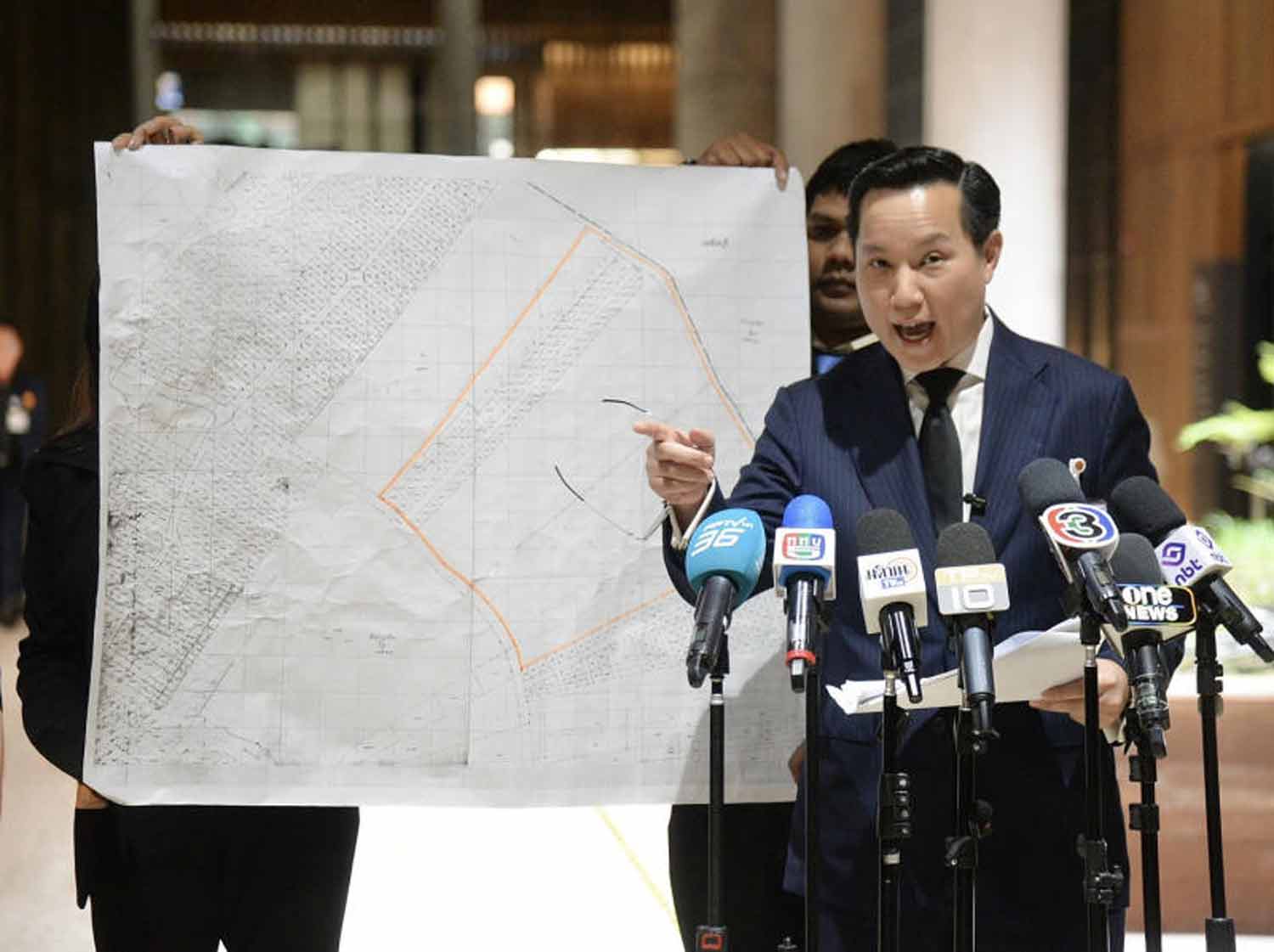
United Thai Nation Party MP Atavit Suwanpakdee, speaking on Oct 1, accuses Bangkok governor Chadchart Sittipunt of “abandoning” a royally initiated project to build a 130-rai retention area designed to hold 870,000 cubic metres of water in Bung Khu Bon. Mr Chadchart has denied he was abandoning the “monkey cheek” water retention concept. (Photo: UTN)
KioskNews shows a cleaned-up reading view extracted from the publisher’s page — the original always lives on their site, not ours.