TH’s losses carried wider cost for businesses, economy, says economist
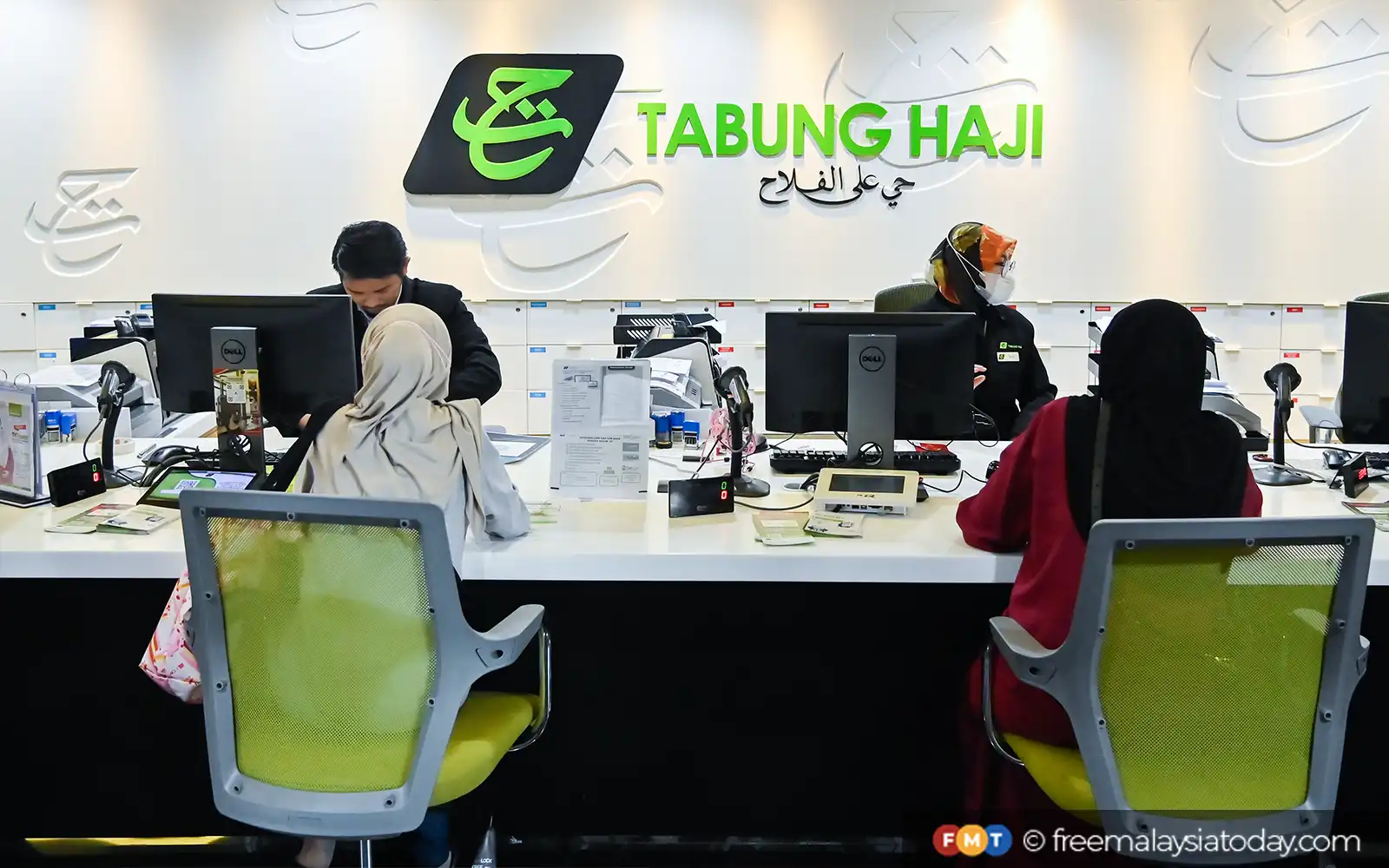
The investment losses suffered by Tabung Haji (TH) do not fully capture the economic damage inflicted on local businesses, including fewer projects, weaker supply chains and missed growth opportunities, says an economist.

Harridon Suffian of Universiti Kuala Lumpur Business School said TH’s financial difficulties were bound to have affected the revenues and profit margins of firms within its business ecosystem.
He said the pilgrim fund’s reduced spending and investment would have translated into fewer projects and orders for its partners, suppliers, subcontractors and small and medium enterprises (SMEs), many of which were Malay-owned.
“These local firms would have had their growth stunted and missed out on various opportunities for expansion, limiting their ability to contribute more significantly to the nation’s economic development,” he told FMT.
Harridon was commenting on the findings of the royal commission of inquiry (RCI) into TH’s management and operations between 2014 and 2020, which highlighted investment irregularities and weaknesses in the fund’s financial reporting and governance.
Among the matters highlighted in the report was the auditor-general’s observation that a RM164.58 million impairment in the value of Tabung Haji’s investment in TH Heavy Engineering (THHE) had not been recognised in its 2017 financial statements.
Other findings pointed to financial pressures on business operations, with TH Plantations selling estates to repay debt and cutting spending on its operations, contributing to lower palm oil production.
The report also recorded measures taken to address several other issues, including approval for the disposal of investment vehicle Trurich Resources Sdn Bhd’s subsidiaries and efforts to recover funds linked to the Putrajaya Perdana investment.
Harridon said fewer orders weakened suppliers’ revenues and profit margins, while reduced purchasing power made it harder for subcontractors to expand.
Smaller tax contributions from those firms also affected government revenue, he added.
Harridon said that within TH, resources needed to address past losses had displaced capital spending that could otherwise have supported new investments and future earnings.
Continued growth depended on having sufficient capital to invest, he said, noting that the financial strain had restricted that capacity.
Taxpayer-funded rescues carried another cost because the money could otherwise have supported other economic projects, he added.
Scrutiny must go beyond recovery
Ahmad Zaharuddin Sani Ahmad Sabri of Global Asia Consulting said financial recovery should not end scrutiny of how investments were approved or their consequences for others.

The effects on suppliers, partners, contractors and workers need to be established through verified claims, payment records and other data, he said.
The RCI had recommended forensic audits of problematic investments and called for firm action on police reports and complaints concerning wrongdoing.
Zaharuddin said a distinction must be drawn between ordinary investment risk and governance failures, stressing that losses alone did not constitute a crime.
Those who prepared, scrutinised and approved investment decisions should explain their actions, rather than allowing responsibility to become blurred between management, boards and approving authorities, he said.
He called for independent investigations and regular parliamentary updates on forensic audits, civil actions and recovery efforts.
“Do not let financial recovery end questions of accountability,” he said.
Subscribe to our newsletter and get news delivered to your mailbox.
KioskNews shows a cleaned-up reading view extracted from the publisher’s page — the original always lives on their site, not ours.